
24/7 Customer Support

Free returns

Same-day & Next-day Delivery

Quality Guaranteed

Unlock Your Welcome Offers: FREE Delivery | Up to 80% OFF | Free 30-day JoyPlus trial
Download the APP
Sunflower oil is a familiar cupboard staple, but choosing the right product is not always straightforward. A low shelf price may hide a small bottle, while a large container can be awkward to store and wasteful for occasional cooks. Tinned tuna, sardines and mackerel in sunflower oil create a second decision: should you prioritise drained weight, portion size, ingredients or convenience?
This guide cuts through common packaging claims and focuses on the details that matter for UK households.
A sunflower oil 1 litre bottle may appear cheaper than a sunflower oil 2 litre or 3 litre pack, but the cost per litre can tell a different story. Larger packs can suit families and frequent frying, while smaller bottles may reduce waste for households that mainly use oil for baking, dressings or occasional shallow frying.
Check the price per litre, not just the headline price. Also consider whether you have a cool, dry cupboard with enough space to store a larger bottle upright.
Cooking sunflower oil is commonly labelled as suitable for frying, roasting, baking, marinades and dressings. These uses can be practical, but the label does not tell you how the bottle will fit your routine. Look for clear usage instructions and storage advice, particularly if you plan to use a sunflower oil 5 litre container for regular high-volume cooking.
Oil should be stored away from direct sunlight and heat, with the cap secured after use. Never return hot oil to a plastic bottle; allow it to cool according to the product instructions.
A tin marked 125g or 145g does not necessarily contain that much fish after the oil is drained. For tuna in sunflower oil, sardines in sunflower oil and mackerel in sunflower oil, compare the drained weight, serving size and ingredient order.
“No drain” packaging can be convenient, but it may contain more oil in the finished product. This is useful for sandwiches or pasta when you want moisture, but less suitable if you prefer to control the amount of oil added to a meal.
For plain cooking oil, a short ingredient list such as 100% refined sunflower oil is easy to understand. Check the bottle for allergen information and any storage restrictions.
For tinned fish, fish should be clearly identified in the ingredients list, and the product should carry the relevant fish allergen declaration. Some products may also include salt, chilli or other flavourings. If you are buying organic sunflower oil, look for the applicable organic certification details on the packaging rather than relying only on front-of-pack wording.
Cooking oils are energy-dense, so compare the nutrition panel using the same reference amount. Sunflower oil products supplied here list around 828–900 kcal per 100ml, with no carbohydrate, protein or salt. Differences in fat and saturates can vary by product, so read the individual label.
For tinned fish, nutrition is often shown per 100g drained product. For example, the listed Fish4ever mackerel provides 25g of protein per 100g, while several tuna products provide approximately 23.5–27g per 100g. These are product-specific values, not universal figures.
Choose the container around your consumption pattern:
Once a tin of fish is opened, transfer leftovers to a suitable sealed container, refrigerate and consume within the period stated on the label. Several products specify two days, while some list 24 or 48 hours. Always follow the product packaging.
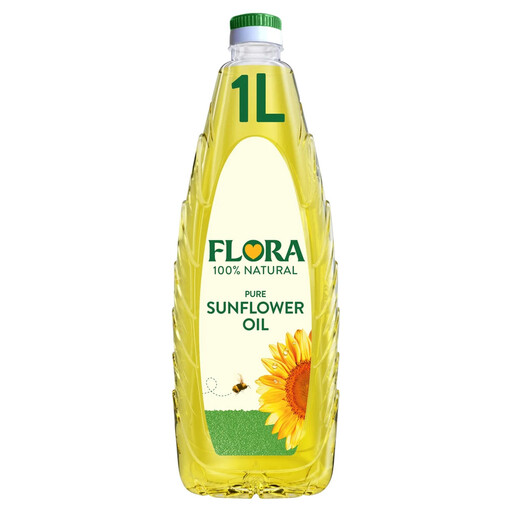
Why This Fits Their Persona: A 1 litre bottle is manageable for students, couples and smaller UK households that want one general-purpose oil without storing a bulk container.
The clearly stated 1 litre quantity makes it easier to compare cost per litre and avoid buying more oil than your household uses.
The label lists sunflower oil as the ingredient and identifies use for dressings, marinades, stir-frying and shallow or deep frying.
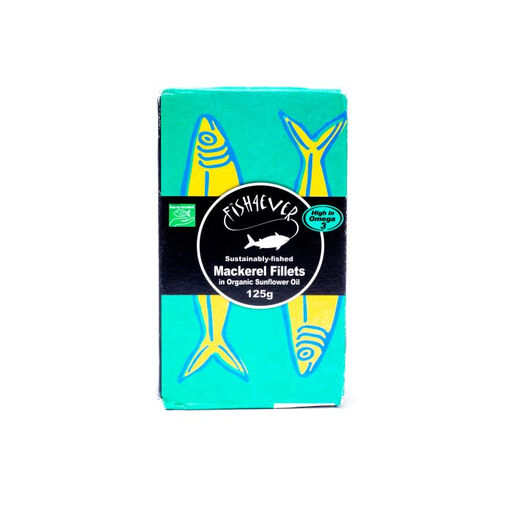
Why This Fits Their Persona: Suitable for shoppers looking for an organic fish option with a short, clearly presented ingredient list for salads, pasta, rice or toast.
The ingredients specify mackerel fillet, organic sunflower oil and salt, while the stated 125g net quantity prevents vague portion comparisons.
The product contains 68% mackerel fillet and lists 25g protein per 100g, with fish clearly identified as an allergen.
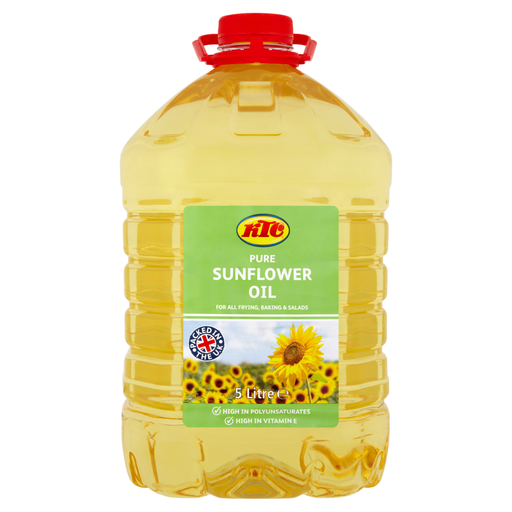
Why This Fits Their Persona: The 5 litre format is designed around frequent cooking, batch preparation and larger family households that can use the oil before quality declines.
The 5 litre volume is explicit, helping heavy users compare bulk value while recognising that storage space and safe handling are essential.
It lists 100% refined sunflower oil and gives instructions for frying, baking, roasting and sautéing, alongside cool, dark storage guidance.

Why This Fits Their Persona: A four-pack offers ready-to-store portions for packed lunches, jacket potatoes, sandwiches, salads and quick family meals.
The multipack quantity is clear, and the label states refrigeration after opening with consumption within two days.
Each pack contains four 125g tins; the ingredients are tuna, sunflower oil and salt, with 25g protein per 100g drained weight listed.
We have compiled a complete, real-time list of products that fully satisfy these strict selection criteria and UK safety regulations.
A neutral-tasting oil can support everyday cooking without dominating other ingredients. Use it for shallow frying, roasting vegetables, baking, stir-frying or a simple dressing. For tinned fish, drain according to preference and add tuna to pasta or sandwiches, sardines to toast or stews, and mackerel to couscous, rice or salads.
Keep oil and unopened tins in a cool, dry place, away from direct sunlight and heat. Do not buy cans that are bulging, leaking or badly damaged. Fish may contain small bones, so check the packaging and take care when serving.
Product labels commonly list sunflower oil for frying, roasting, baking, sautéing and dressings. Use the bottle according to its instructions, avoid overheating and never leave hot oil unattended. The appropriate quantity depends on the recipe and your household’s dietary needs.
Shelf life varies by product and packaging. Store it tightly closed in a cool, dark cupboard and follow the best-before information on the bottle. If the oil develops an unusual smell, taste or appearance, do not use it.
It may offer a lower cost per litre, but this depends on the current price. Divide the total price by the number of litres before buying. A larger pack is only economical if you have suitable storage and can use it while it remains in good condition.