
24/7 Customer Support

Free returns

Same-day & Next-day Delivery

Quality Guaranteed

Unlock Your Welcome Offers: FREE Delivery | Up to 80% OFF | Free 30-day JoyPlus trial
Download the APP
Choosing sunglasses and sports eyewear is not simply a matter of picking a frame colour. Cycling, skiing, swimming, motocross, driving and caring for young children all create different demands. A pair that feels comfortable on a short walk may slip during a ride, fog on a ski slope or offer little protection from side glare.
This guide explains the specifications worth checking, common shopping traps and a selection of products suited to distinct UK lifestyles.
A dark tint can make bright conditions feel more comfortable, but tint alone does not confirm ultraviolet protection. Look for clearly stated specifications such as UV400, which indicates coverage against ultraviolet wavelengths up to 400 nanometres. For children, fit and coverage matter too: gaps around the sides can allow additional light to enter.
Anti-fog coatings can become less effective if the inner lens is rubbed, cleaned with unsuitable chemicals or stored without protection. Ski goggles and swim goggles require careful maintenance. Rinsing swimming goggles with fresh water and allowing them to air dry is preferable to wiping the inner lens, while ski goggles should be cleaned with a soft tissue or suitable microfibre cloth.
Road cycling, skiing and dirt biking require different coverage, ventilation and retention systems. Similarly, polarised sports sunglasses can reduce reflected glare from roads and water, but they may not suit every digital display or low-light condition. Smart glasses also involve battery charging, app compatibility and privacy considerations that ordinary sunglasses do not.
For everyday outdoor use, prioritise a clearly listed UV rating rather than relying on colour or branding. UV400 sunglasses are specified to block UVA and UVB wavelengths within the stated range. Polycarbonate lenses are commonly used in sports eyewear because they are lightweight and impact resistant, although no lens should be treated as unbreakable.
For swimming, check whether the goggles combine UV protection, anti-fog treatment and a waterproof seal. A soft silicone gasket can improve comfort and help create a reliable seal around the eyes.
A secure fit is essential when eyewear is used during movement. Cycling glasses may use rubber nose pads and non-slip temple sections, while children’s sunglasses may use an adjustable strap. Ski goggles should work with the wearer’s helmet and provide sufficient face coverage without creating pressure points.
Those who wear prescription glasses should look for prescription-compatible eyewear or an OTG, meaning over-the-glasses, design. Check the frame dimensions before ordering, particularly if the wearer has larger frames.
Visible light transmission, or VLT, describes how much visible light passes through a lens. Lower VLT lenses are generally intended for brighter conditions, while higher VLT lenses allow more light through. For example, ski goggles with a VLT of 10–15% are designed for bright conditions, whereas a clear replacement lens can be more suitable in low light.
For cycling, a lens with glare reduction may be useful on bright roads, but riders should also consider visibility in shade, tunnels and changing weather. Ventilation and lens coatings can be more useful than a heavily tinted lens when conditions vary.

Why This Fits Their Persona: A practical option for casual riders, weekend cyclists and commuters seeking one pair for road cycling and general outdoor use in the UK.
The listed one-piece PC lens, UV400 specification and rubber anti-slip sections provide more useful information than tint or appearance alone.
Approx. 30 g TR90 frame, aerodynamic shape, PC lens and UV400 protection.
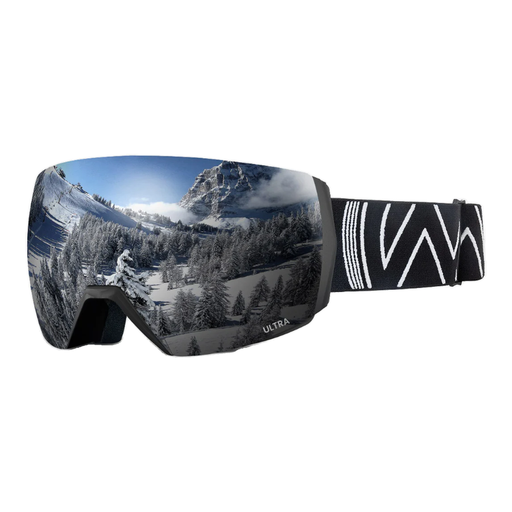
Why This Fits Their Persona: Suitable for skiers and snowboarders who want lens flexibility for bright slopes and changing mountain visibility.
The bundle includes a VLT 10% lens and a clear replacement lens, helping avoid relying on one tint for every weather condition.
Magnetic lens-change system, OTG compatibility, toric lens design and protective case included.
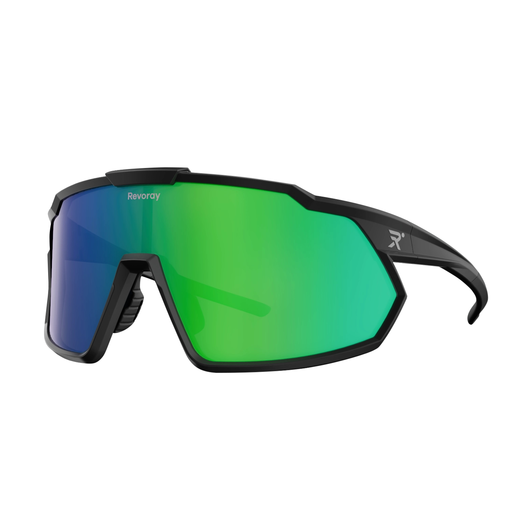
Why This Fits Their Persona: A considered choice for regular road cyclists and outdoor users who frequently encounter glare from wet roads, water or metal surfaces.
The specification gives a VLT of approximately 15.2%, so buyers can judge whether the lens suits bright conditions rather than guessing from the colour.
33 g TR90 frame, TAC polarised lenses, UV400 protection and ANSI Z87.1 performance certification.
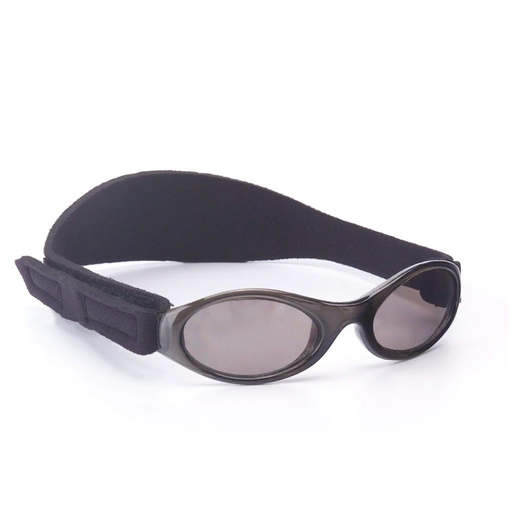
Why This Fits Their Persona: Designed for babies and toddlers on sunny walks, holidays and outdoor family trips where conventional arms may not stay in place.
The wrap-around frame and adjustable neoprene strap address loose fit and side-light gaps. Adult supervision remains necessary.
Polycarbonate lenses, stated UVA and UVB protection, flexible frame and hook-and-loop strap.
We have compiled a complete, real-time list of products that fully satisfy these strict selection criteria and UK safety regulations.
UV400 indicates the stated ultraviolet protection range, but driving suitability also depends on lens darkness, visibility and local road conditions. Avoid lenses that make it difficult to see signs, hazards or changing light. Polarised lenses may reduce reflected glare, although some vehicle and digital displays can appear altered depending on viewing angle.
There is no universal replacement interval. Replace eyewear when lenses are scratched, coatings are damaged, straps lose elasticity, seals no longer fit or frames become distorted. Frequent users should check equipment before each outing, particularly after a fall or impact. Proper storage in a case and cleaning according to the instructions can help preserve coatings and fit.