
24/7 Customer Support

Free returns

Same-day & Next-day Delivery

Quality Guaranteed

Unlock Your Welcome Offers: FREE Delivery | Up to 80% OFF | Free 30-day JoyPlus trial
Download the APP
Choosing sunscreen SPF 50 is not simply a matter of picking the highest number on the bottle. UK shoppers also need to consider UVA coverage, skin type, water resistance, application amount and whether the format will be comfortable enough for regular use.
A product that feels greasy may be left at home, while a mineral formula that leaves a visible cast may discourage proper application. The right choice is the one that suits your routine and encourages consistent, generous use.
SPF mainly indicates protection against UVB, the rays associated with sunburn. It does not, on its own, describe UVA protection. When shopping in the UK, look for the UVA circle logo, a clearly stated UVA rating or another indication of broad-spectrum UVA and UVB protection.
A label such as SPF 50+ is useful, but it does not mean that one application lasts all day. Sweating, swimming, towelling and rubbing against clothing can reduce the protective layer.
Water-resistant sunscreen can be practical for swimming or outdoor exercise, but no sunscreen should be treated as permanently waterproof. Reapplication is still needed after swimming, perspiring or towel drying. For everyday commuting, a face sunscreen does not necessarily need the same water resistance as a body lotion intended for the beach.
Applying a thin layer may make a sunscreen feel more comfortable, but it also reduces the protection indicated on the packaging. For the face, neck and ears, many users find the two-finger method a practical measuring guide. For the body, apply generously and cover all exposed areas before going outdoors.
Tinted sunscreen presents an additional pitfall: its colour coverage should not replace the recommended amount of sun protection. A sheer tint may look natural, but applying too little can compromise the stated SPF.
For strong daily protection, compare SPF 50 or SPF 50+ sun cream with a visible UVA rating. SPF 30 can be suitable for some lower-exposure routines, but people spending extended time outdoors may prefer SPF 50 for a greater margin against UVB exposure.
PA ratings, often seen on Korean sunscreen products, indicate UVA protection using a different labelling system. They are useful for comparison, but UK shoppers should also check the product packaging for information relevant to the UK market.
A mineral sunscreen commonly uses zinc oxide or titanium dioxide. Axis-Y Complete No-Stress Physical Sunscreen, for example, lists zinc oxide as its sunscreen filter and includes mugwort, centella, glycerin, squalane and hyaluronic acid in its formula.
Chemical or hybrid formulas use organic UV filters and often have a thinner, transparent finish. Some formulas may include fragrance or alcohol, so check the ingredient list if you have reactive or easily irritated skin. A patch test is sensible when trying any new sunscreen for sensitive skin.
Remember that a sun stick can be convenient for top-ups, but applying enough product evenly may be more difficult than using a lotion initially.
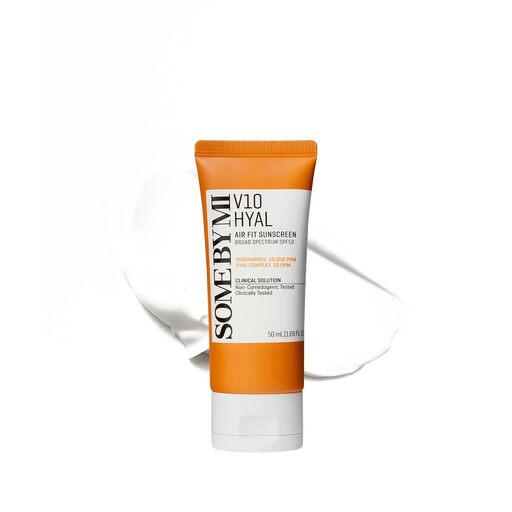
Why This Fits Their Persona: A compact Korean sunscreen for shoppers wanting one lightweight product for weekday commutes and everyday facial use.
Its listed lightweight, non-greasy texture is designed to avoid the heavy feel that can lead to skipped applications. Check the fragrance listing if your skin is sensitive.
SPF50 protection, hyaluronic acid and centella are listed in the product description; the 50ml size suits face and neck use.
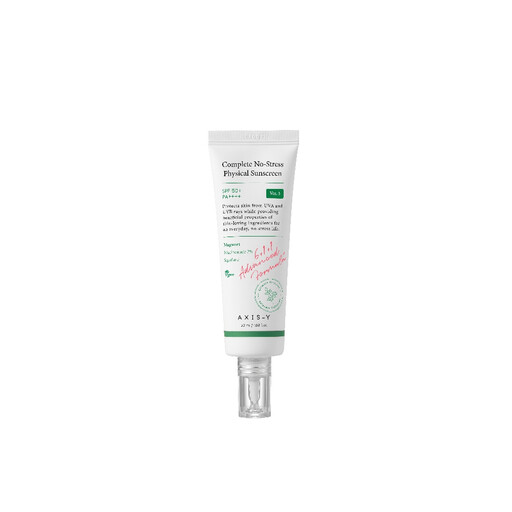
Why This Fits Their Persona: A face-focused mineral option for shoppers prioritising a fragrance-free, make-up-compatible formula for regular urban wear.
The product description specifies a non-chalky texture and fragrance-free formula, addressing common concerns about white residue and added scent.
Zinc oxide, SPF50 and PA++++ are listed; the 50ml formula also contains niacinamide, squalane and sodium hyaluronate.
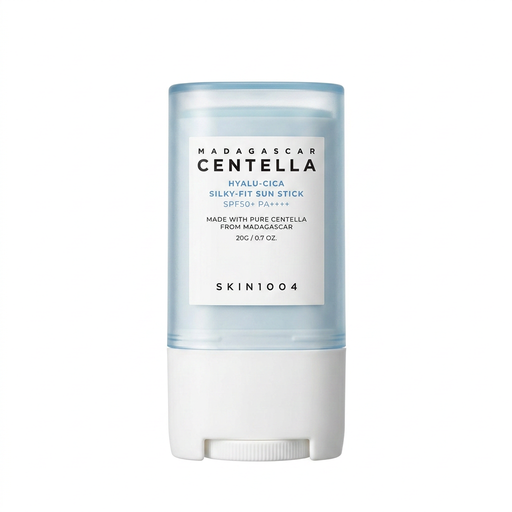
Why This Fits Their Persona: A portable choice for outdoor walkers, cyclists and commuters who need convenient facial top-ups over or around make-up.
The stick format addresses messy reapplication, while its product information specifies sweat resistance. It should still be reapplied after swimming or towel drying.
SPF50+ PA++++, a silky-matte finish and silica for shine control are listed; the compact 20g format is easy to carry.
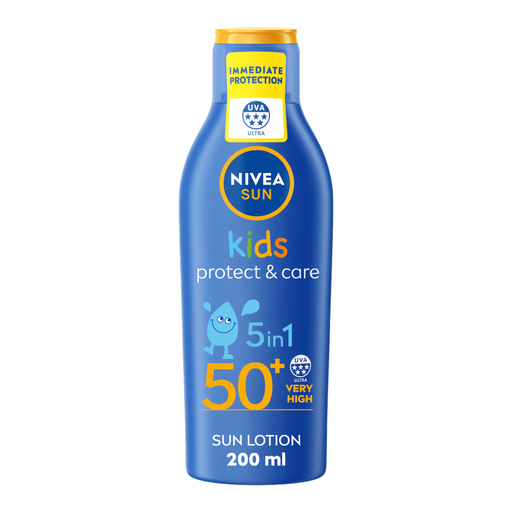
Why This Fits Their Persona: A larger sun protection lotion for families covering children during parks, holidays and active outdoor play.
Its listed extra water-resistant formula suits active use, but the directions still require frequent reapplication after swimming, perspiring or towelling.
The 200ml bottle is intended for children aged three and above and lists SPF50+ UVA/UVB protection plus panthenol and vitamin E.
We have compiled a complete, real-time list of products that fully satisfy these strict selection criteria and UK safety regulations.
Apply sunscreen as the final step of your morning skincare routine, before make-up. Allow skincare layers to settle if pilling occurs, and reapply during prolonged outdoor exposure. Keep bottles away from excessive heat and direct sunlight, and check the packaging for batch, shelf-life and storage information.
Sunscreen is one part of sun protection. Shade, hats, sunglasses and covering clothing remain important, especially between the strongest daylight hours. Keep babies and young children out of direct sunlight, and follow the age guidance on the product.
Yes, SPF 50 can be used as a daily facial sunscreen or body product. Choose a texture you will apply generously and reapply when exposed to strong sunlight, sweating or water. Also check the UVA indication rather than relying on the SPF number alone.
Reapply at least every two hours during extended outdoor exposure, and sooner after swimming, sweating or towelling. No rating guarantees all-day protection from one application.
Children should use a product whose label gives suitable age guidance. For example, the Nivea Sun Kids product listed above is specified for children aged three and above. Babies and young children should be kept out of direct sunlight, with clothing and shade used alongside sunscreen.