
24/7 全天候客户支持

免费退货

当日/次日达

品质保障

开启新人专享福利: 全场免邮 | 低至 2 折 | 免费试用 30 天 JoyPlus 会员
下载 Joybuy
Choosing a sunscreen SPF 50 product can appear straightforward, but packaging claims and formula differences make comparison less simple. A high protection rating does not automatically mean a product will suit your face, survive a day at the beach or feel comfortable under make-up.
The most useful approach is to assess the protection label, application experience and intended use before buying. This guide explains the practical checks that matter for UK shoppers, followed by our top recommendations for different needs.
SPF mainly indicates protection against UVB, the rays closely associated with sunburn. It does not, by itself, explain protection against UVA, which contributes to long-term skin damage and pigmentation.
For everyday use, look for a clear UVA symbol in a circle, a four- or five-star UVA rating, or wording that confirms UVA and UVB protection. A product labelled SPF 50 but without clearly stated UVA protection may not offer the broad coverage you expect.
Water-resistant sunscreen is designed to retain some protection during swimming or sweating, but no sunscreen remains fully effective indefinitely in water. Towelling can also remove the protective film.
Reapplication is needed after swimming, heavy perspiration or towelling, and regularly during extended outdoor exposure. For children and active adults, a water-resistant sunscreen can be more practical, but it still requires careful application.
A body sunscreen may provide the required protection yet feel heavy, greasy or uncomfortable on the face. Facial products often use lighter fluids, tinted pigments or finishes designed to sit beneath make-up.
Likewise, “invisible”, “glow” and “mineral” are descriptions of texture or formulation, not guarantees that a product will suit oily, sensitive or acne-prone skin. Always check the ingredient list and consider fragrance, alcohol, oils and potential irritants if your skin is easily reactive.
SPF 30 and SPF 50 both provide high protection when applied generously and evenly. SPF 30 filters approximately 96.7% of UVB, while SPF 50 filters approximately 98%. The difference is modest on paper, but SPF 50 provides a useful extra margin when application is uneven, exposure is prolonged or skin burns easily.
SPF 30 sunscreen may be suitable for routine, lower-exposure days when enough product is applied and reapplied. SPF 50 is a practical choice for holidays, outdoor work, sport, strong sunlight and children. Neither rating allows unlimited time in the sun.
Check the front and back of the packaging for both forms of protection. The UVA circle is particularly useful when comparing products in the UK. Broad-spectrum wording can also indicate coverage across UVA and UVB, but the packaging should still provide a recognisable UVA indication.
Apply generously to all exposed areas. For the face and neck, a commonly used guide is approximately two finger-lengths of product. For the body, you need considerably more than a thin layer.
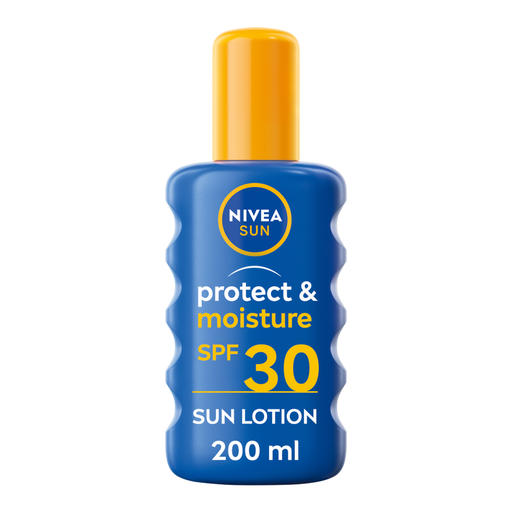
Why This Fits Their Persona: A 200ml body lotion suits shoppers building an everyday sun-care routine for commutes, garden use and family outings without choosing a face-sized bottle for full-body application.
The SPF30 rating is clearly stated, while water resistance and reapplication guidance help avoid treating one morning application as all-day protection.
200ml pump-spray format; water-resistant formula with vitamin E; bottle made with 95% recycled material, excluding cap and pump.
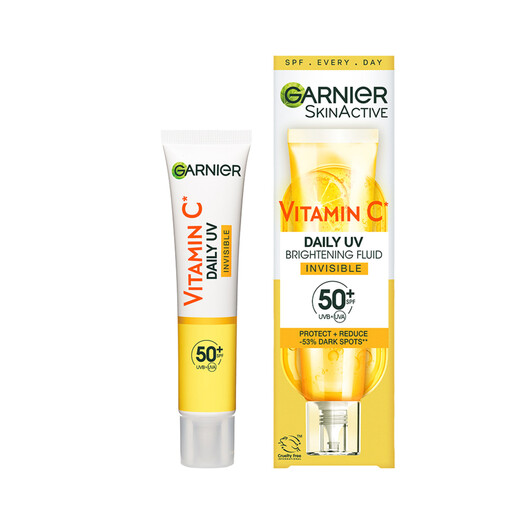
Why This Fits Their Persona: Designed for morning facial use, this lightweight fluid suits shoppers who want sunscreen to work with moisturiser and make-up rather than feel like a traditional body lotion.
The SPF50+ and UVA, UVB and long-UVA coverage are specified, helping shoppers look beyond a vague “glow” or brightening message.
40ml facial fluid; sheer finish with mineral pigments; described as non-greasy and non-sticky with no visible white traces.
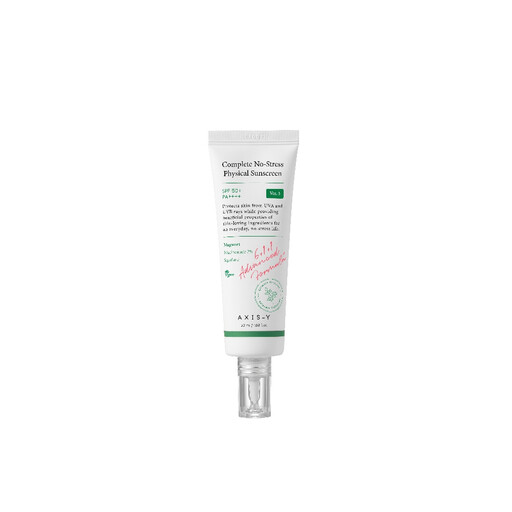
Why This Fits Their Persona: This mineral face sunscreen is positioned for shoppers seeking a zinc oxide formula, fragrance-free composition and a finish intended to layer under make-up.
The product information identifies zinc oxide and SPF50 PA++++, rather than relying only on general “gentle” wording. Patch testing is still sensible for reactive skin.
Zinc oxide mineral filter; fragrance-free formula; 50ml essence-gel texture with a non-chalky finish according to the product description.
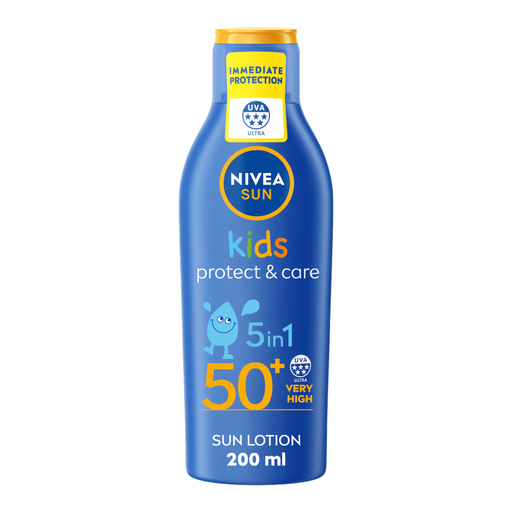
Why This Fits Their Persona: A larger children’s lotion is convenient for school trips, holidays and active outdoor play, particularly where swimming and perspiration are likely.
It specifies SPF50+, UVA and UVB protection, extra water resistance and suitability for children aged three and over. Reapplication remains necessary.
200ml lotion; extra water-resistant formula; paediatrician and dermatologist-approved skin compatibility is stated in the product information.
We have compiled a complete, real-time list of products that fully satisfy these strict selection criteria and UK safety regulations.
SPF 50 offers slightly higher UVB protection and can provide an additional margin when application is imperfect or exposure is intense. It is particularly practical for holidays, outdoor work, sport and children. SPF 30 can still be suitable for everyday use when applied generously and reapplied correctly.
Use enough to cover the face, ears and neck evenly. A two-finger-length guide is commonly used for these areas, although the correct amount depends on the product texture and packaging instructions. Using a thin layer to reduce shine can significantly lower the labelled protection.
There is no single lifespan that applies to every product. Follow the open-jar symbol, expiry date and manufacturer’s storage guidance. Heat, direct sunlight and contamination can affect a formula, so store it in a cool place and replace it when the packaging indicates. A product that has changed colour, smell or texture should not be used.