
24/7 Customer Support

Free returns

Same-day & Next-day Delivery

Quality Guaranteed

Unlock Your Welcome Offers: FREE Delivery | Up to 80% OFF | Free 30-day JoyPlus trial
Download the APP
Choosing sunscreen SPF 50 is not simply a matter of picking the highest number on the shelf. The right formula must suit where and how you use it, whether that means commuting in Manchester, spending a day at the coast or applying protection to children before outdoor play.
Marketing language can also make comparison difficult. A lightweight mist may be convenient but easy to apply unevenly, while a facial sunscreen SPF 50 may feel comfortable under make-up but offer too little product for body use. Use the following guide to avoid common buying mistakes and select an SPF sun cream that fits your routine.
SPF mainly indicates protection against UVB, the rays associated with sunburn. You should also look for clear UVA protection, such as the UVA symbol in a circle or a stated broad-spectrum UVA and UVB protection claim on the packaging.
UVA exposure can occur through cloud cover and windows, so a daily facial sunscreen can be useful even when the weather appears mild. SPF 50 and SPF 50+ do not mean complete protection, however. Shade, clothing, sunglasses and avoiding intense midday sunlight remain important.
No sunscreen should be treated as permanently waterproof. Water-resistant sunscreen is designed to retain protection for a stated period or under specified conditions, but swimming, sweating and towelling can remove part of the protective layer.
Reapply after swimming or towelling and follow the product’s label instructions. A water-resistant formula is particularly practical for beach trips and active family days, but it still needs generous and repeated application.
Using a thin layer may make a product last longer, but it also reduces the protection achieved. This is a common issue with face sunscreen SPF 50, sun sticks and dry sprays, where users may apply only a few strokes or a quick mist.
Apply generously and evenly before sun exposure. For the face and neck, many product directions use the “two-finger” amount as a practical guide. For the body, cover all exposed areas, including ears, shoulders, the backs of hands, feet and the parting of the hair.
For regular outdoor use, SPF 30 or SPF 50 can be appropriate depending on your skin, exposure and activity. SPF 50 is often selected for holidays, fair skin and prolonged outdoor time. Check for a separate UVA rating rather than assuming the SPF number describes both types of rays.
A product labelled SPF 50+ sunscreen may be subject to higher protection testing than SPF 50, but application quantity and reapplication still affect real-world performance.
Adults with sensitive or blemish-prone skin should check the ingredient list and choose a formula that feels comfortable enough to use consistently. Options include:
A patch test is sensible when trying a new sensitive skin sunscreen. Stop using it if irritation or a rash develops and follow the product warnings.
Choose the format around the areas you need to cover:
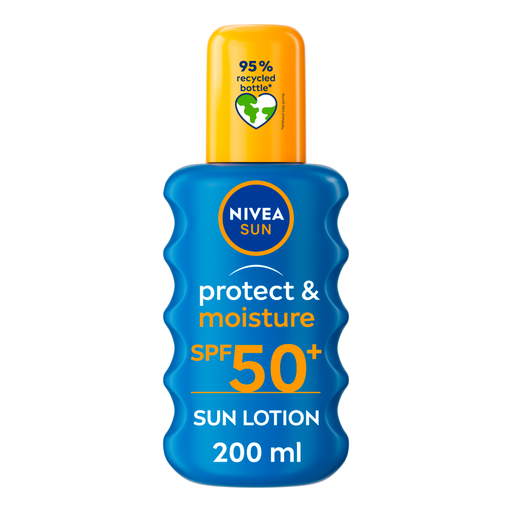
Why This Fits Their Persona: The 200ml pump format is suited to everyday body coverage, family holidays and keeping a larger bottle in the bathroom or travel bag.
The pump spray can be spread across the body rather than relying on a brief, uneven aerosol pass. It is water-resistant, but still requires reapplication after swimming or towelling.
SPF 50+, 200ml capacity, fast-absorbing texture and stated water resistance.
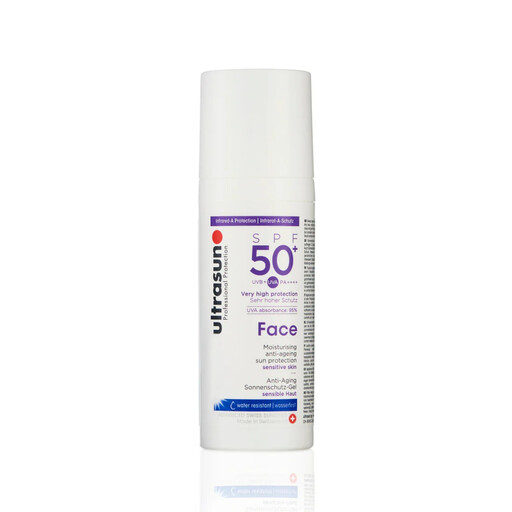
Why This Fits Their Persona: Designed for daily facial wear, it suits UK commuters who want a face-specific product that can sit beneath skincare or make-up.
Its face-focused format helps avoid using a heavy body lotion on the face. The 50ml size also makes it easier to apply the stated facial amount consistently.
SPF50+, broad-spectrum UVA and UVB protection, non-comedogenic formulation and a primer-style texture.
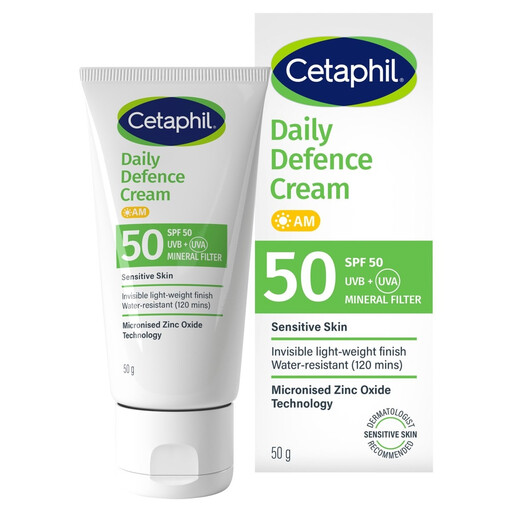
Why This Fits Their Persona: A fragrance-free mineral sunscreen with micronised zinc oxide is suited to shoppers prioritising a gentle-feeling facial and neck formula.
The product information states that it is fragrance-free, non-comedogenic and designed not to sting the eyes. Avoid contact with eyes and patch test if your skin is reactive.
Mineral zinc oxide, SPF 50, 120-minute water-resistance statement and lightweight finish.
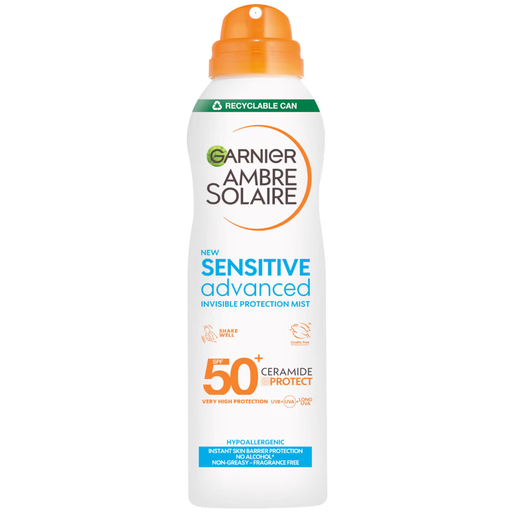
Why This Fits Their Persona: The dry mist format is practical for holidays, walking and sports when quick body application matters.
The alcohol-free, fragrance-free formula addresses common preference concerns, while the need to apply generously counters the risk of misting too lightly.
SPF 50+, water-resistant formula, fragrance-free positioning and convenient 150ml spray format.
We have compiled a complete, real-time list of products that fully satisfy these strict selection criteria and UK safety regulations.
For children, choose a clearly labelled children’s sunscreen SPF 50, apply it generously and use protective clothing and shade as well. NIVEA Sun Kids Protect & Care SPF50+ Lotion is listed for children aged three and above and is described as extra water-resistant. Babies and young children should be kept out of direct sunlight, regardless of the sunscreen used.
If you want a tanning product, remember that SPF 30 provides less protection than SPF 50. Products such as Piz Buin Tan & Protect Tan Intensifying Sun Oil Lotion SPF30 are body lotions with tanning-focused positioning, not substitutes for higher-protection sunscreen where SPF 50 is preferred. Do not deliberately extend sun exposure because a tanning formula is being used.
Yes, many people use it as a daily facial sunscreen, particularly during brighter weather, holidays or extended outdoor activity. Select a texture you are willing to apply in the recommended quantity and reapply when exposure continues.
Follow the label, but reapplication is generally needed after swimming, sweating or towelling and during prolonged exposure. A single morning application should not be treated as all-day protection.
Check the packaging for the expiry date, period-after-opening symbol and storage instructions. Heat and direct sunlight can affect product condition, so store sunscreen in a cool, dry place and replace it when the stated period has passed or its appearance and smell change.