
24/7 Customer Support

Free returns

Same-day & Next-day Delivery

Quality Guaranteed

Unlock Your Welcome Offers: FREE Delivery | Up to 80% OFF | Free 30-day JoyPlus trial
Download the APP
Choosing sunscreen SPF 50 can seem straightforward, but packaging claims and different textures make it easy to buy the wrong formula. A product that feels comfortable on the face may not suit swimming, while a water-resistant body lotion may feel too rich beneath make-up.
For UK shoppers, the practical decision usually comes down to three questions: does it offer suitable UVA and UVB protection, will you apply enough of it, and does the formula match your skin and daily routine?
SPF mainly indicates protection against UVB, the rays associated with sunburn. It does not, by itself, tell you how well a product addresses UVA exposure. Look for clear UVA protection information, such as the UVA logo, a stated broad-spectrum claim or, on some Korean sunscreen products, a PA rating.
SPF 50 is not a reason to stay in direct sunlight for longer. Reapplication, shade, clothing and sunglasses remain important, particularly during strong sun or extended outdoor activities.
Water-resistant sunscreen is designed to retain protection for a stated period during water exposure, but swimming, sweating and towel drying still remove product. Always reapply according to the packaging instructions. A lightweight daily facial SPF that is not water-resistant may be more comfortable for commuting, but it is not the right choice for a pool or beach session.
Reducing the amount significantly lowers the protection achieved. For the face and neck, many facial products recommend approximately two finger lengths, or the amount stated on the packaging. For the body, apply generously and evenly before exposure, paying attention to ears, shoulders, the backs of hands, feet and the hairline.
A smaller 40–50ml face sunscreen is convenient for daily use, but a 175–200ml body sunscreen is generally more practical for holidays and family use.
For regular outdoor use, SPF 30 can be suitable when applied correctly and reapplied, while SPF 50 or SPF 50+ provides a higher labelled UVB protection level. Many shoppers prefer high-protection sun cream for holidays, outdoor work, sport or fair and sensitive skin.
Check that the product also identifies UVA protection. A Korean sunscreen may show SPF 50+ PA++++, while UK and European products commonly display UVA marking or broad-spectrum information. These rating systems should not be treated as identical measurements, so compare the actual label rather than relying on the number alone.
A moisturising sunscreen can be useful for dry or mature skin, while a serum-like or invisible sunscreen may suit combination skin and make-up users. If your skin is reactive, check the full ingredient list for fragrance, alcohol or other ingredients you already know cause discomfort. “Sensitive skin sunscreen” is not a guarantee that every user will tolerate it; patch testing is sensible.
Mineral formulas commonly use zinc oxide or titanium dioxide. Chemical and hybrid formulas use UV filters that absorb or help manage UV energy. The most suitable option is the one you can apply generously and comfortably.
Choose a body sunscreen with water or sweat resistance for swimming, sport and active holidays. For children, select a product clearly intended for their age group and follow the label instructions. Babies and young children should be kept out of direct sunlight, with clothing and shade used as additional protection.
For everyday face use, look for a finish you will actually reapply: dewy and moisturising, matte, tinted or compatible with foundation.
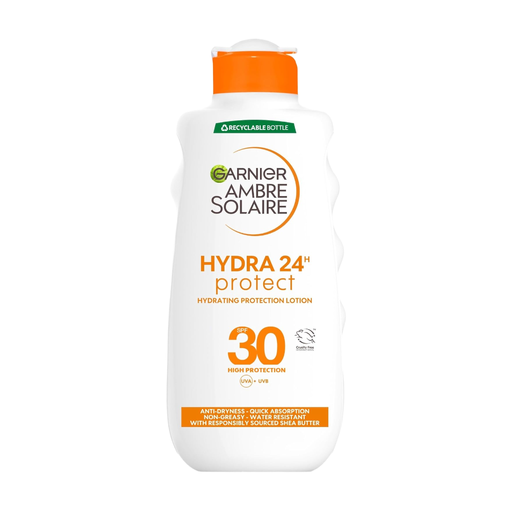
Why This Fits Their Persona: A practical full-size option for commuters, day trips and general body use when SPF 30 meets the shopper’s planned exposure and reapplication routine.
Its 175ml format makes generous body application more realistic than relying on a small face tube for a holiday.
UVA and UVB protection, Shea Butter, fast absorption and a water-resistant formula.
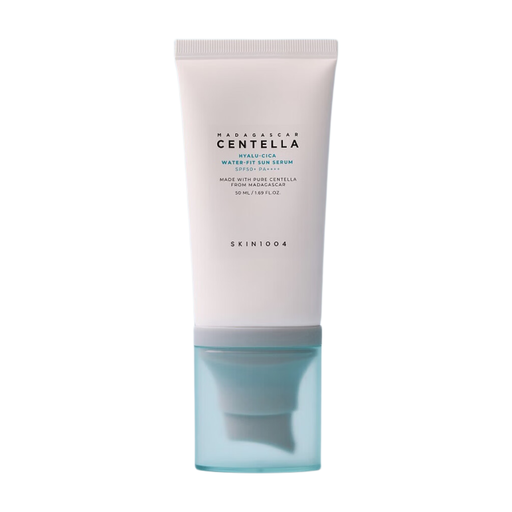
Why This Fits Their Persona: Suits shoppers seeking a Korean sunscreen with a light, invisible finish for daily facial use and make-up routines.
The product description clearly states that it is not water or sweat-resistant, so it is not easily mistaken for a swimming sunscreen.
SPF 50+ PA++++, fragrance-free formula, Centella Asiatica and a clear serum-like texture.
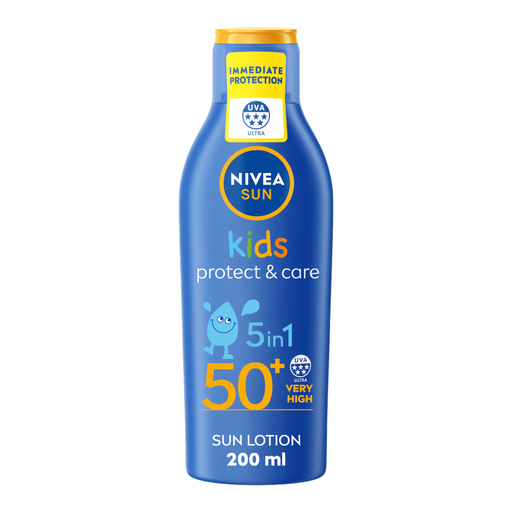
Why This Fits Their Persona: Designed for families needing high-protection sun cream for children aged three and above during active outdoor play.
The age suitability and extra water-resistant description are clearly stated, helping parents match the product to its intended use.
SPF 50+, UVA and UVB protection, extra water resistance and a 200ml lotion format.
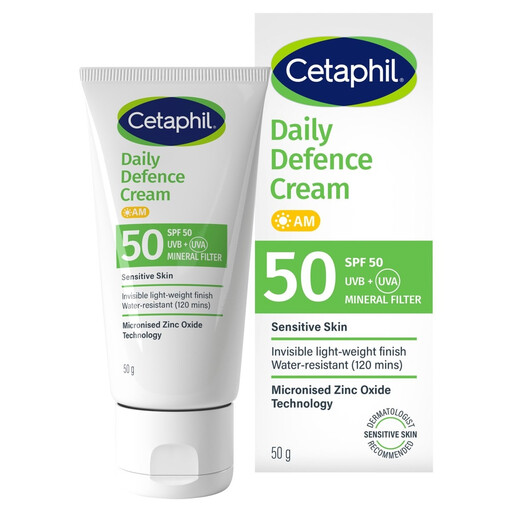
Why This Fits Their Persona: A face sunscreen option for shoppers looking for fragrance-free daily SPF with a mineral UV filter and water resistance.
The ingredient list identifies Zinc Oxide and no added fragrance, while the product information states 120 minutes of water resistance.
SPF 50, fragrance-free formula, no added fragrance and a lightweight finish described as non-greasy.
We have compiled a complete, real-time list of products that fully satisfy these strict selection criteria and UK safety regulations.
Yes, many people use daily facial SPF 50 as part of their morning routine, particularly when spending time outdoors. Choose a comfortable formula and apply enough to cover exposed skin. SPF 50 does not remove the need for reapplication or other sun-safety measures.
The usable period varies by product. Check the packaging for the open-jar symbol, expiry information, batch details and storage instructions. Keep sunscreen away from excessive heat and direct sunlight, and replace it if the texture, colour or smell changes.
SPF 30 may suit routine outdoor use when applied generously and reapplied, while SPF 50 offers a higher labelled protection level. SPF 50 is a sensible choice for holidays, prolonged outdoor activity, children and shoppers who prefer high-protection sun cream. The right option is the one that matches the exposure, skin needs and application habits.