
24/7 Customer Support

Free returns

Same-day & Next-day Delivery

Quality Guaranteed

Unlock Your Welcome Offers: FREE Delivery | Up to 80% OFF | Free 30-day JoyPlus trial
Download the APP
A sunscreen spray can make applying sun protection quicker, particularly before a beach day, commute, sports session or family outing. However, a fine mist can also create a false sense of complete coverage. The product may feel evenly distributed while leaving missed areas, and a high SPF number cannot compensate for applying too little.
Before buying, look beyond phrases such as “dry touch”, “invisible” or “water-resistant”. Check the SPF level, UVA protection, application instructions, skin suitability and whether the spray format matches how you intend to use it.
Aerosol sun cream and dry mist sunscreen are convenient, but the spray can drift in wind or settle unevenly. Areas such as the sides of the body, shoulders, ears, ankles and the backs of legs are easy to miss. Spraying directly over the face is generally unsuitable; several products specifically instruct users to spray into their hands first.
Apply generously and evenly, then spread the product where necessary. Reapplication is also important, especially after swimming, heavy sweating, exercise or towel-drying.
SPF mainly indicates protection against UVB, the radiation associated with sunburn. A suitable sunscreen should also provide UVA and UVB protection. On UK packaging, look for a UVA symbol or a stated UVA rating, such as a five-star UVA rating where provided.
An SPF 50+ sunscreen spray offers a higher labelled SPF level than SPF 30, while SPF 20 sunscreen or an SPF 30 sun spray may suit lower-exposure routines for some adults. Your choice should reflect skin type, location, time outdoors and exposure intensity. No sunscreen provides complete protection, so clothing, shade, sunglasses and avoiding prolonged midday exposure remain important.
A water-resistant sunscreen spray is designed to retain protection for a period during water exposure, but it still needs reapplying after swimming, perspiring or towelling. Sand, clothing and friction can also remove product. For children, beach users and active adults, choose a formula that clearly states its water-resistance level and follow the label directions rather than relying on the claim alone.
For regular outdoor activities and holidays, many UK shoppers compare SPF 30 and SPF 50+. If you have fair or sensitive skin, spend extended time outdoors or are travelling somewhere with stronger sunlight, an SPF 50 sunscreen spray may be a practical choice. Check the product label for its UVA marking as well as the SPF.
SPF 20 can be appropriate for some lower-intensity situations, but it should not be treated as interchangeable with SPF 50+. Apply enough product to achieve the labelled protection.
A lightweight non-greasy sun protection formula may be more comfortable for commuting or sports, while a moisturising sunscreen spray can suit dry skin. If fragrance is a concern, look for a fragrance-free sunscreen and review the full ingredient list. “Sensitive” does not mean irritation is impossible, so patch testing and stopping use if irritation occurs are sensible precautions.
For face and body sunscreen use, check whether the product is suitable for both areas. A product labelled for the body may still require application to the hands before being used on the face.
Pump sprays do not use pressurised propellant and can be easier to control around children. Aerosols provide fast coverage but must be kept away from flames, sparks, heat and smoking materials. Do not pierce or burn a pressurised container, even when empty, and follow storage instructions.
For children, adult supervision is essential. Babies should be kept out of direct sunlight, with protective clothing and shade used alongside sunscreen.
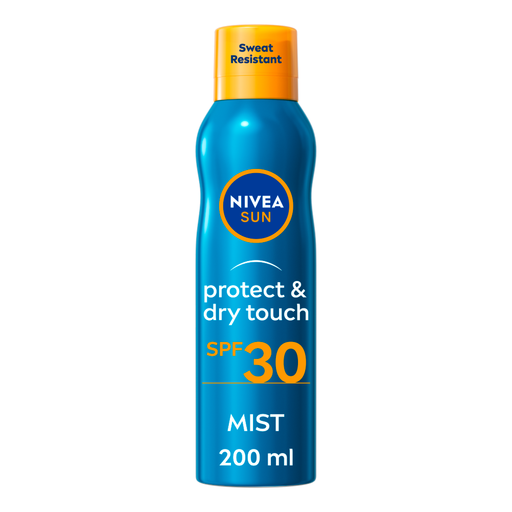
Why This Fits Their Persona: A 200ml SPF 30 option for everyday UK commuting, casual outdoor time and holiday packing when a refreshing, quick-spray format is preferred.
Its SPF 30 label is paired with stated UVA/UVB protection and sweat and extra water resistance, helping shoppers avoid selecting by spray feel alone.
Refreshing dry-touch texture, no stated white residue and an angled spray design for body application.
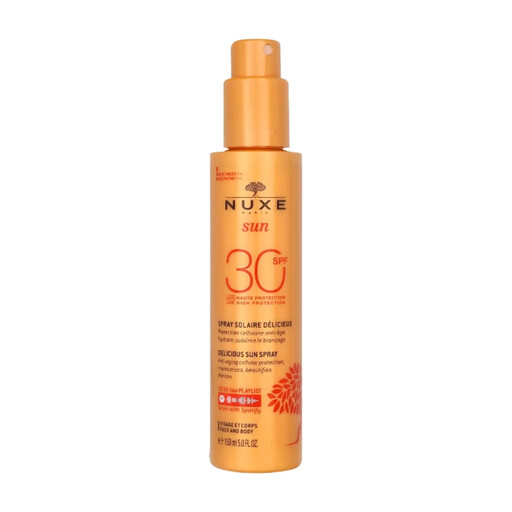
Why This Fits Their Persona: Suits shoppers who value a face and body sunscreen with a lightweight finish, water resistance and a scented sun-care experience.
The instructions specify generous application, spreading over the body and applying through the hands for the face, reducing reliance on an unworked mist layer.
SPF 30, stated UVA/UVB protection, water resistance and an invisible, non-greasy finish.
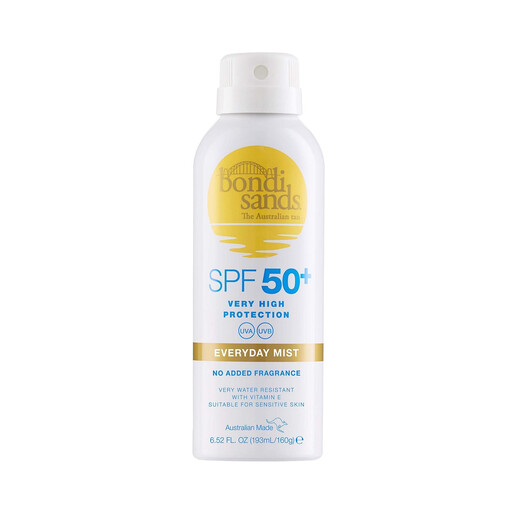
Why This Fits Their Persona: A practical match for runners, swimmers and people spending extended periods outdoors who want high SPF in an aerosol mist.
The directions state application 20 minutes before exposure and reapplication after swimming, exercise or towel-drying, addressing the common under-application trap.
SPF 50+, stated UVA/UVB protection, water resistance and a fast-absorbing, non-greasy finish.
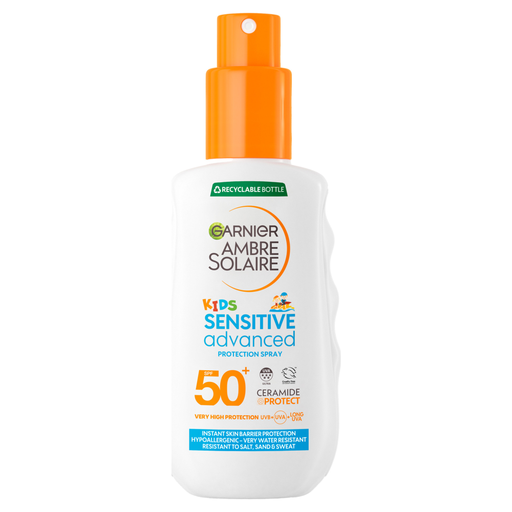
Why This Fits Their Persona: Designed for parents looking for kids’ sunscreen spray with SPF 50+, fragrance-free positioning and high water resistance for outdoor play.
The label states that it should not be sprayed directly onto the face; applying through the palms helps reduce inhalation and missed facial areas.
SPF 50+, fragrance-free formula, stated five-star UVA protection and resistance to water, salt, sand and sweat.
We have compiled a complete, real-time list of products that fully satisfy these strict selection criteria and UK safety regulations.
Yes, a sunscreen spray can be practical for daily commuting, gardening, walking and outdoor sport. Choose an SPF and UVA rating appropriate for your exposure, apply enough product and reapply when needed. Sunscreen should complement shade, clothing and sunglasses rather than replace them.
Shelf life varies by product and storage conditions. Check the packaging for the batch information, expiry guidance or open-jar symbol. Store it in a cool, dry place away from direct sunlight. Pressurised aerosols should not be exposed to temperatures above the limit stated on the packaging.
Only if the label indicates facial use. Even then, avoid spraying directly onto the face; spray into your hands and apply carefully around the eyes. A fragrance-free or sensitive skin sunscreen may be preferable if your face reacts easily, but always review the ingredients and stop use if irritation develops.