
24/7 Customer Support

Free returns

Same-day & Next-day Delivery

Quality Guaranteed

Unlock Your Welcome Offers: FREE Delivery | Up to 80% OFF | Free 30-day JoyPlus trial
Download the APP
A good sunscreen spray is a staple for any UK household, whether you're packing for a holiday, heading to the park or just enjoying a rare sunny day in the garden. The convenience is undeniable: a quick spritz and you're on your way. However, the market is flooded with options, and not all sprays deliver on their promises. Many of us have been left with a sticky, greasy film, or worse, a surprise sunburn despite diligent application.
Before you make your next purchase, it's worth understanding the common pitfalls. Navigating the marketing claims can be tricky, but knowing what to look for ensures you get effective protection without the hassle.
non-greasy sun spray finish.To choose a product that works for you and your family, it helps to understand a few core parameters beyond the price tag.
The Sun Protection Factor (SPF) number primarily indicates the level of protection against UVB rays, the main cause of sunburn. An SPF 50 sun spray offers a high level of protection, but it's only half the story.
UVA rays penetrate deeper into the skin and are responsible for premature ageing and long-term damage. In the UK, look for a UVA logo in a circle or a star rating (from 1 to 5 stars). A high star rating signifies a high ratio of UVA to UVB protection. For comprehensive defence, you should always choose a "broad-spectrum" sunscreen that protects against both.
The type of spray can significantly affect your experience:
clear sun mist that feels lightweight and absorbs quickly. They are great for covering large areas and hard-to-reach spots. However, be mindful of application in windy conditions, as it can be difficult to achieve even coverage.Your skin type and lifestyle dictate the ideal formula:
sensitive skin sun spray that is hypoallergenic and fragrance-free. Formulas tested under paediatric control are often a good indicator of a gentle product.tan enhancing sun spray. These typically contain ingredients that support the skin's natural melanin production, helping you build a gradual tan while staying protected, without any self-tanning agents.Based on these practical considerations, we've matched some standout products to different user needs.
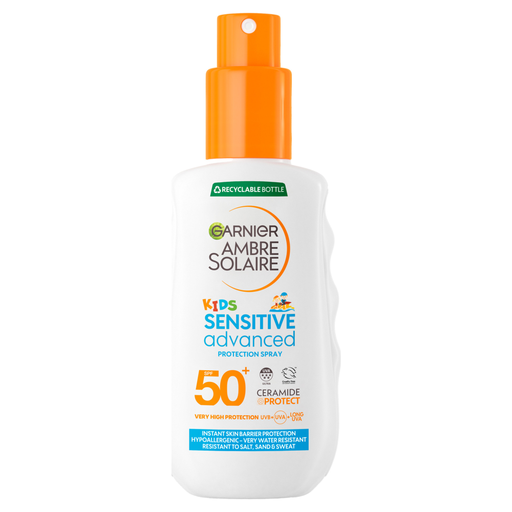
Why This Fits Their Persona: This is a practical choice for UK families. The high SPF 50+ and 5-star UVA protection are ideal for children's delicate skin. It's a reliable option for beach days or playing in the garden, designed to handle the realities of active kids.
It is rated as very water resistant and also resistant to sand and sweat, directly addressing the "waterproof" confusion. This provides reliable protection during play, but remember to reapply frequently as directed.
The formula is hypoallergenic, fragrance-free and tested under paediatric control, making it a go-to kids sun spray for sensitive skin.
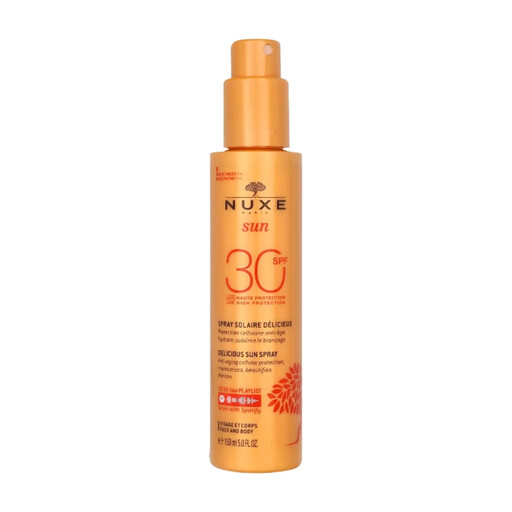
Why This Fits Their Persona: For those who want sun protection that feels like a luxury skincare product. It's perfect for daily use or for taking on holiday, offering a pleasant sensory experience alongside effective UVA/UVB protection.
Its ultra-light, melting texture is specifically designed to absorb instantly without leaving a greasy or sticky film. This directly counters the common pitfall of uncomfortable, tacky sunscreens.
Features a distinctive fragrance with notes of Sweet Orange and Tiaré Flower. The bottle's innovative On/Off pump system makes it cap-less and travel-friendly.
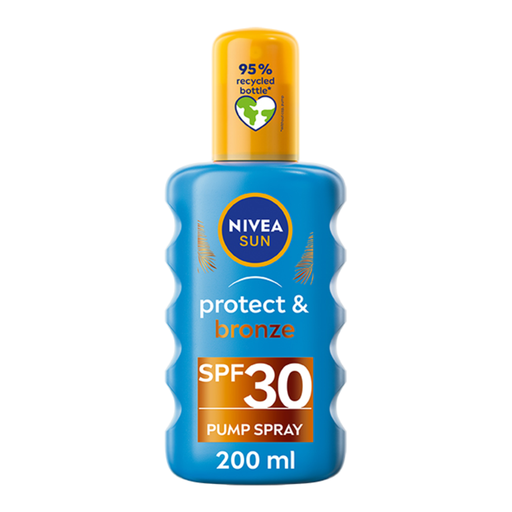
Why This Fits Their Persona: This spray is for those who love a sun-kissed glow but refuse to compromise on protection. It combines reliable SPF 30 with an ingredient that supports the skin's own tanning process, offering a balanced approach to sun exposure.
It provides immediate and effective UVA/UVB protection, ensuring you don't fall into the trap of using low-SPF tanning oils that offer minimal defence. It prioritises skin health while helping to achieve an even tan.
Contains natural pro-melanin extract to stimulate a natural tan with 0% self-tan. The formula is lightweight, water-resistant and non-greasy.
We have compiled a complete, real-time list of products that fully satisfy these strict selection criteria and UK safety regulations.
A common mistake with sprays is under-application. The general guidance is to apply a visible layer before rubbing it in to ensure full coverage. For an average adult, this equates to roughly six teaspoons (36 grams) for the entire body. When using a spray, apply generously until an even sheen is visible on the skin, then spread it evenly.
It is not recommended to spray sunscreen directly onto your face. This can lead to inhalation of the product and inadequate, patchy coverage. The correct method is to spray a generous amount into the palms of your hands and then apply it to your face, avoiding the delicate eye area.
SPF 30 blocks approximately 97% of UVB rays, while SPF 50 blocks about 98%. While the increase in protection seems small, that extra 1% can make a difference for those with very fair skin, a history of skin cancer or for children's sensitive skin. For most people, a properly applied broad-spectrum SPF 30 is sufficient, but SPF 50 offers an additional margin of safety. The most important factor remains frequent and generous reapplication.