
24/7 Customer Support

Free returns

Same-day & Next-day Delivery

Quality Guaranteed

Unlock Your Welcome Offers: FREE Delivery | Up to 80% OFF | Free 30-day JoyPlus trial
Download the APP
A sun spray sunscreen can make protecting exposed skin quicker and more convenient, particularly when you are getting children ready, heading to the beach or applying protection before outdoor sport. However, a fine mist is not automatically easier to use correctly. The right choice depends on SPF, UVA coverage, skin compatibility and whether the formula suits swimming, sweating or daily wear.
Aerosol sun mist is easy to spread, but the spray may land unevenly, especially in windy conditions. A light sheen does not necessarily mean the skin has received enough product. Missed areas commonly include the backs of the legs, shoulders, ears and the sides of the body.
Look for clear application directions and apply generously and evenly. For the face, many products instruct users to spray into their hands first rather than spraying directly onto facial skin.
A water-resistant sunscreen can be useful for swimming and exercise, but protection still needs to be reapplied after swimming, sweating or towel-drying. No sunscreen removes the need for shade, clothing, sunglasses and sensible limits on time in direct sunlight.
For family holidays or active days, check whether the product is described as very water resistant, extra water resistant or simply water resistant. These descriptions are product-specific, so always follow the packaging instructions.
An SPF 30 sunscreen spray and an SPF 50 sunscreen spray both require generous application. SPF primarily indicates the product’s tested level of UVB protection when used as directed; it does not replace checking for UVA and UVB protection. A product with SPF 50 can offer less practical protection if too little is applied or reapplication is missed.
For routine UK commuting, outdoor lunches and short periods outside, SPF 30 may suit some adults when applied properly. SPF 50 or SPF 50+ is a sensible consideration for fair or sensitive skin, children, holidays and prolonged outdoor activities.
Check the packaging for UVA protection as well as the SPF number. Broad-spectrum wording or a clear UVA symbol helps confirm that the formula is intended to cover both major types of ultraviolet exposure relevant to sunscreen labelling.
A pump spray is not the same as an aerosol sun mist. Pump bottles do not use pressurised propellant and can be practical around children, while aerosols offer a fine, quick-to-apply mist. Neither should be sprayed directly into the face or inhaled.
For dependable coverage:
If you have easily irritated skin, compare a sensitive skin sunscreen or fragrance-free sunscreen with a standard fragranced formula. Ingredients such as alcohol, fragrance and essential-oil components may matter to individual preferences and sensitivities, so read the full ingredient list rather than relying only on front-of-pack wording.
For a non-greasy sunscreen, look for terms such as dry mist, dry touch, lightweight or fast-absorbing. Those descriptions refer to texture and finish, not a guarantee that the product will suit every skin type.
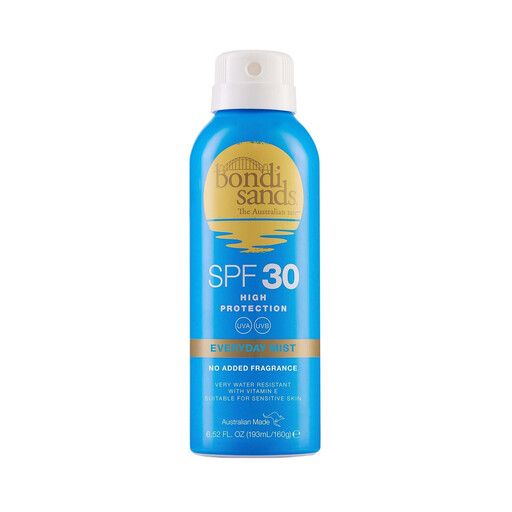
Why This Fits Their Persona: A straightforward body sunscreen spray for everyday errands, parks and occasional UK outdoor activities, with a 160g aerosol format that is convenient to carry.
Its fragrance-free formula and clearly stated UVA/UVB protection make it easier to compare than a product marketed only around a quick spritz.
SPF 30; fragrance-free; non-comedogenic formula described as suitable for all skin types, including sensitive skin.
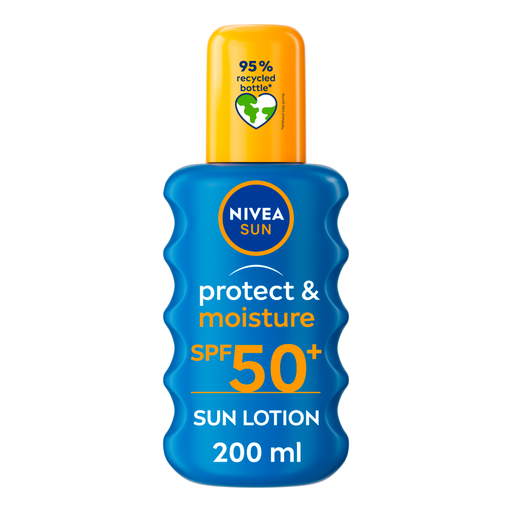
Why This Fits Their Persona: Suitable for adults wanting high protection and a moisturising body spray for holidays, commuting and extended time outdoors.
The pump format supports controlled application, while the instructions still make generous coverage and reapplication clear.
SPF 50+; water-resistant; 200ml pump spray; described as fast-absorbing with no white cast.
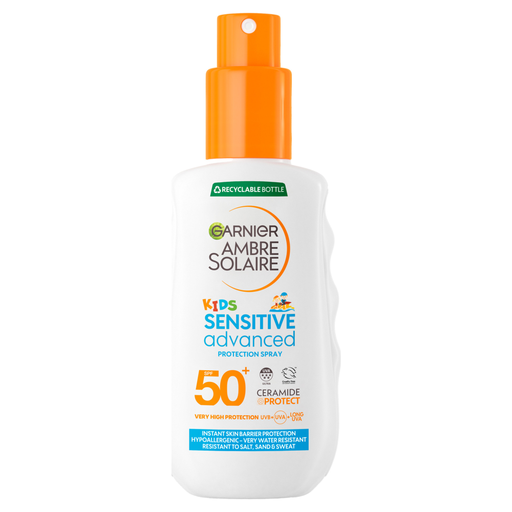
Why This Fits Their Persona: Designed for family beach trips, outdoor play and active children who may swim, sweat or encounter sand.
It specifies SPF 50+, fragrance-free and very water-resistant properties, rather than relying on a generic “family” description.
Very water-resistant; fragrance-free; intended for children’s sensitive skin; suitable for face and body, with face application made through the hands.
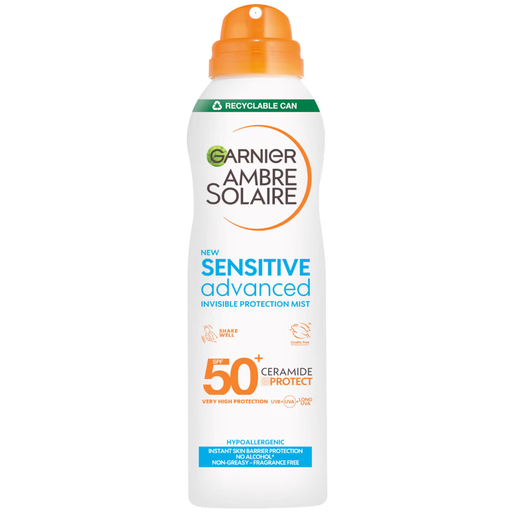
Why This Fits Their Persona: A practical option for adults seeking a lightweight, alcohol-free and fragrance-free sun spray for fair or sensitive skin.
The product information identifies both fragrance-free and alcohol-free properties, helping shoppers screen out commonly avoided ingredients.
SPF 50+; water-resistant; non-greasy dry mist texture; no white marks; fragrance-free and alcohol-free.
We have compiled a complete, real-time list of products that fully satisfy these strict selection criteria and UK safety regulations.
Use the product exactly as stated on its packaging. Shake an aerosol or pump bottle where instructed, then apply a generous, even layer to exposed skin. Do not apply near an open flame, and avoid inhaling the mist. For children, an adult should apply the sunscreen and spray into the palms before covering the face.
Remember areas often missed: ears, neck, shoulders, feet, hands and hairline. Reapply after water exposure, heavy perspiration, towelling or exercise, even when using a water-resistant sunscreen. Keep babies and young children out of direct sunlight and add protective clothing and shade.
SPF 30 provides a stated level of UVB protection when applied generously and reapplied correctly. For long periods outdoors, very fair or sensitive skin, children and strong holiday sunshine, shoppers may prefer SPF 50 or SPF 50+. UVA protection should also be checked, as SPF alone does not describe the complete protection profile.
Only if the product information says it is suitable for the face. Do not spray an aerosol directly onto the face. Spray into your hands first, avoid the eye area and apply carefully. Stop using any sunscreen if irritation or a rash develops.
Shelf life varies by product and storage conditions. Check the packaging for the batch details, expiry or shelf-life guidance, and store it away from direct sunlight and excessive heat. The amount of use also affects how long a can or bottle lasts: frequent generous applications will use it faster than occasional light applications.