
24/7 Customer Support

Free returns

Same-day & Next-day Delivery

Quality Guaranteed

Unlock Your Welcome Offers: FREE Delivery | Up to 80% OFF | Free 30-day JoyPlus trial
Download the APP
A super greens powder can be a convenient addition to smoothies, porridge or water when work, commuting or training makes regular meal planning difficult. However, not every green superfood powder offers the same nutritional profile, serving size or value.
The main challenge is separating useful product information from broad claims about “detoxing”, instant energy or effortless health improvements. A supplement should complement a varied diet, not replace vegetables, fruit or balanced meals. Before buying, check the ingredient list, nutrition panel, recommended serving and warnings rather than relying on the front of the pouch.
A daily greens powder may list 20 or more ingredients, but some may be included in very small quantities. Look for products that disclose the amount per serving, especially for notable ingredients such as spirulina powder, chlorella powder, wheatgrass, barley grass, fibre and protein.
A shorter formula with clearly stated quantities can be easier to assess than a long blend that does not show individual amounts.
Terms such as “detox”, “alkalising” and “cleanse” are common in green superfood powder marketing. They do not automatically indicate a measurable benefit. Focus instead on verifiable details, such as whether the product contains fibre, its vitamin and mineral values and whether the ingredients suit your diet.
For authorised nutrition claims, check the exact wording. For example, iron and vitamin B12 contribute to normal energy-yielding metabolism, while vitamin C contributes to normal immune system function. These statements do not mean that a powder will cure tiredness or prevent illness.
A powder that remains unused because it tastes too grassy is poor value, even if the formula looks attractive. Compare unflavoured greens powder with flavoured greens powder and consider how you intend to use it.
Also check serving instructions carefully. Products may suggest 4g, 5g, 8.5g, 10g or 15g per day, so comparing pouch weight alone can be misleading. Finally, review warnings for celery, sulphites, wheat, barley, oats, green tea extract, iodine-containing algae and potential nut handling.
Decide whether you want a broad daily greens powder, a single ingredient or a targeted blend.
Read the nutrition panel per serving, not only per 100g. A product can appear high in protein per 100g while providing only a small amount in its daily serving.
Vegans and vegetarians should check whether every ingredient, including vitamin D3, is plant-derived. Those seeking an organic greens powder should look for the relevant certification on the packaging, rather than assuming that “natural” means organic.
People avoiding gluten should distinguish between a gluten-free claim and a formula containing wheat or barley grass. KIKI Health Nature’s Living Superfood, for example, lists wheatgrass, barley grass and oats, so it may not suit someone avoiding gluten despite being plant-based.
Compare the number of servings, recommended daily dose and ingredients used to improve taste. Some flavoured powders contain sweeteners or flavourings, while an unflavoured product can be mixed into juice, soup or a smoothie without adding a pronounced new taste.
For a fair price comparison, use:
Pack price ÷ stated number of servings = approximate cost per serving
This is more useful than comparing 150g, 200g or 250g packs by weight alone.
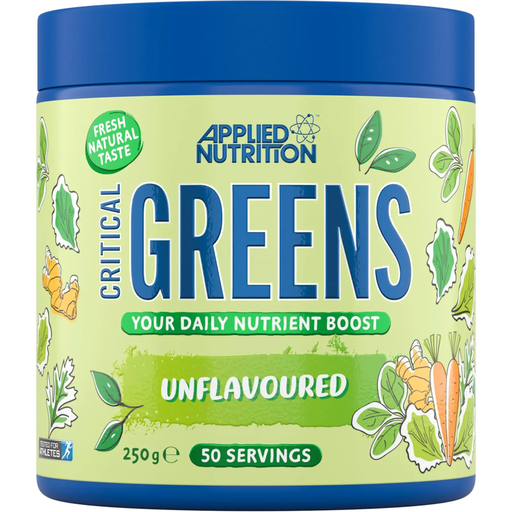
Why This Fits Their Persona: The 250g pouch and 5g daily serving make it a practical option for shoppers who want to establish a routine without choosing a flavoured formula.
Its label lists individual ingredients and amounts per 5g serving, avoiding reliance on an unspecified proprietary blend.
Unflavoured format; 58g protein per 100g; includes spirulina, grass powders and vegetable powders.
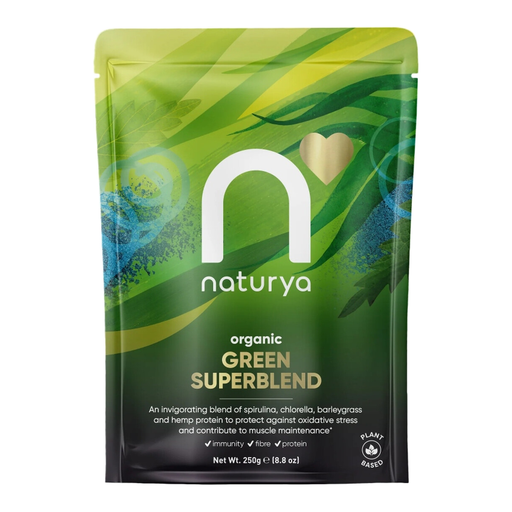
Why This Fits Their Persona: Suitable for shoppers prioritising an organic, vegan and gluten-free blend with greens, algae, hemp protein and fibre.
The formula and nutrition panel identify its five main superfoods, while Soil Association organic certification is stated in the product information.
30g fibre and 29g protein per 100g; no added sugars; contains wheatgrass, barley grass, spirulina, chlorella and hemp protein.
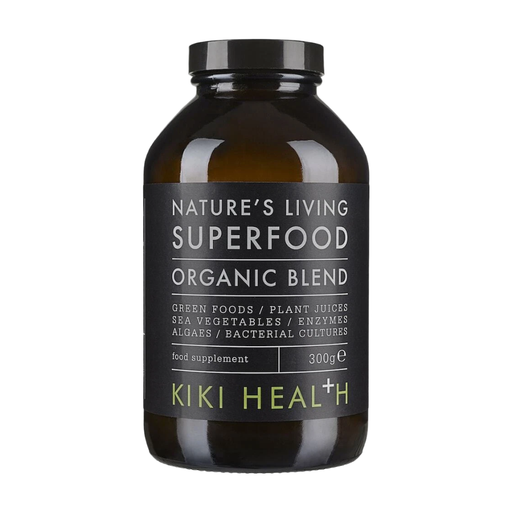
Why This Fits Their Persona: A larger-format choice for regular users who want a broad blend containing greens, algae, sea vegetables, enzymes and bacterial cultures.
The product clearly lists its 36 ingredients and warns that it contains wheat, barley and oats, helping buyers screen suitability before purchase.
31g fibre and 27g protein per 100g; vegan formula; advised to begin with a half-teaspoon and increase gradually.
Choose a flavoured greens powder if you plan to drink it with cold water and taste is likely to determine whether you use it consistently. Grass & Co. ACTIVE uses apple and ginger flavouring and includes 4g servings, while EHPlabs OxyGreens provides a pineapple flavour, prebiotic fibre and an 8.5g serving.
An unflavoured greens powder is more flexible for smoothies, juice, soups or salad dressings. It may be preferable if you already have a preferred drink or want to avoid sweeteners. Always check whether the product contains stimulants: some Applied Nutrition Critical Greens variants include green tea extract, whereas the Naturya green blend is described as caffeine-free.
We have compiled a complete, real-time list of products that fully satisfy these strict selection criteria and UK safety regulations.
No. It is a food supplement intended to complement a varied and balanced diet. Use it alongside vegetables, fruit, pulses, wholegrains and other everyday foods.
Follow the product label. Many powders mix with cold water, juice or smoothies. Begin with the stated serving rather than adding extra scoops, and introduce fibre-rich formulas gradually if your diet is not accustomed to them.
This depends on the pack size and serving recommendation. A 250g pouch used at 5g per day provides approximately 50 servings, while a 10g daily dose provides approximately 25 servings. Check the label for the exact serving size, reseal the pouch after opening and store it in a cool, dry place.