
24/7 Customer Support

Free returns

Same-day & Next-day Delivery

Quality Guaranteed

Unlock Your Welcome Offers: FREE Delivery | Up to 80% OFF | Free 30-day JoyPlus trial
Download the APP
Superfood powders can make it easier to add greens, algae, cacao or mushrooms to a busy routine. However, attractive packaging and long ingredient lists do not automatically make a product suitable for your diet, taste preferences or intended use.
The main challenge is comparing products fairly. A single-ingredient spirulina powder serves a different purpose from a flavoured greens blend, while a mushroom superblend powder may have completely different usage instructions and cautions. Before buying, check the serving size, ingredient format and allergen information rather than relying on broad wellness language.
A product containing 36 or 47 ingredients may appear more comprehensive, but the amount of each ingredient matters. Some blends list many components in small quantities. Compare the serving size, the ingredient order and any stated quantities before deciding whether a product matches your priorities.
A focused product such as spirulina powder, chlorella powder or cacao powder may be more practical if you already have a varied diet and want one particular ingredient.
Natural ingredients can still create dietary or medication considerations. For example, some green powders contain wheatgrass, barley grass, oats, celery or sulphites. Products containing vitamin K may also require additional care for people taking blood-thinning medication.
Always read the current packaging, allergen statement and warnings. A vegan superfood powder is not necessarily gluten-free, and an organic superfood powder is not automatically suitable for children, pregnancy or every medical condition.
Earthy or grassy flavours can make an otherwise useful product difficult to take consistently. A neutral formula can be mixed into smoothies, soups or juice, while apple and ginger, lemon and lime or cacao flavours may be easier to drink with cold water.
Also check whether the powder should be mixed with cold liquids. Some products advise avoiding hot liquids to help preserve live enzymes or other heat-sensitive ingredients.
First decide what you want from a powder:
Look for transparent serving information. For instance, Applied Nutrition Critical Greens Unflavoured lists a 5g serving, including 1,960mg pea protein, 700mg spirulina and 300mg each of barley grass and wheatgrass. This is more useful for comparison than simply stating that the product contains “many superfoods”.
Check for certifications and actual ingredient declarations rather than relying on front-of-pack wording. Suitable labels to compare include vegan, vegetarian, gluten-free, organic and Halal, where relevant.
The KIKI Health 300g formula contains wheat, barley and oats, so it is not suitable for people avoiding those grains. Naturya Organic Chlorella products contain sulphites, while Applied Nutrition Critical Greens products list celery. These details can be more important than flavour or pack size.
A 150g pouch may look less expensive than a 300g jar, but the cost per serving depends on the recommended daily amount. Examples include:
Seal powders securely and follow the stated storage instructions. Keep them cool, dry and away from direct sunlight. Once opened, some products have a shorter recommended consumption period, so choose a pack size that suits your actual routine.
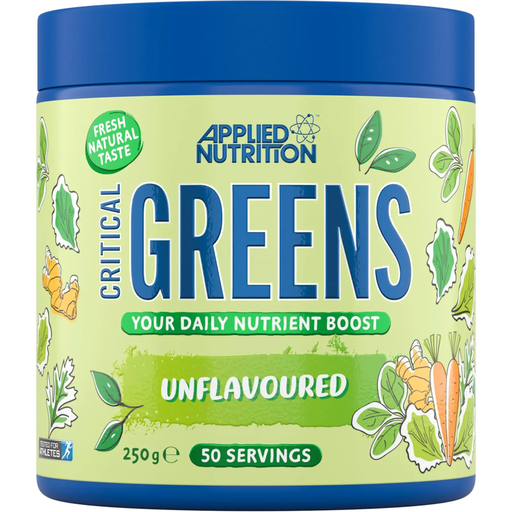
Why This Fits Their Persona: The unflavoured 250g format is practical for shoppers starting a daily greens routine and wanting to mix it with juice, smoothies or cold water.
The ingredient list and per-5g quantities are provided, making it easier to compare actual amounts instead of relying on a broad “super greens” claim.
250g pack; unflavoured formula; includes spirulina, grasses, vegetables, beetroot and green tea extract.
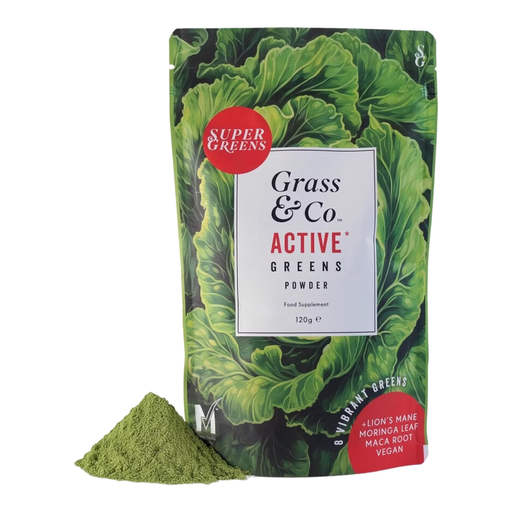
Why This Fits Their Persona: A flavoured option suits busy UK professionals who want a ready-to-mix daily wellness powder with a more approachable taste.
The formula provides named ingredients and a defined 4g serving, while the apple and ginger flavour addresses the common problem of abandoning grassy-tasting powders.
Vegan and gluten-free; contains greens, Lion’s Mane, adaptogenic ingredients and vitamins C, D3 and K2.
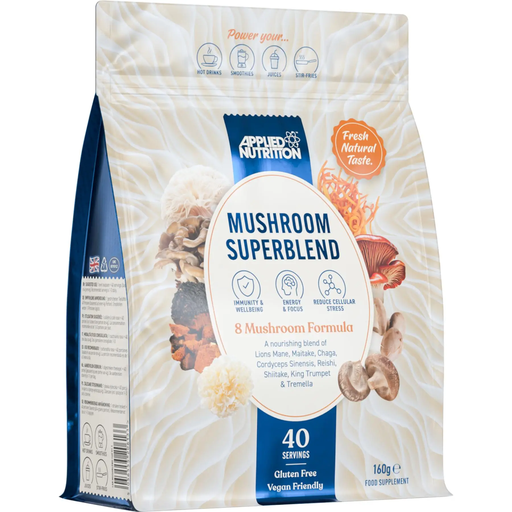
Why This Fits Their Persona: Suited to adults who specifically want a stimulant-free mushroom blend for coffee, tea, smoothies or savoury foods.
It identifies all eight mushrooms and states that they are 10:1 extracts, so shoppers can distinguish an extract blend from a basic mixed mushroom powder.
Unflavoured; vegan and gluten-free; designed for 4g servings and flexible food or drink preparation.
We have compiled a complete, real-time list of products that fully satisfy these strict selection criteria and UK safety regulations.
Start with the stated serving or a smaller amount if the product instructions allow it. Mix thoroughly with cold water, juice or a smoothie, and assess the flavour before increasing the quantity. Cacao powder works well in porridge or baking, while a greens powder can be combined with fruit to soften earthy notes.
Superfood powders are supplements or foods, not replacements for a varied and balanced diet. Do not exceed the recommended intake. If you are pregnant, breastfeeding, taking prescription medication or managing a health condition, seek appropriate healthcare advice before use.
They can be useful for convenience, particularly if you struggle to include certain ingredients regularly. Value depends on serving size, ingredient quantities, taste and whether you will use the product consistently. They should complement, rather than replace, balanced meals.
Divide the pack size by the daily serving. A 250g pack used at 5g per day provides approximately 50 servings, while a 150g pack at the same serving size provides approximately 30 servings. Check the product label because serving sizes vary.
Check the individual instructions. Some formulas advise mixing with cold liquids, particularly where live enzymes are included. For hot drinks, an unflavoured mushroom blend or cacao powder may be more suitable if the label permits it.