If the laptop, tablet or phone you use for survey work supports Bluetooth, a compact battery-powered keyboard can keep the keyboard itself off a scarce plug socket and make moving between tables easier. Choose a larger or wired-capable model when familiar key placement, a number pad or a connection fallback matters more than portability; check its charging needs and the exact layout before buying.
Who this suits
Pop-up survey coordinators
If you move between halls, outreach venues or temporary tables, a portable keyboard with its own usable batteries or charge lets you type without reserving a socket for the keyboard. Plan power for the survey device separately.
Shared-room organisers
If you edit questions beside volunteers or residents, the sound and feel of the keys may matter alongside portability. Logitech describes the Pebble Keys 2 K380s as quiet, but that is a manufacturer description rather than a measured comparison with other keyboards.
Multi-device survey editors
If you switch between a laptop, tablet and phone, check that each device supports the keyboard’s connection method and that its switching controls suit your workflow. A receiver or wired option is worth checking when Bluetooth alone will not cover every device.
What matters when choosing
Start with keyboard power and compatibility with the device you will actually bring. Then weigh shared-room typing and key layout against the space available on the table and in your bag.
| Concern | What to check | Who this matters to |
|---|
| Power away from sockets |
Replaceable batteries or USB charging; what comes with the keyboard. Plan power for the laptop, tablet or phone separately. |
When I move between survey tables, I do not want keyboard charging to interrupt the session. Around 36% of consumers put independent keyboard power first. |
| Device connection |
Bluetooth support on the intended device, switching between devices and any needed receiver or wired option. |
If I edit questions on one device and enter responses on another, both need to connect without a setup delay. For around 29% of consumers, device compatibility is the primary concern. |
| Shared-room typing |
The selected key design and whether you can assess its sound and feel; treat brand quietness descriptions as claims, not comparable noise measurements. |
Working beside conversations makes me reluctant to choose a keyboard whose typing sound I cannot tolerate. Quiet shared-space use comes first for around 21% of consumers. |
| Layout for longer sessions |
UK key placement, number-pad and shortcut needs, plus the board’s dimensions. |
When I spend longer editing question lists or response sheets, familiar keys matter more to me than the smallest footprint. Around 14% of consumers prioritise layout and longer-session typing. |
Common buying pitfalls
-
Assuming wireless means ready to use
A Bluetooth keyboard still needs a compatible device and pairing before you can type. A portable board is little help if it cannot connect at the venue.
Pair it with the exact laptop, tablet or phone before the session. Test device switching and bring any receiver or cable your chosen connection requires.
-
Choosing a compact board without checking its keys
A smaller layout may leave out keys you use for spreadsheets or response entry, while UK key placement depends on the selected variant.
Check the variant’s key photos, number pad, shortcuts and dimensions against the work you expect to do.
-
Treating all battery-powered keyboards alike
Replaceable cells and a rechargeable battery both allow keyboard use away from a mains socket, but they require different preparation between sessions.
Carry the correct spare cells for a replaceable-battery model, or charge a rechargeable model and bring the cable and power source you will need.
HP Store UK says a charger is not included with the rechargeable HP 975, so its USB-C charging arrangement needs to be planned separately.
-
Putting spent batteries or an old keyboard in household rubbish
End-of-life disposal is part of using a battery-powered keyboard over repeated sessions. GOV.UK advises against putting unwanted batteries and electrical products in household rubbish.
Use an appropriate battery collection or electrical recycling service when the cells or keyboard reach the end of their useful life.
Keyboard brands to consider
HP
Compact replaceable-battery and larger rechargeable keyboards offer different ways to plan around limited socket access.
- HP Store UK specifies Bluetooth 5.2, pairing with up to three devices and up to two years of battery life with included AAA cells for the 350 Compact.
- The HP 975 uses USB-C charging and is listed at 429.7 mm wide; HP says its charger is not included. Those details apply to these models, not every HP keyboard.
Logitech
The portable Pebble Keys 2 K380s is relevant when survey planning moves between devices or shared spaces.
- Logitech specifies switching among three devices and compatibility with Windows, macOS, iPadOS, iOS and Android for the Pebble Keys 2 K380s.
- Logitech describes its keys as quiet, but this is not an independent noise comparison. Check Bluetooth compatibility with each intended device.
Keychron
The K3 Version 3 is a compact mechanical option for planners who value a UK-ISO variant, customisation and a wired connection option.
- Keychron UK lists Bluetooth 5.2 and wired connection for the K3 Version 3, alongside a 75% layout and QMK/Launcher customisation.
- Check whether the 75% layout retains every key you use; the wired option also needs an available compatible connection on the survey device.
CHERRY
The KW X ULP 2.0 MINI offers several connection modes in a compact mechanical design.
- CHERRY describes two Bluetooth 5.2 channels, a 2.4 GHz wireless channel and a wired channel for this model.
- The compact design has no number pad, and its rechargeable battery makes charging access part of session planning.
Joybuy keyboards for survey planning
These wireless keyboards span compact and full-size layouts for preparing a community survey away from a keyboard socket. Compare their key placement, connection options and charging needs with the device and venue you will use.
 No image available
HyperX Alloy Rise 75 Wireless Keyboard UK
Consider this 75% wireless layout if table space is limited but you still need to check how its keys suit survey editing.
The title identifies a UK version; confirm the exact key placement and compatibility with your survey device. Plan charging around the settings you intend to use.
View on Joybuy
 No image available
Targus EcoSmart Full Size Wireless Keyboard UK
A full-size UK-labelled keyboard is worth considering if familiar key placement matters more than a small bag footprint.
Check that the board fits your shared table and that its battery arrangements suit the time you expect to spend away from sockets. Assess any quiet-key description against your own shared-room needs.
View on Joybuy
 No image available
AULA F75 75% Wireless Mechanical Keyboard, US QWERTY
This compact mechanical option may suit survey editing where you want a choice of wireless or wired connection.
The product title specifies a 75% layout, wired, Bluetooth and 2.4G modes, RGB backlighting, PBT keycaps and US QWERTY key placement. Check that the US layout works for your documents and plan when to recharge it.
View on Joybuy
 No image available
VoxorAI BOX1 Black Bluetooth Keyboard
Consider its portable design if you carry a keyboard between survey locations rather than keeping one at a fixed table.
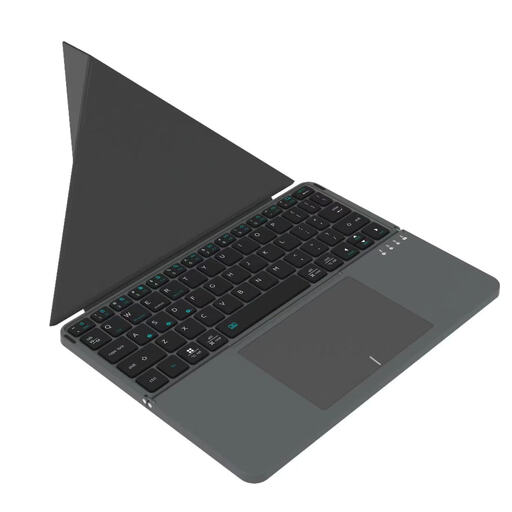
The title describes Bluetooth use with computers, laptops, iPads and smartphones. Check pairing with your particular device, the key layout for longer typing and access to a charging source between sessions.
View on Joybuy
 No image available
AULA F99 Wireless Mechanical Keyboard, US QWERTY, Light Blue/Reaper Switch
Consider this model if a less compact typing area and connection flexibility matter more than minimising the space taken up on a survey table.
The title specifies wired, Bluetooth and 2.4G modes and a US QWERTY layout. Check the key arrangement you need for response entry and how often your sessions allow charging.
View on Joybuy
Questions about survey-planning keyboards
Will a Bluetooth keyboard solve the plug-socket problem?
It can remove the keyboard’s need for a socket while its batteries have usable power and the survey device supports Bluetooth. It will not power the laptop, tablet or phone running the survey, so plan that device’s power separately.
How should I prepare a Bluetooth keyboard before a community session?
Pair it with the exact device you will use and test typing before you leave. Open the device’s Bluetooth settings, put the keyboard in pairing mode and follow any prompt; if you will switch devices, test that step too.
Are replaceable batteries or a rechargeable keyboard more practical?
Choose replaceable cells if avoiding a keyboard-charging routine matters most and you can carry the correct spares; choose a rechargeable model if you can reliably charge it between sessions. HP Store UK lists the 350 Compact with included AAA cells and a stated life of up to two years, while the USB-C rechargeable HP 975 has a stated life of over six months and no charger included.
What should I do with an old wireless keyboard or its batteries?
Keep them out of household rubbish and use a suitable electrical recycling or battery collection service. GOV.UK advises recycling unwanted batteries and electrical products rather than putting them in household rubbish.


