
24/7 Customer Support

Free returns

Same-day & Next-day Delivery

Quality Guaranteed

Unlock Your Welcome Offers: FREE Delivery | Up to 80% OFF | Free 30-day JoyPlus trial
Download the APP
Making sushi at home can be a rewarding experience, transforming your kitchen into a hub of Japanese culinary creativity. However, the first step—sourcing the right sushi ingredients—is often where things go wrong. Many aspiring home chefs in the UK find themselves navigating a confusing market, leading to disappointing results and wasted money.
As the Joybuy Product Recommendation Officer, my role is to help you sidestep these common issues. We see two main pitfalls time and again:
This guide will break down the essential components you need, helping you buy sushi making supplies with confidence and achieve restaurant-quality results from the start.
Success with homemade sushi hinges on understanding a few key parameters. Before you add anything to your basket, focus on getting these three foundational elements right.
The single most important item on your list is the rice. You are looking for Japanese short grain rice, specifically cultivated for making sushi.
Plain steamed rice is not sushi rice. It needs to be seasoned with sushi vinegar, known as sushi-zu. This is a balanced mixture of rice vinegar, sugar and salt that gives the rice its characteristic tangy, slightly sweet flavour and glossy appearance.
Once you have your seasoned rice, you need the supporting cast.
To help you choose, we have matched some reliable products to different types of home cooks.
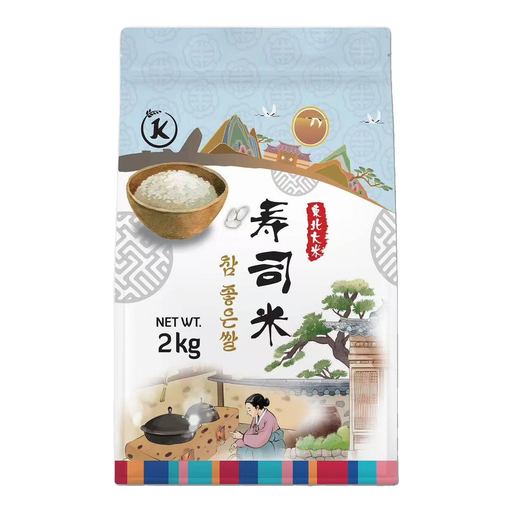
Why This Fits Their Persona: Perfect for those dipping their toes into sushi making. This 2kg bag is an affordable, low-commitment way to get started with the correct type of rice without cluttering the pantry with a huge sack you might not use.
It directly solves the "wrong rice" problem by being a purpose-specific product. It also avoids the overpriced kit trap by allowing you to buy the most crucial ingredient separately and affordably.
Delivers the essential sticky yet firm texture required for sushi. The 2kg size is practical for several batches, providing great value for beginners.
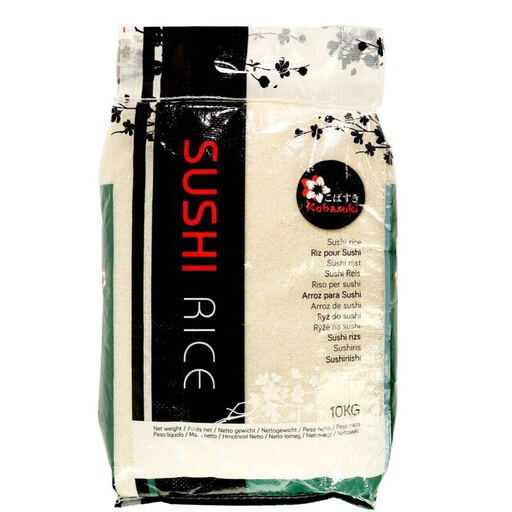
Why This Fits Their Persona: For the family that has sushi night on regular rotation or the professional looking for bulk supplies. This large 10kg bag offers significant cost savings over buying smaller packs repeatedly.
By buying in bulk, you get a much lower price-per-kilo, sidestepping the high markups on small, "specialty" packages and kits. It's the most economical way to source high-quality sushi rice.
Excellent value for money for frequent users. The premium round grain ensures a consistent, glossy and sticky texture ideal for all Japanese dishes.
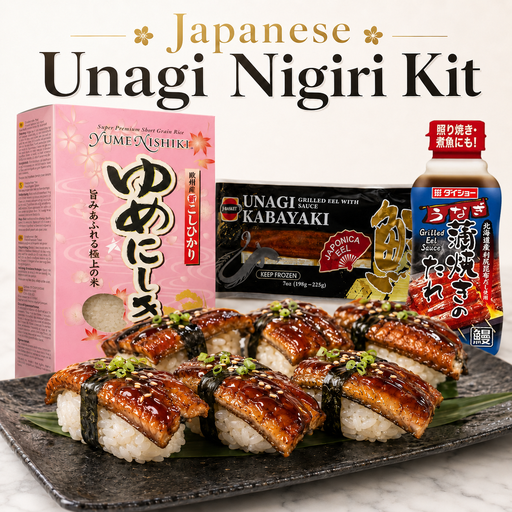
Why This Fits Their Persona: For the cook who wants to move beyond simple rolls and create a specific, impressive dish. This kit provides the key components for unagi nigiri—grilled eel, sauce and rice—that can be hard to source individually.
This is a curated dish kit, not a generic starter kit. It focuses on providing the specific, high-value ingredients needed for an advanced recipe, like authentic unagi eel, rather than cheap fillers.
Offers a convenient path to making a classic, restaurant-style dish at home. The components are selected to work together for an authentic result.
We have compiled a complete, real-time list of products that fully satisfy these strict selection criteria and UK safety regulations.
The main difference lies in the starch content and grain size. Sushi rice is a type of Japanese short grain rice that is high in amylopectin, a sticky starch. This allows the cooked grains to cling together, making them easy to shape for rolls and nigiri. Other rice types, like Basmati or Jasmine, are long-grain and cook up fluffy and separate, making them unsuitable for sushi.
Once opened, nori seaweed sheets can absorb moisture from the air and lose their crispness. To keep them fresh, store them in an airtight container or a resealable bag with a desiccant packet (if one was included). Keep them in a cool, dark and dry place like a pantry. Stored correctly, they should remain crisp for several weeks.
It is not recommended. Standard white wine or malt vinegar is too harsh and lacks the flavour profile needed for sushi. Authentic sushi vinegar is made from rice and has a milder, less acidic taste. It is also pre-blended with sugar and salt to create the balanced sushi-zu flavour. Using a dedicated sushi seasoning will give you a much more authentic and pleasant result.