
24/7 Customer Support

Free returns

Same-day & Next-day Delivery

Quality Guaranteed

Unlock Your Welcome Offers: FREE Delivery | Up to 80% OFF | Free 30-day JoyPlus trial
Download the APP
Crafting authentic Japanese cuisine at home, from delicate sushi rolls to comforting donburi bowls, is a rewarding culinary pursuit. Yet, many home cooks find that achieving that perfect, restaurant-quality texture can be a challenge. The secret often lies not in the filling or the topping, but in the foundation of the dish: the rice. The right sushi rice provides the ideal sticky, yet distinct, texture that holds everything together.
Navigating the options for Japanese rice can feel overwhelming. With terms like short grain, medium grain and premium grades, how do you choose the right one for your needs? This guide is designed to help you understand the key characteristics of quality rice for sushi and provide practical recommendations to elevate your home cooking.
Before you make a selection, understanding a few key factors will ensure you get the results you're looking for.
The most crucial factor in selecting sushi rice is the grain type. Japanese cuisine predominantly uses short or medium-grain rice due to its starch composition.
Long-grain rice, such as basmati or jasmine, is not suitable for sushi as it lacks the necessary starch and cooks up fluffy and separate.
When selecting a bag of premium Japanese rice, look for grains that are uniform in size and have a pearly, semi-translucent appearance. These are indicators of quality milling. The goal is to find a rice that becomes a cohesive, sticky rice mass when cooked, yet allows you to distinguish individual grains. This balance is the hallmark of excellent onigiri rice and sushi.
Traditionally, Japanese rice requires thorough rinsing to remove excess surface starch, which prevents it from becoming overly gummy. However, for those seeking convenience, musenmai rice (no-wash rice) is an excellent innovation. This rice is processed using a special technique that polishes away the excess starch, meaning you can cook it straight from the bag without rinsing. It saves time, water and effort while still delivering a superb texture.
As a Joybuy Product Recommendation Officer, I've filtered through the options to highlight some dependable choices for home cooks. Here are our recommendations for achieving authentic results.
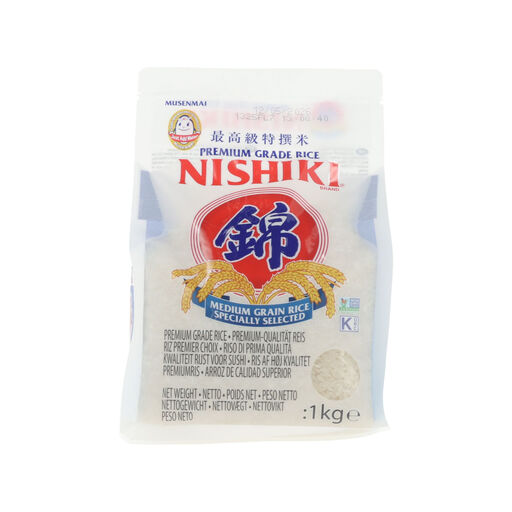
Why It Stands Out: This rice from the well-regarded Nishiki rice brand offers the ultimate convenience. As a musenmai rice, it requires no pre-washing, making it a fantastic choice for quick weeknight meals. Its medium grains cook to a perfect consistency—soft and sticky enough for rolling, but with a firm bite that holds up well in rice bowls.
Pros:
Who is it for? This is ideal for busy home cooks who value convenience but are unwilling to compromise on the authentic taste and texture of Japanese cuisine. It's also a great starting point for those new to making sushi at home.
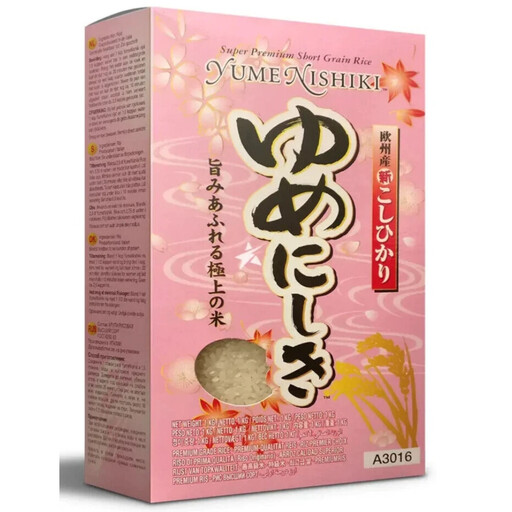
Why It Stands Out: For the purist, the Yume Nishiki ("Dream Nishiki") represents a step up in quality. This is a super premium short grain rice, delivering the classic texture that sushi connoisseurs seek. The grains are plump and round, cooking up to an irresistibly sticky and tender consistency with a natural sweetness.
Pros:
Who is it for? Culinary enthusiasts and dedicated home cooks who want to replicate a truly authentic, restaurant-quality experience. If your goal is perfectly formed nigiri and maki, this is an excellent choice.
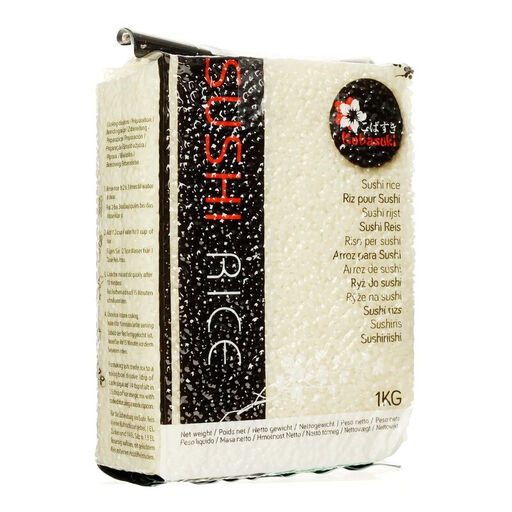
Why It Stands Out: The Kobasuki Japanese Sushi Rice is a fantastic all-rounder. These short grains are selected to provide a reliable balance between stickiness and individual grain integrity. It absorbs sushi vinegar and seasonings exceptionally well, resulting in flavourful, well-structured rolls and bowls.
Pros:
Who is it for? Home cooks looking for a versatile and reliable short-grain rice that performs well across a wide range of Japanese and Asian-inspired recipes. It's a solid workhorse for any kitchen.
These recommendations are a great starting point, but every cook has unique preferences. If you're exploring different varieties or simply need to restock your pantry, you can browse our full collection of rice 1kg bags and other sizes to find the perfect match for your culinary needs.
1. Can I use regular long-grain rice for sushi? It is not recommended. Long-grain rice varieties like basmati and jasmine have a different starch profile (higher in amylose, lower in amylopectin), which causes them to cook up fluffy and separate. They lack the stickiness required to hold sushi rolls or onigiri together.
2. What is the difference between sushi rice and sticky rice? While the terms are sometimes used interchangeably, they typically refer to different types of rice. "Sushi rice" is a Japanese short grain rice that becomes sticky when cooked. "Sticky rice," often called glutinous rice, is common in Southeast Asian cuisine and has a much higher amylopectin content, resulting in a distinctly chewier, denser texture. While sushi rice is sticky, it is not the same as glutinous sticky rice.
3. How should I store my sushi rice? Uncooked rice should be stored in a cool, dry place away from direct sunlight and moisture. After opening the package, it is best to transfer the rice to an airtight container. This helps maintain its freshness, protects it from humidity and prevents pests.