
24/7 Customer Support

Free returns

Same-day & Next-day Delivery

Quality Guaranteed

Unlock Your Welcome Offers: FREE Delivery | Up to 80% OFF | Free 30-day JoyPlus trial
Download the APP
Making authentic Japanese dishes at home, from perfectly formed nigiri to comforting onigiri, starts with one crucial ingredient: the rice. Yet, a quick look at the options can be confusing. Many UK shoppers find themselves with a bag of rice that turns to mush, won't stick together or simply tastes flat. As the Joybuy Product Recommendation Officer, my role is to help you see past the marketing and choose the right grain for the job.
Before you add a bag to your basket, be aware of these common pitfalls that lead to disappointing results and wasted money:
sticky rice texture. This often results in grains that are either too gluey or fall apart the moment you try to shape them.premium Japanese rice is, many high-quality grains are grown from Japanese cultivars in places like Italy, the USA or Vietnam. The key is the rice variety and the quality of the milling, not just the country printed on the front.To ensure you get that fluffy, sticky and slightly sweet result every time, focus on these three non-negotiable parameters.
The foundation of authentic sushi rice is its grain type. This determines the texture and stickiness.
sticky rice without being mushy. If you're serious about making sushi, short grain rice is what you should be looking for.Nishiki rice, offer a medium-grain variety that is a popular all-rounder.The magic of Japanese rice lies in its starch. The high amylopectin content is what creates the stickiness. The preparation process is just as important. Rinsing the rice before cooking washes away excess surface starch, which prevents the final result from becoming gummy.
You might also see the term "Musenmai" (無洗米), which means "no-wash rice." This rice has been processed to remove the sticky outer layer (husk), so it doesn't require rinsing. It's a convenient feature that points to a modern, precise milling process.
While Japan's Koshihikari cultivar is famous, excellent Japanese rice is now cultivated globally. The key is that the product uses a proper Japonica rice variety, which is naturally short or medium-grained and has the right starch properties. Whether it's grown in Italy or Vietnam, a quality-controlled Japonica rice will outperform a generic, poorly milled grain every time.
Instead of providing a simple list, we've matched our recommendations to different types of home cooks. This ensures you get the right product for your specific needs.
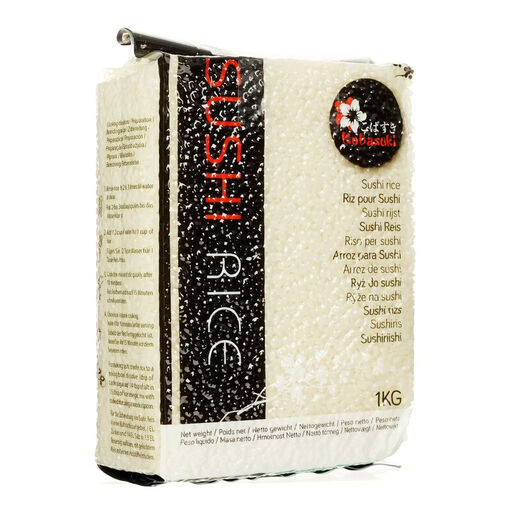
Why This Fits Their Persona: Perfect for those who are dedicated to making authentic sushi and rice for onigiri. The 1kg bag is an ideal size for home use, ensuring freshness without committing to a huge sack. It's specifically selected for sushi, taking the guesswork out of your purchase.
This is a dedicated short grain rice, not a generic grain labelled for sushi. It delivers the high amylopectin content needed for proper stickiness, avoiding the pitfall of rice that falls apart.
Cooks to a glossy, pearly finish with a tender, slightly chewy texture. It absorbs sushi vinegar evenly for authentic flavour.
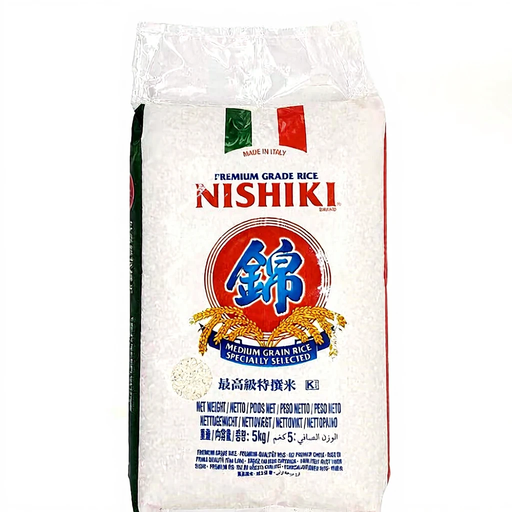
Why This Fits Their Persona: For households that enjoy a variety of Asian dishes, not just sushi. This versatile rice is great for rice bowls, curries and as a simple steamed side. The 5kg bag offers good value for regular family meals.
It avoids the grain-length mix-up by being transparently labelled as medium grain. It's an all-rounder, not pretending to be a specialist sushi rice, which manages expectations perfectly.
Delivers consistent, restaurant-quality results. Its ability to absorb flavours makes it highly versatile for creamy rice salads, soups or as an elegant side dish.
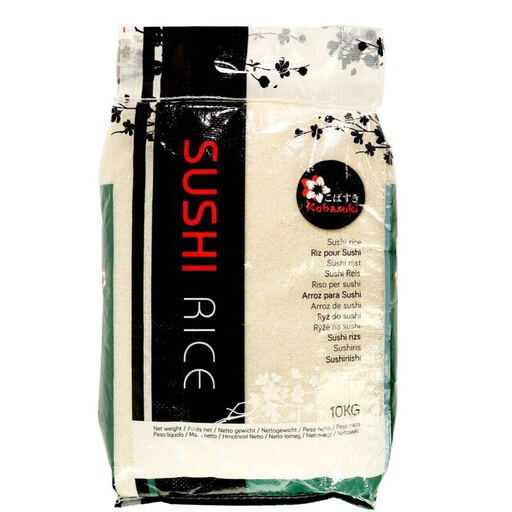
Why This Fits Their Persona: For small restaurant owners, caterers or large families who get through a lot of rice. This bulk sushi rice option provides excellent value without compromising on the quality needed for commercial or frequent use.
It sidesteps the "premium branding" trap by focusing on function. It's a premium round grain rice selected for sushi, offering consistent performance in large quantities, which is more important than a fancy origin story for bulk users.
Delivers a sticky texture and glossy appearance ideal for high-volume sushi and rice bowl preparation. It is naturally gluten-free and suitable for vegans.
We have compiled a complete, real-time list of products that fully satisfy these strict selection criteria and UK safety regulations.
Yes, in most cases. Rinsing the dry rice in cold water until the water runs clear is a vital step. It removes the excess starch powder from the surface of the grains. Skipping this can result in a texture that is overly gummy and clumpy, rather than perfectly sticky. The only exception is if the package is explicitly marked as "no-wash" or "musenmai."
No, you cannot. Long-grain rice varieties like jasmine and basmati have a different starch composition. They are high in amylose, which makes them cook up fluffy and separate. They lack the high amylopectin content needed to make the grains cling together, so your sushi rolls and nigiri would simply fall apart.
Once opened, it is crucial to store your rice correctly to maintain its quality. Transfer the rice from its original bag into a clean, airtight container. Keep it in a cool, dry and dark place like a pantry, away from direct sunlight and moisture. Stored this way, it will be good for many months, but for the best flavour and texture, it is advisable to use it within six months.