
24/7 Customer Support

Free returns

Same-day & Next-day Delivery

Quality Guaranteed

Unlock Your Welcome Offers: FREE Delivery | Up to 80% OFF | Free 30-day JoyPlus trial
Download the APP
Making sushi at home can be affordable, but the rice you choose has a direct effect on whether rolls hold together or fall apart. Many shoppers search for sushi rice, Japanese short-grain rice or sticky rice for sushi without knowing how these descriptions differ.
Marketing language can also make comparison difficult. A glossy image or “restaurant-style” claim does not tell you whether the rice is suitable for your cooking method, how much water it needs or whether the pack size fits your household. This guide explains the practical details to check before buying, followed by recommendations for different types of UK shopper.
Sushi rice is generally a short-grain or round-grain rice with enough surface starch to bind after cooking. It should be cohesive but still retain a defined grain.
Glutinous rice, sometimes called sticky rice, is a different product commonly used for desserts or Southeast Asian dishes. It can become considerably more adhesive and may not provide the texture expected in sushi rolls or nigiri. Check the ingredients and product description for terms such as short-grain rice, round-grain rice or Japanese short-grain rice.
The style of rice and its country of origin are not always the same thing. For example, some products are described as Japanese sushi rice but are produced in Vietnam, Thailand or Italy. This does not automatically make them unsuitable; however, shoppers who specifically want rice grown in Japan should check the packaging rather than relying on front-of-pack wording.
A 5kg or 10kg bag can be practical for a restaurant, catering business or large family, but it requires a suitable storage area. Rice should be kept sealed in a cool, dry place away from sunlight, heat and moisture. After opening, an airtight container can help protect it from pests, odours and humidity.
A smaller sushi rice 1kg pack may cost more per kilogram but can be more sensible for occasional sushi making, particularly if cupboard space is limited.
For rice for sushi rolls and rice for nigiri, look for short-grain or round-grain rice with instructions for rinsing, soaking and resting. These steps help create a cohesive texture without turning the rice into a paste.
Short-grain rice is also suitable for rice for onigiri, donburi and other Japanese dishes. If you want a versatile everyday option, check whether the product description specifically lists these uses.
Medium-grain rice may work for some rice bowls and home-style recipes, but it should not be treated as identical to short-grain sushi rice. The Nishiki Musenmai product listed in the range is a medium-grain rice, so it may suit shoppers prioritising convenience and general meals rather than a dedicated sushi texture.
Rice varieties differ in absorbency, processing and recommended preparation. Several products in this range advise using approximately one part rice to 1.1 or 1.2 parts water, but the instructions on the individual packaging should take priority.
A reliable basic method is:
Avoid vigorous stirring, which can crush the grains and make the mixture overly dense.
Choose a pack size based on your likely consumption:
Dry rice must be cooked thoroughly before eating. Once cooked, cool and refrigerate leftovers promptly, following the product label’s storage guidance. Some packaging recommends consuming cooked rice within 24 hours, while other instructions give a longer period. Always follow the specific label and check the rice before use.
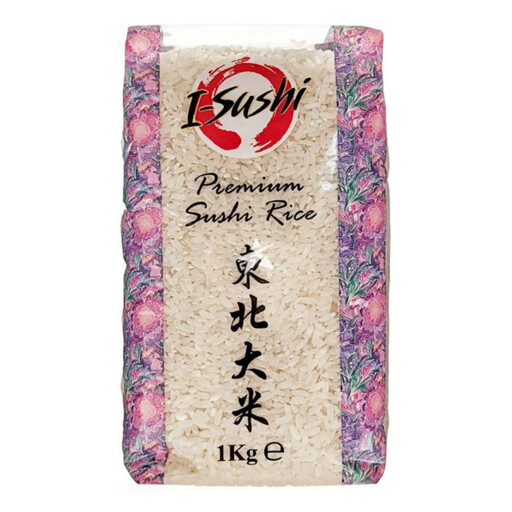
Why This Fits Their Persona: The 1kg quantity is manageable for first attempts, family meals or occasional sushi nights, without committing to a large bag.
The description identifies it as Japanese short-grain rice and provides a specific rice-to-water ratio, rather than relying only on vague “Asian rice” wording.
1kg pack; listed for sushi, onigiri and donburi; cooking guidance is suitable for a hob or rice cooker.
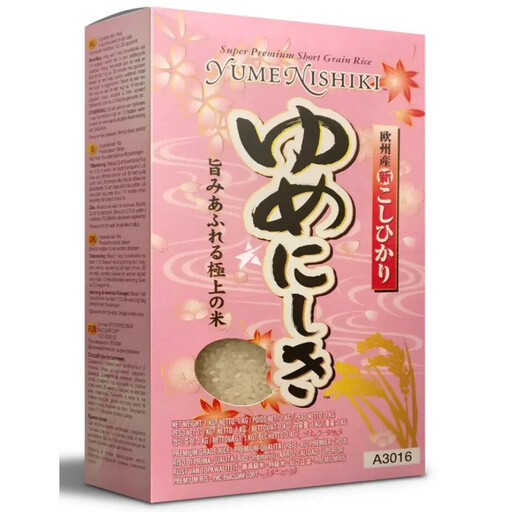
Why This Fits Their Persona: This 1kg short-grain option is aimed at shoppers who want a product for sushi as well as onigiri, donburi and everyday Japanese meals.
The listing states the grain type, ingredients and preparation process, while also identifying its country of origin as Italy rather than implying that it was grown in Japan.
Short, round grains; recommended 1:1.2 rice-to-water ratio; suitable for sushi, onigiri and rice bowls.
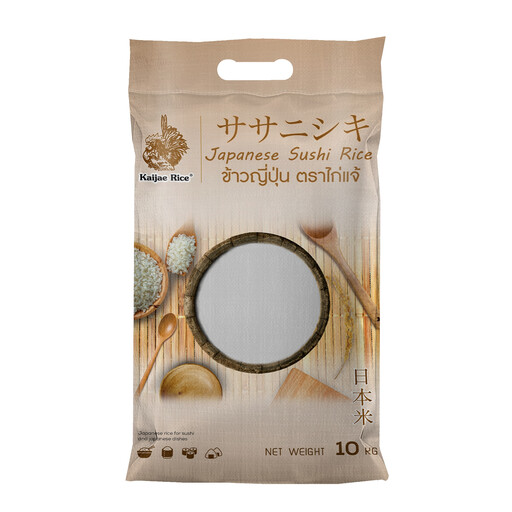
Why This Fits Their Persona: The 10kg quantity is designed for frequent preparation, including restaurant service, catering and larger households with suitable dry storage.
The listing specifies Thai short-grain rice, a 1:1.1 rice-to-water ratio and post-opening storage guidance, making the bulk purchase easier to plan.
10kg net quantity; 100% rice ingredients; instructions include soaking, cooking and resting before vinegar is added.
Other useful pack choices include JK Short Grain Sushi Rice 2kg, JK Short Grain Sushi Rice 5kg and JK Short Grain Sushi Rice 9.07kg. The 5kg option may suit regular family meals or smaller catering orders, while the 9.07kg bag is intended for higher-volume use. For a 500g trial quantity, Obento SUSHI RICE 500G is another practical format.
We have compiled a complete, real-time list of products that fully satisfy these strict selection criteria and UK safety regulations.
Not always. Japanese sushi rice is usually short-grain or round-grain rice, but products may be grown in different countries. Check the grain description, country of origin and cooking instructions to confirm that the product matches your preference.
The recommended amount varies. Many products advise around 1.1–1.2 parts water to one part rice, but the product label and rice cooker instructions should take priority. Rinsing and soaking can also affect the final texture.
Check the printed best-before information and storage guidance. Keep the bag sealed in a cool, dry cupboard, and consider transferring it to an airtight container. For bulk sushi rice, buy only the quantity you can store properly and use within the recommended period.