
24/7 Customer Support

Free returns

Same-day & Next-day Delivery

Quality Guaranteed

Unlock Your Welcome Offers: FREE Delivery | Up to 80% OFF | Free 30-day JoyPlus trial
Download the APP
Making sushi at home can be a rewarding experience, but the foundation of any great roll, nigiri or onigiri is the rice. Get it wrong, and you are left with a crumbly, flavourless meal. With so many options labelled "sushi rice," it is easy to fall into common traps that lead to disappointing results and wasted money. As a Joybuy Product Recommendation Officer, my role is to help you navigate these choices and select the right ingredients for your needs.
This guide cuts through the marketing clutter to focus on what truly matters, helping you avoid these frequent pitfalls:
To ensure you get that restaurant-quality texture and flavour, focus on these two non-negotiable factors when selecting your rice.
The key to authentic sushi is using the correct rice variety. You should always look for rice specifically labelled as Japanese short-grain rice (a Japonica variety). This type of rice has a high content of a starch called amylopectin, which is what makes the grains cling together when cooked. This is why it is often referred to as sticky rice for sushi.
Unlike long-grain rice (like Basmati or Jasmine) which is high in a different starch (amylose) that makes it cook up fluffy and separate, Japanese short-grain rice becomes tender, slightly chewy and sticky enough to be shaped for sushi and onigiri rice balls. Always check the packaging to confirm you are buying a product intended for this purpose.
The term premium sushi rice often refers to grains that are well-polished, uniform in size and have very few broken pieces. A good polish gives the cooked rice a desirable glossy sheen and helps it absorb the seasoning evenly.
Consider your usage habits when choosing a pack size:
To simplify your choice, we have matched some reliable options to different types of home cooks.
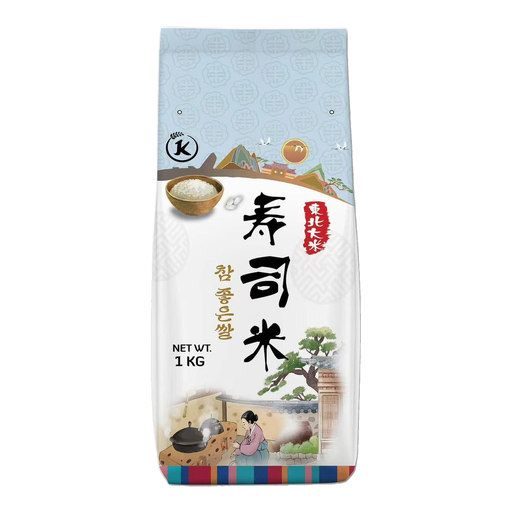
Why This Fits Their Persona: This 1kg pack is the perfect entry point for anyone new to making sushi. It provides enough rice for several meals without the commitment of a large bag, ensuring you are always using fresh ingredients for the best texture and flavour.
It is specifically selected Japanese short-grain rice, avoiding the "any rice will do" pitfall. The manageable 1kg size prevents waste and the problem of rice going stale.
Delivers consistent stickiness and a tender texture. It is a reliable and affordable way to achieve authentic results from your first try.
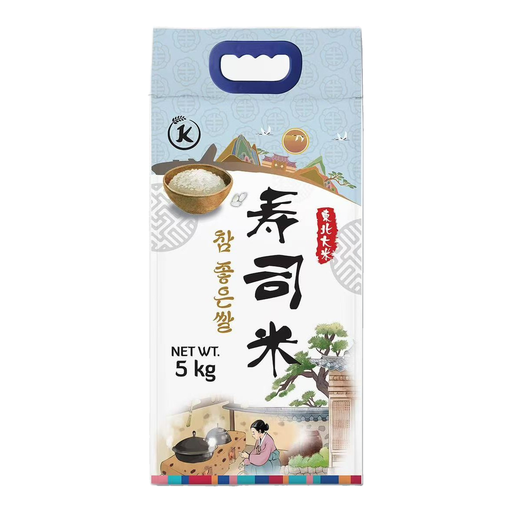
Why This Fits Their Persona: For families or enthusiasts who make sushi or other Japanese dishes weekly, this 5kg bag offers excellent value. It ensures you have a steady supply of quality rice on hand, making it a practical and economical choice for regular use.
This pack size strikes the right balance, avoiding the high per-kilo cost of small bags and the risk of spoilage that comes with oversized bulk purchases for a typical household.
Provides consistent, restaurant-grade quality in a cost-effective format. The rice cooks to a soft, cohesive texture ideal for a range of Japanese dishes.
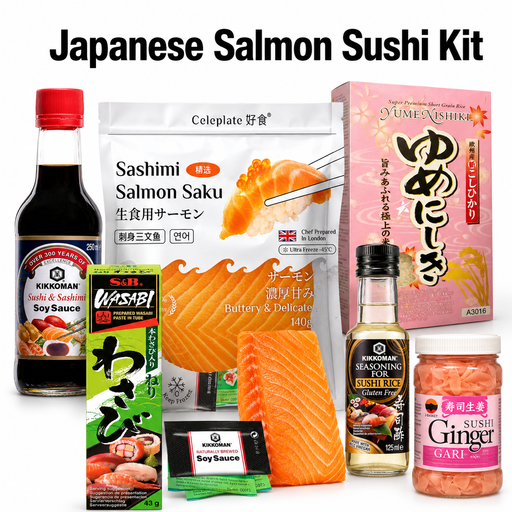
Why This Fits Their Persona: This kit is designed for those who want to dive into sushi making without the hassle of sourcing every ingredient. It includes premium rice, seasoning, salmon, wasabi, ginger and soy sauce—everything needed for a complete experience.
This sushi making kit completely removes the guesswork. It solves the pitfall of forgetting key components like sushi vinegar and ensures all ingredients are correctly matched for authentic flavour.
Ultimate convenience. It provides a curated selection of quality components, making it easy to create a delicious and authentic sushi meal at home from the very first attempt.
We have compiled a complete, real-time list of products that fully satisfy these strict selection criteria and UK safety regulations.
No, it is not recommended. Long-grain rice like jasmine and basmati has a different starch composition that causes the grains to cook up fluffy and separate. They will not hold their shape for sushi rolls or nigiri, as they lack the necessary stickiness of proper Japanese short-grain rice.
While sushi rice is a type of sticky rice, the term "sticky rice" can also refer to glutinous rice used in Southeast Asian desserts and savoury dishes (like mango sticky rice). This glutinous rice is even stickier and has a different texture. For sushi, you should always look for rice specifically labelled as "sushi rice" or "Japanese short-grain rice" to get the correct consistency.
A good general guideline is to use approximately 100-150 grams of uncooked rice per person if sushi is the main course. This will yield about 300-450 grams of cooked and seasoned rice, which is enough for two to three full-sized rolls or a generous portion of nigiri.