
24/7 Customer Support

Free returns

Same-day & Next-day Delivery

Quality Guaranteed

Unlock Your Welcome Offers: FREE Delivery | Up to 80% OFF | Free 30-day JoyPlus trial
Download the APP
Creating authentic, restaurant-quality sushi at home begins not with the fish, but with the rice. It is the foundation of every roll and nigiri. Yet, navigating the options for sushi rice can be surprisingly complex. As a Joybuy Product Recommendation Officer, my role is to help you see past the marketing and focus on what truly matters for your kitchen. This guide will help you avoid common purchasing mistakes and select the right rice for your needs.
Many home cooks are disappointed with their homemade sushi, often because they've fallen into one of these simple traps. A little knowledge can save you both money and frustration.
To ensure you get the right product, focus on these three key factors rather than just the branding.
Grain Type: The Non-Negotiable Foundation The only suitable rice for sushi is Japanese short grain rice (from the Japonica family). Its unique starch composition, high in amylopectin, is what gives it the desired stickiness and tender, chewy texture. When cooked, the grains cling together without turning into a paste, making them perfect for shaping. This is also the ideal rice for onigiri. Long-grain varieties like Basmati or Jasmine rice lack this property and will simply fall apart.
Polish and Consistency: The Mark of Quality Good premium sushi rice is well-polished. This process removes the outer bran layer, resulting in pearly white grains that cook evenly and absorb seasoning well. Look for a bag with uniform, unbroken grains. A high percentage of broken grains can lead to an uneven, mushy texture as they release too much starch during cooking.
Pack Size: Matching Your Consumption Rice does not last forever; its flavour and texture degrade over time. Buying the right pack size is a practical decision.
Based on these practical criteria, here are a few options matched to different types of home cooks in the UK.
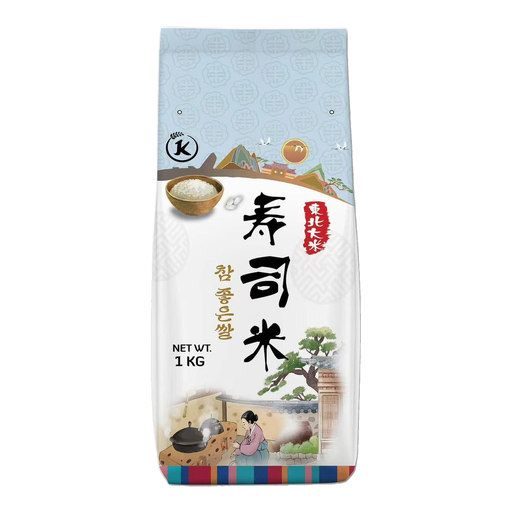
Why This Fits Their Persona: The 1kg pack is the perfect size for experimenting without commitment. It is a reliable, standard short-grain rice that provides a consistent result, helping a beginner build confidence in their sushi-making skills.
This is a true Japanese short grain rice, not glutinous rice, ensuring the correct texture for sushi. The clear product labelling helps you avoid the common "sticky rice" mix-up.
Provides the essential stickiness and tenderness needed for sushi and onigiri. The packaging includes clear cooking instructions, which is helpful for beginners.
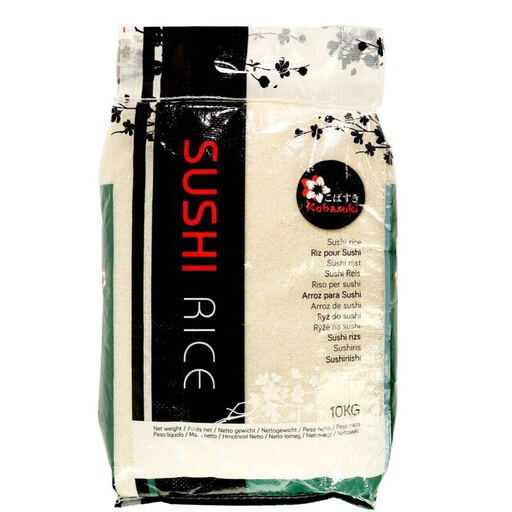
Why This Fits Their Persona: For a small business, caterer or a family that consumes a lot of rice, this bulk sushi rice pack offers great value. It provides a large quantity of reliable round-grain rice suitable for consistent commercial or heavy-use applications.
This avoids the "premium" price trap by offering a cost-effective solution without compromising on the essential qualities. It focuses on the core requirement: a sticky, round-grain rice that performs well.
The 10kg size is economical for frequent use. The rice is specifically selected for its sticky texture and glossy finish, making it ideal for professional-looking sushi and rice bowls.
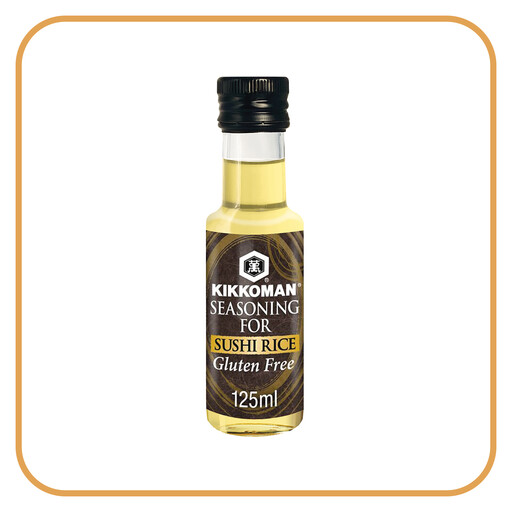
Why This Fits Their Persona: For those who want authentic flavour without the hassle of measuring and mixing vinegar, sugar and salt, a pre-made seasoning is the perfect shortcut. It guarantees a consistent, balanced taste every time.
This directly solves the "forgetting the seasoning" pitfall. It takes the guesswork out of achieving the correct sweet, sour and salty balance that defines authentic Japanese rice for sushi.
Extremely convenient and ready to use. Provides a reliable, classic sushi rice flavour from a well-known brand, ensuring consistent results with minimal effort.
We have compiled a complete, real-time list of products that fully satisfy these strict selection criteria and UK safety regulations.
Here are answers to a few common questions that arise when preparing sushi rice at home.
1. How do you properly cook sushi rice? Learning how to cook sushi rice is a process, but a simple method yields great results.
2. Can I use Basmati or Jasmine rice for sushi? No. While excellent for other cuisines, these are long-grain rice varieties. They lack the necessary starch profile to become the sticky rice for sushi that holds its shape. They will remain fluffy and separate, making it impossible to form nigiri or maki rolls. Always use Japanese short grain rice.
3. What is the correct way to season sushi rice? The traditional seasoning is a mixture of rice vinegar, sugar and salt. A common ratio is 3 tablespoons of rice vinegar, 2 tablespoons of sugar and 1 teaspoon of salt for every 300g of uncooked rice. Gently heat the mixture until the sugar and salt dissolve, then fold it into the hot, cooked rice. For convenience, you can also use a pre-mixed sushi vinegar seasoning, which offers a perfectly balanced flavour without any extra steps.