
24/7 Customer Support

Free returns

Same-day & Next-day Delivery

Quality Guaranteed

Unlock Your Welcome Offers: FREE Delivery | Up to 80% OFF | Free 30-day JoyPlus trial
Download the APP
Making authentic Japanese cuisine at home, from perfectly formed nigiri to comforting donburi bowls, is a rewarding experience. Yet, the foundation of it all—the rice—is often where things go wrong. Many UK home cooks find their sushi falls apart or lacks the right texture, and the issue often starts at the point of purchase. Before you buy your next bag, it's worth knowing the common pitfalls that can lead to disappointing results and wasted money.
As a Joybuy Product Recommendation Officer, my role is to help you navigate the options. Here are the key traps to avoid:
premium Japanese rice cultivars are grown in Italy, Vietnam or the USA using Japanese techniques, often providing better value than imports with hefty price tags but little information on the grain itself.bulk sushi rice bag seems economical, but for a household that only makes sushi once a month, it can lose its freshness and aroma long before it's finished. Conversely, small 500g boxes can be disproportionately expensive for regular use.To ensure you get the right product, focus on these non-negotiable parameters rather than just the marketing.
The key to authentic rice for sushi is the Japonica variety. This type of Japanese short grain rice is characterised by its high content of a starch called amylopectin. When cooked, this starch breaks down to create the signature stickiness that allows the grains to cling together, which is essential for shaping sushi and onigiri. In contrast, long-grain rice like Basmati or Jasmine is high in amylose, which results in fluffy, separate grains. Always check that the packaging specifies it is Japanese-style short-grain rice suitable for sushi.
The term "premium" often refers to the degree of milling, or polishing, the rice has undergone. The more the outer bran layer is polished away, the whiter, glossier and purer-tasting the rice becomes. A higher polish allows the grains to absorb the seasoned sushi vinegar more evenly, resulting in a more balanced flavour and a beautiful sheen. While not always essential for a casual meal, a well-polished rice makes a noticeable difference in presentation and texture.
While Japan produces some of the world's most sought-after rice, focusing solely on the country of origin can be limiting. Pay attention to the cultivar, such as Koshihikari or Akitakomachi. These specific types are now successfully cultivated worldwide. A bag of Italian-grown Koshihikari, for example, can deliver the authentic texture and flavour you need, often at a more accessible price point.
To help you choose, here are a few recommendations matched to different types of home cooks.
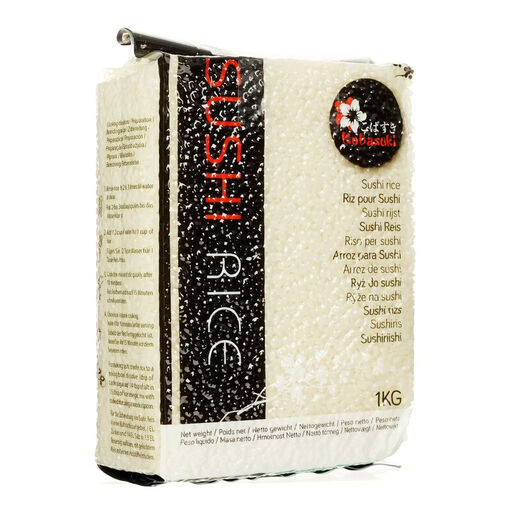
Why This Fits Their Persona: Perfect for those who make sushi or other Japanese dishes occasionally. The 1kg bag is a practical size that ensures the rice is used while it's still fresh, without committing to a large, space-consuming sack.
This avoids the "wrong pack size" pitfall by offering just enough rice for several meals without the risk of it going stale or attracting pests before you can finish it.
Specially selected for a good balance of stickiness and flavour, making it a reliable and forgiving choice for beginners learning to make sushi rolls.
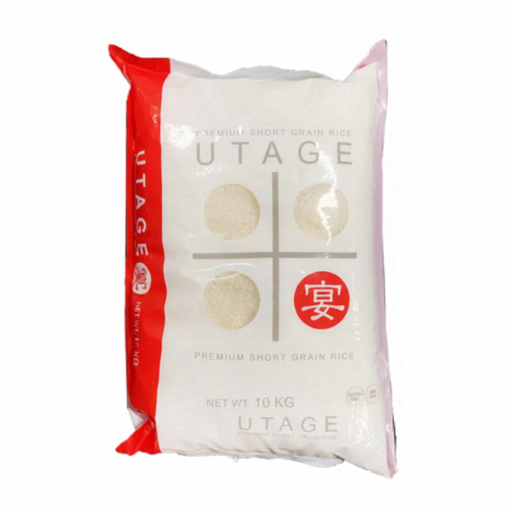
Why This Fits Their Persona: Ideal for families or individuals who cook Japanese food frequently. This large 10kg bag offers excellent value for money and ensures you always have high-quality rice on hand for everything from sushi nights to quick weekday donburi bowls.
By buying in bulk, you avoid the higher per-gram cost of small packages. This rice is cultivated using Japanese techniques, ensuring quality without the "premium" import price tag.
A versatile, all-purpose Japanese rice with a fluffy texture and gentle stickiness. It's a reliable workhorse for a wide range of dishes, not just sushi.
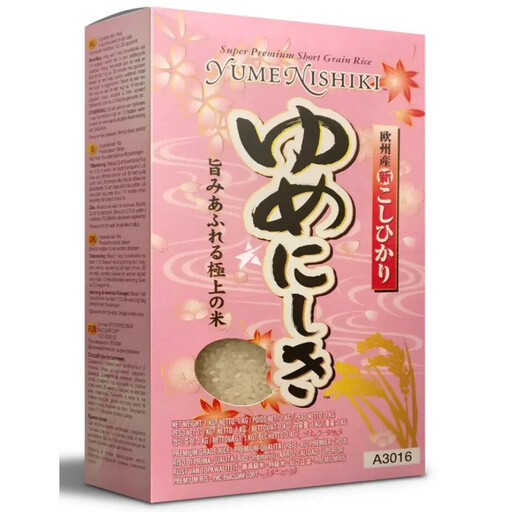
Why This Fits Their Persona: For the discerning cook who wants to replicate a restaurant-quality experience at home. This rice is for those who appreciate the subtle nuances of texture, aroma and natural sweetness in their rice.
This rice delivers on its "Super Premium" name. It avoids the trap of overpaying for branding by providing a genuinely superior grain with exceptional plumpness and flavour.
Delivers a delicate, irresistibly sticky and tender texture. The natural sweetness and aromatic qualities elevate any dish, from simple nigiri to a refined side.
Sometimes you crave the taste of Japanese food without the time to cook. The versatility of rice extends to a fantastic range of ready-to-eat snacks and desserts. For a quick lunch, an onigiri like the FRESHASIA Teriyaki Chicken Onigiri offers a complete, flavourful meal. For those with a sweet tooth, treats made from glutinous rice flour, such as Kitakyu Sakura Mochi (a traditional mochi rice cake) or chewy Minato Seika Kushi Dango, provide an authentic taste of Japanese desserts.
We have compiled a complete, real-time list of products that fully satisfy these strict selection criteria and UK safety regulations.
The primary difference lies in the starch content. Sushi rice is a short-grain Japonica variety with high levels of amylopectin, which makes it sticky and glutinous when cooked. This allows it to be shaped. Regular rice, like the long-grain Indica varieties (Basmati, Jasmine), is high in a different starch called amylose, which results in fluffy, separate grains that are not suitable for making sushi.
To maintain the quality of a large bag of rice, store it in a cool, dry and dark place. Once opened, it is advisable to transfer the rice to a large, airtight container. This protects it from moisture, which can cause clumping and mould, as well as from pests. Proper storage preserves the rice's flavour, aroma and cooking properties for many months.
Absolutely. Its versatile texture makes it the perfect base for many other Japanese dishes. It is the standard rice used for onigiri (rice balls), donburi (rice bowls topped with meat or fish) and as a side for Japanese curries and teriyaki dishes. A slightly different type, glutinous rice (or sweet rice), is used to make desserts like mochi rice cake and dango.