
24/7 Customer Support

Free returns

Same-day & Next-day Delivery

Quality Guaranteed

Unlock Your Welcome Offers: FREE Delivery | Up to 80% OFF | Free 30-day JoyPlus trial
Download the APP
Making authentic Japanese food at home, from delicate sushi rolls to comforting onigiri, starts with one crucial ingredient: the rice. Yet, a quick search for sushi rice can leave you scrolling through dozens of options, many with confusing labels. It’s easy to make a wrong turn and end up with a sticky, mushy mess instead of the perfectly formed grains you envisioned.
As the Joybuy Product Recommendation Officer, my role is to help you navigate these choices. We will look past the marketing and focus on what truly matters. Many home cooks in the UK fall into a few common traps, such as grabbing the wrong type of "sticky rice" or buying a pack size that doesn't suit their needs. Let's clarify the essentials so you can choose with confidence.
Before you add a bag to your basket, be aware of these frequent missteps that can compromise your cooking.
To ensure you get the right product for perfect sushi and onigiri, focus on these three non-negotiable parameters.
The single most important factor is the grain itself. You must look for rice specifically labelled as Japanese short grain rice (Oryza sativa subsp. japonica). These grains are short, plump and contain the ideal ratio of amylose and amylopectin—the two starches that determine texture. This balance allows the cooked grains to cling together (making them a perfect sticky rice for shaping) while remaining distinct and not turning to mush. Long-grain rice like Basmati or Jasmine will not work, as they are cultivated to cook up fluffy and separate.
The "polish" refers to how much of the outer bran has been milled away. A good quality premium sushi rice will be well-polished, resulting in a glossy appearance and a clean flavour that allows the sushi vinegar seasoning to shine. While not always advertised, fresher, "new crop" rice (shinmai) generally has a higher moisture content, leading to a softer, more aromatic result.
Consider how often you'll be making Japanese dishes.
Based on these practical criteria, here are a few selections matched to different types of home cooks in the UK.
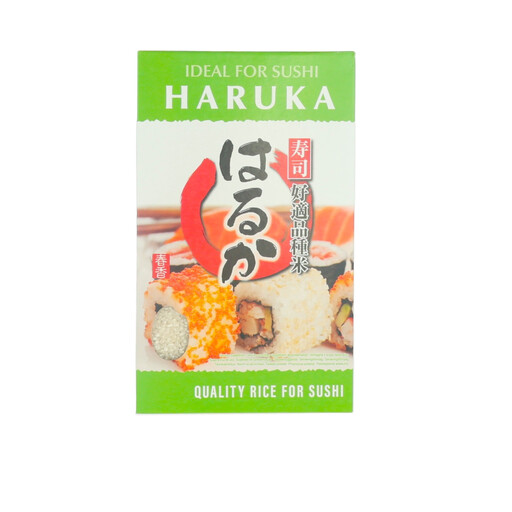
Why This Fits Their Persona: Perfect for those new to Japanese cooking or who make sushi a few times a year. The 1kg bag is a low-commitment way to get started without worrying about long-term storage or waste.
This is a dedicated Japanese short grain rice, not a generic "sticky rice," ensuring the correct texture. The manageable 1kg size prevents the rice from going stale before it can be used.
Delivers consistent, reliable cooking results. It cooks up with the ideal sticky yet tender texture needed for both sushi and onigiri.
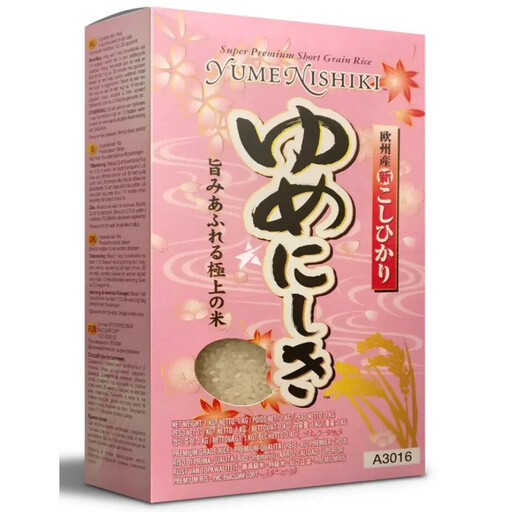
Why This Fits Their Persona: For the cook who wants to replicate restaurant-quality sushi at home. They appreciate the nuances of texture and flavour and are willing to invest in a premium sushi rice for superior results.
This avoids the trap of vague "premium" labels. Nishiki rice is a well-regarded brand known for its quality control, delivering the specific plumpness and delicate sweetness expected from a high-grade grain.
Produces exceptionally tender and aromatic rice. The grains hold their shape beautifully while having a satisfying, sticky mouthfeel perfect for high-end nigiri and rolls.
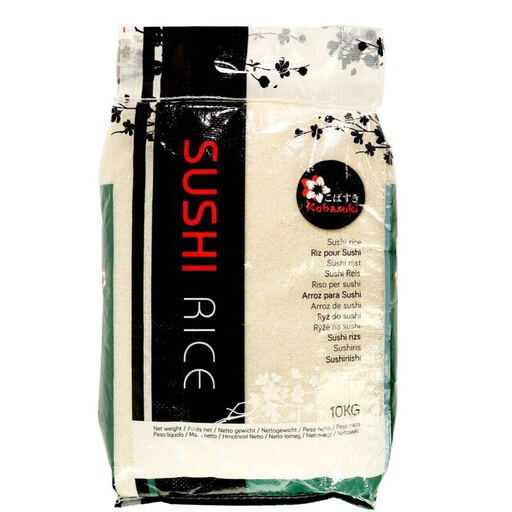
Why This Fits Their Persona: An excellent choice for large families, meal-preppers or small catering businesses who use sushi rice frequently. This bulk sushi rice bag offers significant cost savings over smaller packs.
This directly addresses the value-for-money trap. By buying in bulk, the cost-per-serving is much lower, and you are still getting a product specifically selected for sushi, ensuring reliable performance.
Great economy for high-volume users. The rice provides a consistent sticky texture and glossy finish, making it a dependable staple for all Japanese rice dishes.
We have compiled a complete, real-time list of products that fully satisfy these strict selection criteria and UK safety regulations.
Yes, this step is essential. Rinsing the dry rice in cold water until the water runs clear removes excess starch from the surface of the grains. If you skip this, the cooked rice will be overly gummy and clumpy rather than having the desired texture of distinct, sticky grains.
No, you should not. These are long-grain rice varieties that are low in the amylopectin starch that makes sushi rice sticky. They are cultivated to cook up light and fluffy, meaning they will not hold together when you try to form sushi rolls or nigiri.
To maintain freshness and prevent pests, store your rice in a cool, dry and dark place. After opening the original bag, it is highly recommended to transfer the rice into a large, airtight food-grade container. This protects it from moisture, odours and insects, preserving its quality for months.