
24/7 全天候客户支持

免费退货

当日/次日达

品质保障

开启新人专享福利: 全场免邮 | 低至 2 折 | 免费试用 30 天 JoyPlus 会员
下载 Joybuy
Buying sustainable everyday products in the UK can feel more complicated than it should. Packaging may use green colours and words such as “natural”, “eco” or “planet-friendly”, while important details about materials, certification, durability and disposal remain unclear.
As the Joybuy Product Recommendation Officer, I focus on filtering out vague marketing language so you can compare practical features before spending money. Whether you are shopping for organic baby products, bamboo toilet roll, gardening supplies or family pantry staples, these checks can help prevent disappointing purchases.
A natural-looking package does not necessarily explain where a material comes from, how it was produced or how it should be disposed of. Look for specific information such as 100% organic cotton, GOTS certification, bamboo fibre content or a peat-free formulation rather than relying on general environmental wording.
A reusable or lower-impact item only makes sense if it works for your household. Thin fabric may wear quickly, compost may drain poorly, and a toilet roll that needs frequent replacement may offer less convenience than expected. Check dimensions, thickness, absorbency, capacity and care instructions alongside environmental credentials.
Sustainable shopping still requires normal product checks. Baby items need appropriate sizing and safety guidance, compost should suit the plants you grow, and toilet paper must be compatible with your household plumbing. Toys such as a LEGO NINJAGO spinner also need age guidance and small-parts warnings, regardless of how long they may be used.
For textiles, read the fibre composition rather than only the product name. A GOTS-certified item provides a clearer standard to consider than an unspecified “eco fabric”. For example, the aden + anais sleeping bag is described as 100% organic cotton muslin and GOTS certified. Its listing also states that it conforms to BS EN 16781:2018, a relevant British safety standard for children’s sleeping bags.
For household paper, compare the stated fibre source, ply and packaging. A bamboo toilet roll made without virgin wood pulp and supplied in plastic-free paper packaging may suit shoppers seeking sustainable household essentials, but you should still check sheet count and storage requirements.
A product can reduce waste only when it remains useful for its expected lifespan. Consider:
For instance, four-layer muslin bibs may be more suitable for frequent feeding and burping than a single-layer cloth, while a 50-litre compost bag may be more practical for several pots or garden containers than a smaller pack.
Check warnings before purchase, particularly for products used by babies or children. A sleeping bag should fit correctly around the neck and armholes, and loose bedding should not be added during sleep. Bibs should be removed before sleep and used with supervision.
For gardening, confirm whether the compost is suitable for seed sowing, cuttings, containers and beds. For food, read allergen information carefully: natural peanut butter still contains peanuts and may include traces of other nuts or sesame seeds.
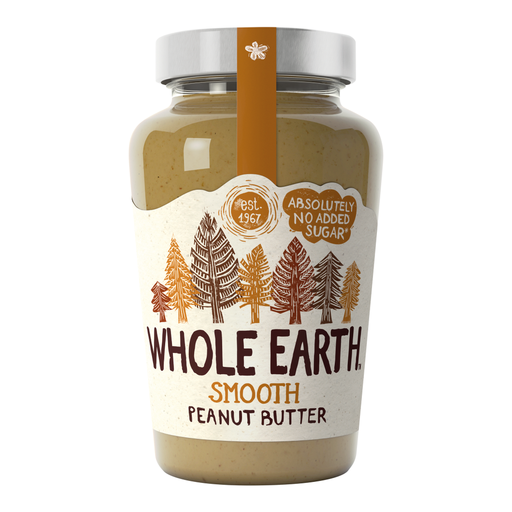
Why This Fits Their Persona: A straightforward pantry staple for households beginning to make more considered everyday choices without adding complexity to the weekly shop.
The ingredient list states roasted peanuts at 100%, avoiding the need to compare a long list of added sweeteners, flavourings or preservatives.
Smooth texture; 454g size; no added sugar or hydrogenated fats listed. Contains peanuts, so allergen information must be checked.
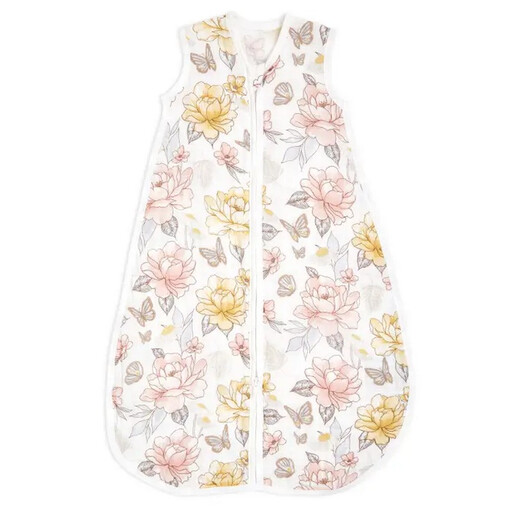
Why This Fits Their Persona: Suitable for parents who want certified organic baby products with a clearly stated TOG rating and practical night-time features.
The listing specifies 1.0 TOG, 0–6-month suitability, organic cotton muslin and BS EN 16781:2018 conformity instead of relying only on comfort language.
Single-layer breathable muslin; inverted bottom zip for nappy changes; machine-washable care instructions.
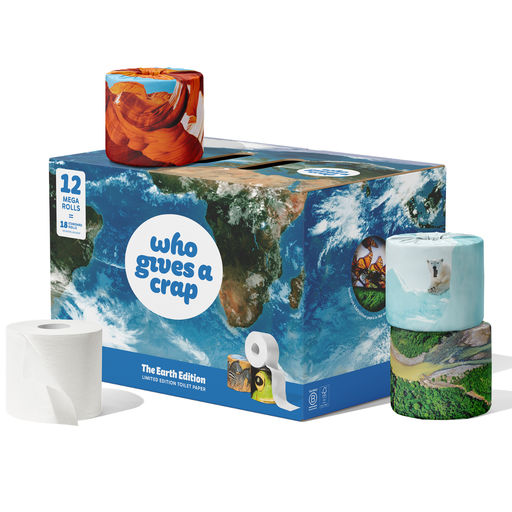
Why This Fits Their Persona: A practical option for larger households seeking fewer roll changes and paper-based packaging for regular bathroom use.
The product specifies bamboo fibre, three-ply construction, double-length rolls and no inks, dyes or scents, making the comparison more concrete.
Three-ply format; 270–370 sheets per roll depending on regional version; plastic-free paper packaging.
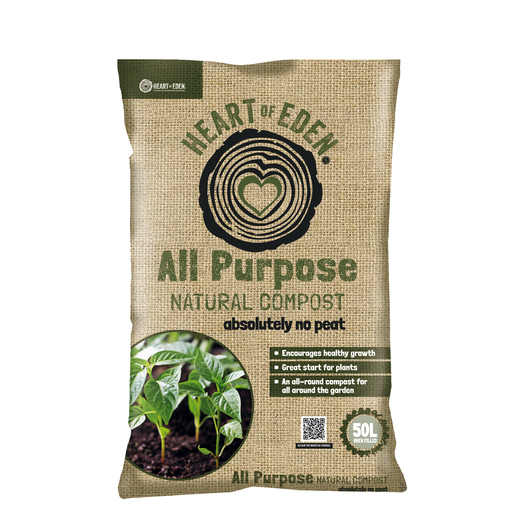
Why This Fits Their Persona: Designed for UK gardeners who need one compost for indoor plants, containers, seed sowing, cuttings and outdoor beds.
It states a 100% peat-free formulation and identifies organic green compost and composted bark, rather than using only a broad eco-friendly label.
50-litre bag; designed to feed plants for up to six weeks; moisture retention with drainage.
For families, organic cotton muslin squares and two-in-one burpy bibs can reduce the need to buy separate cloths for feeding, burping and everyday spills. Compare the number of layers, dimensions and washing instructions rather than assuming every muslin square has the same absorbency.
For personal care, a waterproof brow pencil may be suitable when long wear is the priority, but check the actual product description, shade and removal instructions. Environmental claims should not replace basic suitability checks.
For gifts, a building toy such as the LEGO NINJAGO 71850 Lloyd vs. Earth Monster Spinner offers a reusable play activity for children aged six and above. Its small-parts warning and age guidance should be considered before purchase.
Start with specific material details, recognised certifications where relevant, durability information, packaging materials and disposal instructions. Also check whether the item suits your actual household use. A product that lasts longer or replaces several single-purpose items may be more practical than one with vague environmental wording.
Not always. Compare cost per use rather than only the shelf price. Double-length toilet rolls may require fewer replacements, while durable muslin products can be washed and reused. For compost, a larger bag may offer better value if you regularly fill containers or garden beds, but storage space and freshness still matter.
Lifespan depends on the material, frequency of use and care. Follow washing and storage instructions, keep bamboo toilet roll dry, and inspect baby textiles for damage. For consumables such as peanut butter and compost, follow the packaging’s storage and best-before guidance rather than assuming a long shelf life.