Weekly batch roasters
If you prepare several portions at once, check how many of your trays fit on usable shelf levels. A quoted cavity capacity and a fan function are starting points, not a guarantee that every tray will roast alike.


For several trays of sweet potatoes in an existing single-oven housing, start by comparing full-size built-in fan ovens: usable tray space, shelf positions and stated multi-level functions matter more than cavity litres alone. Consider a taller built-in double oven if you regularly need separate cooking zones and have room for it. Whichever format you choose, check the installation drawing, electrical connection and cleaning method for the exact model; a maker’s airflow claim is not independent proof of even browning.
If you prepare several portions at once, check how many of your trays fit on usable shelf levels. A quoted cavity capacity and a fan function are starting points, not a guarantee that every tray will roast alike.
If a built-in oven is replacing an existing appliance, cabinet fit and the available electrical connection can determine which formats are practical before you compare cooking features.
If repeated roasting makes cleanup a regular chore, compare the cleaning method on the exact model. Catalytic surfaces, steam-assisted programmes and pyrolytic programmes involve different procedures.
Choose the oven format around the cooking job: one cavity for a batch of similar food, or separate cavities when dishes need different conditions. Then check tray fit, installation and the features you will use repeatedly.
Choose it when: You want one cavity for trays of sweet potatoes and have housing suited to a built-in single oven.
Trade-off: One quoted capacity cannot tell you how many of your trays fit or how evenly different shelves cook.
Choose it when: You regularly cook another dish separately and have space for the taller built-in format.
Trade-off: Two cavities do not necessarily give you more usable tray space in the main cavity for one large batch.
| Concern | What to check | Who this matters to |
|---|---|---|
| Tray space and even roasting | Compare cavity layout, usable shelf positions and the stated fan or multi-level function. Look for independent heat-distribution results for the exact model where available. | I want to roast several trays in one session without assuming a large litre figure means they will all fit or brown alike. Around 36% of consumers put usable tray space and even roasting first. |
| Fit and installation | Match the installation drawing to the cabinet opening and confirm the model’s electrical connection requirements. | When replacing an integrated oven, I need the new appliance to fit the housing and connect safely before its cooking features matter. For around 29% of consumers, fit and installation come first. |
| Cleaning after roasting | Identify the exact cleaning surfaces or programme and read the model’s instructions for using them. | Frequent batches mean I will deal with roasting residue often, so I want a cleaning method whose routine suits me. Around 21% of consumers prioritise cleanup. |
| Energy information | Compare the energy label and product information sheet for the exact models alongside their size and cooking functions. | If several ovens meet my cooking needs, I want to compare their stated energy information rather than rely on a headline claim. This is the primary concern for around 14% of consumers. |
Ovens with similar stated capacities can differ in cavity shape, shelf spacing and tray fit. A larger litre figure alone cannot establish how many trays of sweet potatoes you can roast at once.
Compare your tray dimensions with the exact model’s internal arrangement, and check which shelves and trays are supplied.
Electrical Safety First notes that oven connection requirements vary: some use a plug, while others require hardwiring or a dedicated circuit. The appliance must suit the available installation.
Check the exact model’s connection requirements before ordering. Ask a qualified electrician to assess the installation where required or if you are unsure.
A different connection requirement may also mean arranging electrical work before the oven can be installed.
Manufacturers describe their fan and multi-level systems in different ways. Those descriptions do not establish that separate models brown the same food equally evenly.
Use stated functions to shortlist ovens, then consult independent results for heat distribution and temperature-control accuracy on the exact model where available. Which? assesses both in its oven testing.
An energy class does not describe how an oven will perform across every batch size or cooking pattern.
Read the exact model’s energy label and product information sheet alongside its capacity and functions. GOV.UK provides guidance on energy information for products within the applicable rules.
These model and feature-family examples can help you decide what to check; they are not independent performance comparisons or a list of brands available in the product selection below.
A reference point for a full-size built-in single fan oven with a stated large cavity.
A reference point if stated multi-level cooking and a choice of cleaning methods matter to your routine.
Relevant when comparing ovens with a stated hot-air system for cooking on several levels.
A reference point for comparing model-specific fan-cooking and cleaning features.
These built-in single and double ovens offer different starting points for roasting in batches. Choose the format that fits your kitchen and cooking routine, then check usable tray space and the exact model’s installation and cooking instructions.
 No image available
Consider the double-oven format if you want a separate cooking cavity alongside a batch of sweet potatoes. This is a 90cm built-in model: confirm that its housing requirements suit your kitchen and that the main cavity fits your intended trays.
Check the electrical connection requirements before ordering; the double format alone does not establish how much tray space one batch will have.
 No image available
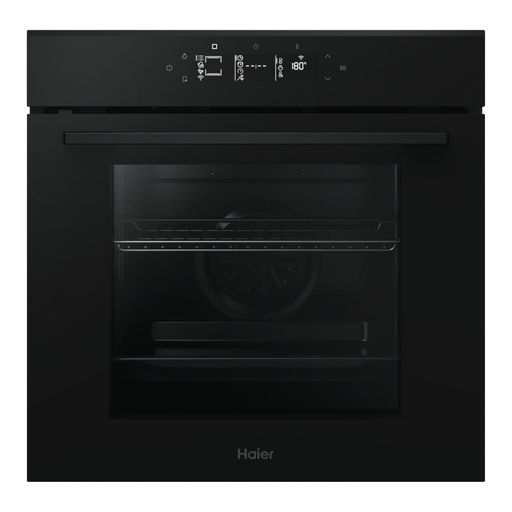
This built-in oven is worth comparing if you want one cavity for several portions. Its stated capacity is 70 L, but check the shelf arrangement and whether your trays fit before deciding how many you can roast together.
If multi-level results are decisive, compare the exact model’s cooking instructions with independent test results where available. Confirm its electrical connection requirements for your installation.
 No image available
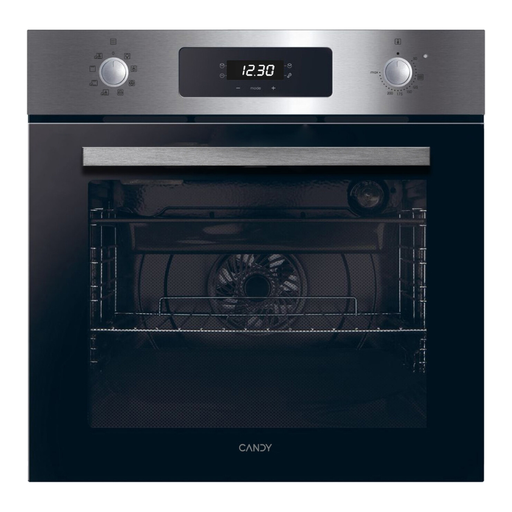
The stated 70 L capacity makes this a model to assess for cooking several portions in one cavity. Check usable tray dimensions and shelf positions rather than treating litres as a tray count.
If airflow across multiple trays matters, confirm the exact cooking modes. Compare the official energy information for this model, as the listing uses differing energy-class wording.
 No image available
A built-in single oven is a route to consider when you want one cavity for the batch. For this model, check the usable shelf positions, supplied accessories and fit for your trays before choosing it for multi-tray roasting.
Compare the installation instructions with your housing and electrical setup; a stated multi-level cooking function would not, by itself, prove even browning.
 No image available
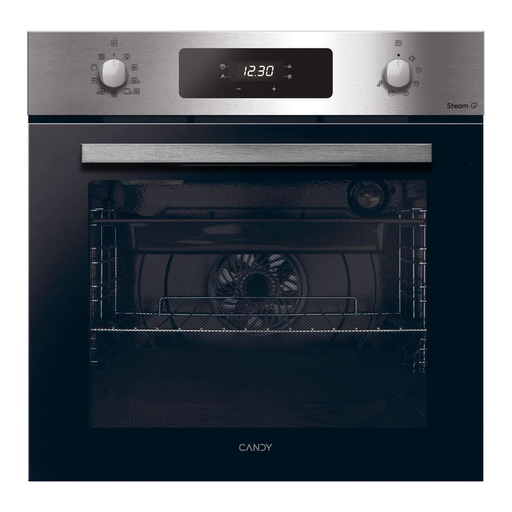
Consider this single-oven format if you roast batches in one cavity and want to compare a pyrolytic cleaning option. Follow the exact model’s instructions for preparing and running its cleaning cycle.
Check tray fit, the installation cut-out and electrical connection requirements before ordering. Fan-assisted wording alone does not establish even results across shelves.
Choose a full-size single oven when one cavity for trays of the same food is your priority; consider a built-in double oven when you regularly need separate cooking zones. Check each cavity’s usable dimensions and shelf positions rather than assuming that two cavities provide more room for one batch: built-in doubles are taller, while the main cavity in a built-under double can be smaller.
No: it is a useful feature to check, not proof that every tray or recipe will brown identically. Compare the exact model’s stated function and look for independent heat-distribution and temperature-control results where available; Which? assesses those measures in its oven testing.
Match the cabinet opening to the exact model’s installation drawing, then confirm its electrical connection requirements. Electrical Safety First notes that requirements differ between ovens; arrange assessment by a qualified electrician where fitting requires it or the existing connection is uncertain.
Use the energy label and product information sheet for each exact model where they apply, alongside the cavity size and functions you need. GOV.UK’s guidance addresses energy information for products within the applicable rules; an energy headline alone cannot predict usage for every batch-cooking routine.
Not necessarily; choose a cleaning method according to how often residue builds up and how you are willing to clean it. Catalytic surfaces, steam-assisted programmes and pyrolytic programmes work differently, so check the exact model’s instructions and required preparation.