
24/7 Customer Support

Free returns

Same-day & Next-day Delivery

Quality Guaranteed

Unlock Your Welcome Offers: FREE Delivery | Up to 80% OFF | Free 30-day JoyPlus trial
Download the APP
Sweet potato noodles have become a staple in many UK kitchens, celebrated for their unique chewy texture and versatility in East Asian cuisine. Whether you're aiming to create authentic Korean japchae, a bubbling Sichuan hot pot or simply looking for satisfying gluten free noodles, the choices can be overwhelming. However, not all packs are created equal, and a few common pitfalls can lead to disappointing meals.
As a Joybuy Product Recommendation Officer, my role is to help you navigate the options and understand what truly matters. Here’s how to avoid the common traps and select the right sweet potato noodles for your culinary needs.
Many shoppers find their home-cooked dishes don't quite match the restaurant experience. Often, the issue lies with the noodles themselves. Here are the key problems to watch out for:
hot pot. This is a sign of poor-quality starch or improper processing. Good sweet potato glass noodles should maintain their integrity and satisfying chew, even when simmered in broth.sweet potato vermicelli is perfect for light soups or salads but gets lost in a hearty stir-fry. Conversely, thick, wide noodles can overpower a delicate dish.To ensure you get the texture and performance you expect, focus on these two non-negotiable factors.
The key to that signature bouncy, chewy texture is the sweet potato starch content. For the most authentic experience, look for products that list sweet potato starch as the primary, if not sole, ingredient.
dangmyeon in Korean, cook to a translucent, glossy finish and have a distinctly resilient and satisfying chew. They are naturally gluten-free and absorb sauces beautifully without becoming soggy.hot pot noodles, intentionally include tapioca starch. This can create a slightly different, softer chewiness. While not inherently bad, it's important to know what you're buying. If the goal is classic Korean glass noodles for japchae, a pure sweet potato starch noodle is preferable.The form of the noodle dictates its best use. Choosing the right one is crucial for the success of your recipe.
japchae noodles, as it has enough substance to hold up in a stir-fry with vegetables and meat while remaining pleasantly chewy.Based on these practical criteria, here are a few recommendations matched to different cooking styles and preferences.
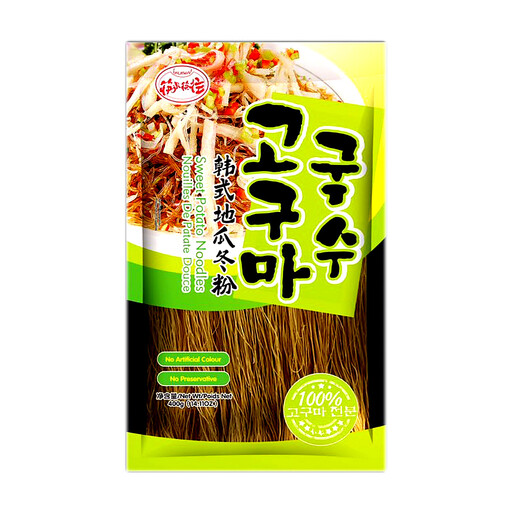
Why This Fits Their Persona: This is for the home cook dedicated to recreating an authentic Korean japchae. The noodle thickness and texture are specifically suited for this classic stir-fry, ensuring the dish has the right balance and mouthfeel.
Made with 98% sweet potato starch, it avoids the "starch switch" trap, delivering the authentic, bouncy texture required for japchae instead of a mushy or brittle result.
Its standard round shape is versatile enough for soups and salads, but it truly excels in stir-fries, where it absorbs sauce well while maintaining its chew.
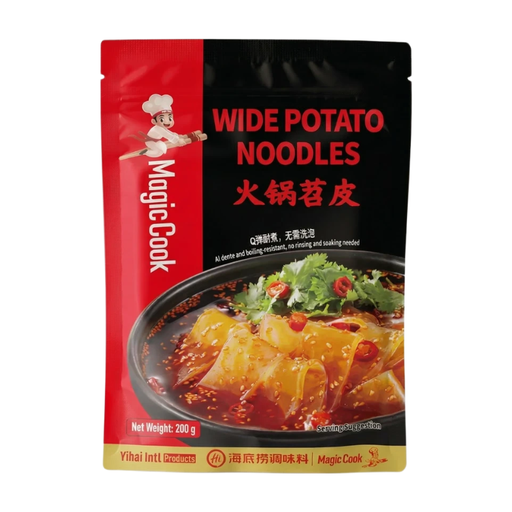
Why This Fits Their Persona: Ideal for anyone hosting a hot pot night. These noodles are from a brand synonymous with hot pot and are engineered to perform perfectly in a simmering broth, providing a reliable and satisfying experience for guests.
It directly solves the "mushy noodle disaster." These wide noodles are formulated to remain soft yet springy and not fall apart even after extended cooking time in a hot pot.
The wide, flat shape provides a substantial bite and is excellent at absorbing the complex flavours of the broth, making every strand delicious.
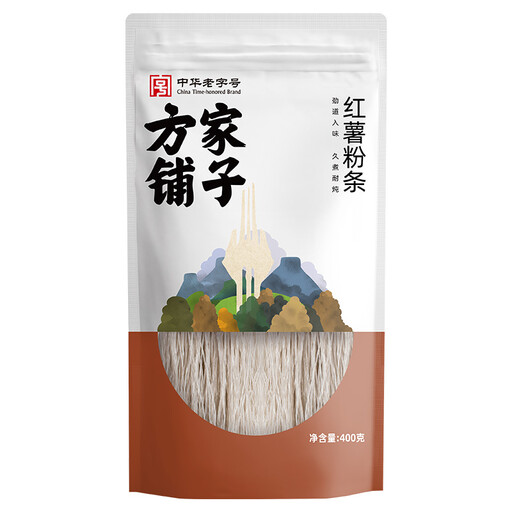
Why This Fits Their Persona: This is for the discerning home cook who values clean labels and authentic ingredients above all. It's a pure, no-frills product that serves as a perfect base for any dish, from soups to stir-fries.
With an ingredient list of just Sweet Potato Starch (100%), it is the definitive answer to the "starch switch" trap. You are guaranteed the authentic texture and flavour profile.
Its purity makes it a reliable and versatile pantry staple. It delivers a consistent, resilient chew that is essential for authentic Asian cooking and is an excellent naturally gluten free noodle.
We have compiled a complete, real-time list of products that fully satisfy these strict selection criteria and UK safety regulations.
Yes, when made from 100% sweet potato starch, they are naturally gluten-free. However, it is always essential to check the ingredients list on the packaging, as some brands may add other starches or have "may contain" warnings due to shared processing facilities. If you have a severe allergy or coeliac disease, always verify the label.
Soaking is highly recommended for most dried sweet potato vermicelli. This step rehydrates the noodles, which helps them cook more evenly and achieve their characteristic chewy texture. A 15-30 minute soak in warm (not hot) water is usually sufficient before you boil them or add them to a stir-fry.
The key is to rinse them with cold water immediately after boiling. This halts the cooking process and washes away the excess surface starch that causes stickiness. For dishes like japchae, tossing the rinsed noodles with a small amount of sesame oil will also help keep the strands separate and add flavour.