
24/7 Customer Support

Free returns

Same-day & Next-day Delivery

Quality Guaranteed

Unlock Your Welcome Offers: FREE Delivery | Up to 80% OFF | Free 30-day JoyPlus trial
Download the APP
From bubbling Sichuan hot pots to the savoury Korean stir-fry, Japchae, sweet potato noodles have become a staple for UK home cooks exploring the vibrant flavours of East Asian cuisine. Their unique chewy texture and ability to soak up sauces make them a versatile pantry essential. However, the growing variety on supermarket shelves can be confusing, often leading to purchases that don't quite meet expectations.
As a Joybuy Product Recommendation Officer, my role is to help you navigate the options and make informed choices. Before you add a pack to your basket, let's look at a few common pitfalls that can lead to disappointing meals and wasted money.
To ensure you get the perfect bite every time, focus on these key parameters. They are far more important than flashy packaging or marketing claims.
The final texture of your dish hinges on the noodle's ingredients.
The form of the noodle dictates its function in the kitchen.
Instead of a generic list, we've matched specific products to the UK home cooks who will appreciate them most.
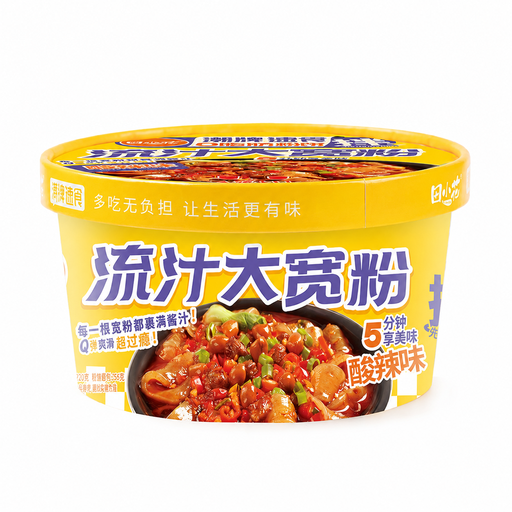
Why This Fits Their Persona: This is the perfect solution for a quick, flavourful lunch or a simple evening meal after a long day. The all-in-one bowl format means no extra pots or pans are needed, making it ideal for office kitchens or student accommodation.
It directly solves the "Instant vs. Dried" dilemma. This is unambiguously a convenient meal kit, complete with noodles and all seasoning packets, ensuring a quick and easy preparation with no surprises.
Preparation is simple with just boiling water. The included hot and sour seasoning provides a complete, authentic flavour profile without needing extra ingredients.
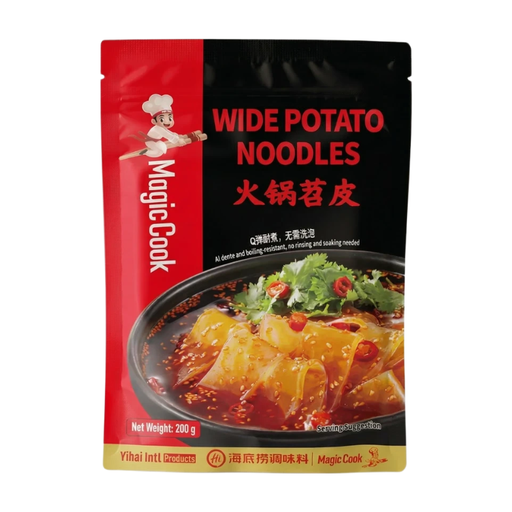
Why This Fits Their Persona: For anyone serious about recreating an authentic hot pot experience at home, using ingredients from a brand synonymous with the dish is a clear choice. These noodles are specifically made for simmering in broth.
This product prevents the "Texture Mismatch" pitfall. As wide potato noodles designed for hot pot, they are engineered to remain springy and not disintegrate, ensuring a perfect chewy bite even after cooking in broth.
These noodles have a firm, resilient texture that absorbs flavour well. They are versatile enough for use in cold dishes or stir-fries, in addition to their primary hot pot function.
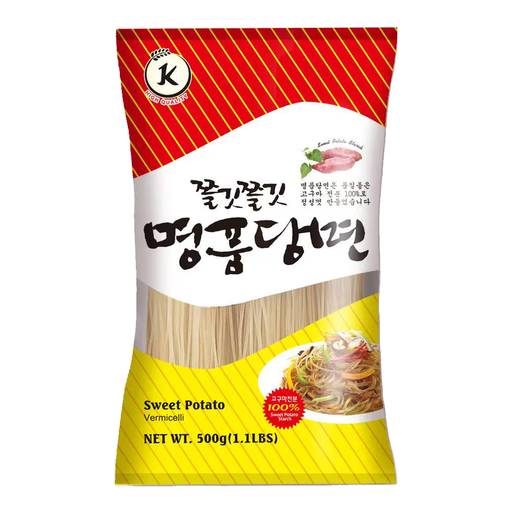
Why This Fits Their Persona: Anyone looking to make authentic, from-scratch Japchae needs the right kind of noodle. This product is exactly that: classic dangmyeon made from 100% sweet potato starch, making it naturally gluten-free and perfect for health-conscious cooks.
It tackles both the "Gluten-Free Assumption" and "Texture Mismatch" pitfalls. The ingredient list is simple—100% sweet potato starch—and the fine vermicelli shape is the correct one for Japchae, ensuring an authentic result.
These noodles are naturally gluten-free, fat-free and sugar-free. They cook to a translucent, chewy finish that absorbs sauce beautifully while maintaining a satisfying bite.
We have compiled a complete, real-time list of products that fully satisfy these strict selection criteria and UK safety regulations.
Sweet potato noodles made from pure starch are naturally gluten-free, which is a significant benefit for individuals with coeliac disease or gluten sensitivity. Their nutritional profile can vary, but they are often fat-free and can have a lower glycaemic index compared to some refined wheat noodles. However, the calorie and carbohydrate content can be comparable, so it's always wise to check the nutritional information on the package and consider your overall diet.
This is a common issue, but easily solved. After boiling the noodles until they are tender and translucent, drain them immediately and rinse them thoroughly under cold running water. This halts the cooking process and washes away excess starch. For stir-fries like Japchae, tossing the rinsed noodles with a small amount of sesame oil will further prevent them from clumping together.
The terms are often used interchangeably, which can be confusing. "Sweet potato noodles" specifically refer to noodles made from sweet potato starch. "Potato noodles" is a broader term that could mean noodles made from regular potato starch, sweet potato starch or even a blend. Sweet potato starch typically yields a chewier, more elastic and slightly darker noodle, whereas regular potato starch can produce a softer, more delicate result. To be certain, always check the ingredients list on the packaging.