
24/7 Customer Support

Free returns

Same-day & Next-day Delivery

Quality Guaranteed

Unlock Your Welcome Offers: FREE Delivery | Up to 80% OFF | Free 30-day JoyPlus trial
Download the APP
As a Joybuy Product Recommendation Officer, my role is to help you navigate the crowded aisles of online groceries. When it comes to recreating authentic East Asian dishes at home, the details matter, and few ingredients are as fundamental—or as frequently misunderstood—as sweet potato noodles. Whether you're aiming for a bubbling Sichuan hot pot, a classic Korean Japchae or a quick and spicy lunch, choosing the right noodle is crucial.
However, many UK home cooks find themselves disappointed. The noodles turn to mush, the texture is wrong or the product simply isn't what the recipe called for. This often comes down to a few common purchasing pitfalls that are easy to fall into.
To avoid these issues, it pays to look past the front-of-pack marketing and check a few key details. Focusing on these parameters will ensure you get the right noodle for your culinary project every time.
The type of starch is the single most important factor determining the noodle's final texture and cooking properties.
The shape and size of the noodle dictate its use.
To help you choose, we've matched some popular options to the specific needs of UK home cooks.
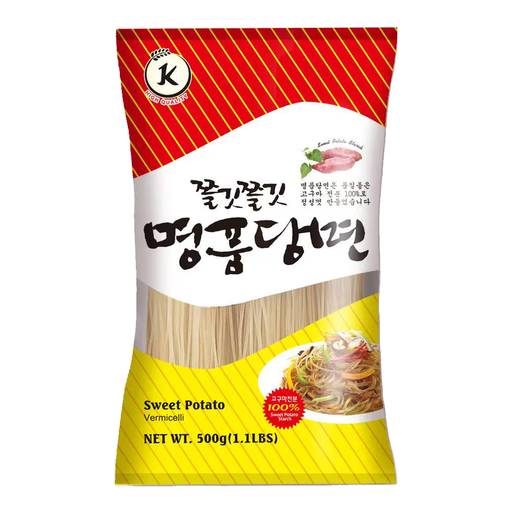
Why This Fits Their Persona: This user is dedicated to recreating an authentic Korean Japchae. They need the specific chewy, elastic texture that only comes from pure sweet potato starch noodles, or dangmyeon. This product is exactly that—a pantry staple for any serious Korean home cook.
It directly counters the "vague starch" trap. The ingredient list is simple: 100% sweet potato starch. This guarantees the correct texture for Japchae, preventing the mushiness that comes from using noodles with cheaper fillers.
Naturally gluten-free, fat-free and sugar-free. The large 500g pack is economical for families or those who cook Korean food regularly.
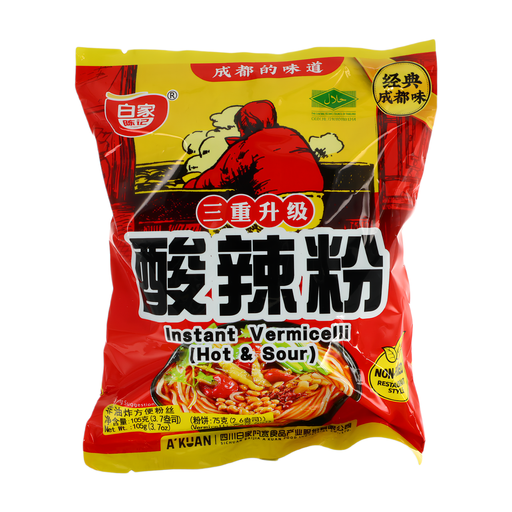
Why This Fits Their Persona: Perfect for students, busy professionals or anyone craving a quick, flavour-packed lunch. This user values convenience and authentic flavour without the hassle of sourcing multiple ingredients for a complex sauce.
This product is the solution to the "instant vs. ingredient" confusion. It is an all-in-one kit, clearly designed for a single-serving meal. You just add boiling water, wait a few minutes and stir.
Delivers a classic Sichuan sour and spicy flavour profile with a tangy, numbing broth. The meal is ready in under 6 minutes.

Why This Fits Their Persona: This user is hosting a hot pot night and needs noodles that can be thrown into the simmering broth without disintegrating or making the soup cloudy. They need a robust, wide noodle that absorbs the spicy broth beautifully.
It solves the "texture mismatch" problem. These wide noodles are made from 100% sweet potato starch and are specifically described as being "resistant to overcooking," ensuring they maintain their integrity and chewiness in a hot pot.
Excellent ability to absorb spicy broth while remaining smooth. They cook quickly and are also suitable for other Sichuan dishes like *mala tang*.
We have compiled a complete, real-time list of products that fully satisfy these strict selection criteria and UK safety regulations.
1. Are sweet potato noodles gluten-free? Yes, if they are made from 100% sweet potato starch, they are naturally gluten-free. This makes them an excellent choice for individuals with coeliac disease or gluten sensitivity. However, always check the packaging. Instant noodle kits may include seasoning packets containing wheat or soy sauce (which can contain wheat). Also, be aware of "may contain" warnings if cross-contamination is a concern for you.
2. What is the difference between sweet potato noodles and glass noodles? "Glass noodles" is a general term for any transparent noodle made from starch. Sweet potato noodles are a specific type of glass noodle. The term can also refer to mung bean vermicelli, which are typically much thinner and more delicate. If a recipe calls for the chewy, bouncy texture needed for a dish like Japchae, you should specifically look for noodles made from sweet potato starch, not just any product labelled "glass noodles."
3. How do I stop my sweet potato noodles from sticking together? This is a common issue, but easily solved. After boiling the noodles until they are translucent and cooked through, you must immediately drain them and rinse them thoroughly under cold running water. This shocks the noodles, stops the cooking process and washes away excess starch, which is the primary cause of stickiness. For stir-fries, tossing the rinsed noodles with a small amount of sesame oil can also help keep them separated.