
24/7 Customer Support

Free returns

Same-day & Next-day Delivery

Quality Guaranteed

Unlock Your Welcome Offers: FREE Delivery | Up to 80% OFF | Free 30-day JoyPlus trial
Download the APP
As a Joybuy Product Recommendation Officer, I see a lot of questions from UK shoppers about sweet potato noodles. Whether you're trying to recreate an authentic Korean japchae, preparing for a hot pot gathering or simply looking for a new gluten-free option, the variety can be confusing. It's easy to end up with a packet of noodles that turns to mush or just doesn't deliver that satisfyingly chewy texture you were hoping for.
The good news is that choosing the right product is straightforward once you know what to look for. Let's cut through the marketing jargon and focus on what really matters, so you can avoid common pitfalls and get the perfect noodles for your dish.
Before you add anything to your basket, be aware of these frequent issues that can lead to a disappointing meal:
To make sure you're getting exactly what you need, focus on these two key parameters on the product label.
The single most important factor for texture is the ingredient list. For that classic, sought-after chewy and "bouncy" quality, look for noodles made from 100% sweet potato starch.
The form of the noodle dictates its use. Understanding the different types will help you match the product to your recipe perfectly.
To make things easier, we've matched some excellent options to different cooking styles and needs, helping you bypass the common traps.
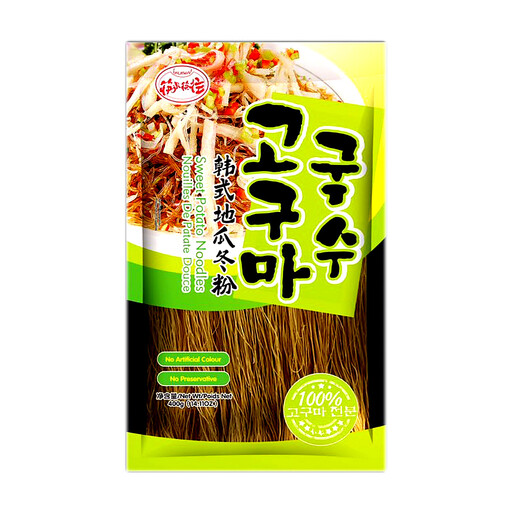
Why This Fits Their Persona: This is for the home cook dedicated to getting their Korean dishes just right. The noodle thickness and texture are specifically suited for classic japchae, providing the authentic bouncy and glossy result that defines the dish.
It sidesteps the "starch blend" issue with a 98% sweet potato starch composition, ensuring an authentic texture. It also prevents the "wrong noodle" mismatch by being the ideal shape and size for japchae.
Delivers a satisfyingly chewy and glossy texture. Versatile enough for use in soups and salads as well.
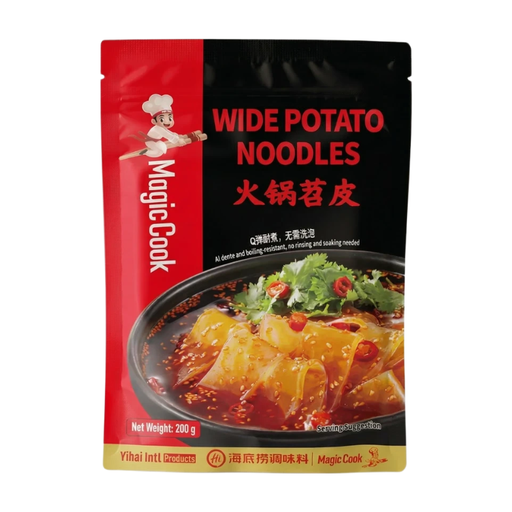
Why This Fits Their Persona: For anyone hosting a hot pot night, these noodles are a must-have. They are specifically designed by a leading hot pot brand to withstand simmering broth without disintegrating, absorbing all the delicious flavours.
This product directly solves the "wrong noodle" problem by being explicitly created for hot pot. The starch blend is engineered for durability in liquid, so you won't find a mushy mess at the bottom of the pot.
Maintains a firm, springy bite even after prolonged cooking. The wide, flat shape is excellent for soaking up broth.
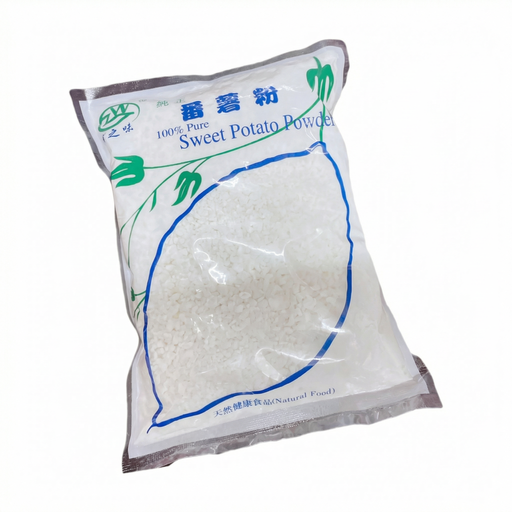
Why This Fits Their Persona: For the adventurous cook who wants full control, this pure sweet potato starch is the ultimate versatile ingredient. You can use it to make your own noodles from scratch, as a gluten-free thickener for sauces or for creating an extra-crispy coating for fried foods.
This product is the raw material, completely eliminating the "starch blend" pitfall. You get pure sweet potato starch, giving you total transparency and control over your final dish.
Extremely versatile for a wide range of culinary applications. It's a pure, single-ingredient product with no additives.
We have compiled a complete, real-time list of products that fully satisfy these strict selection criteria and UK safety regulations.
Here are answers to a few common questions we receive from UK home cooks.
The key is to soak them first. For most dried sweet potato noodles, soak them in warm (not boiling) water for 15-30 minutes or until they become pliable and soft. After soaking, they only need a very brief cooking time—typically 1-5 minutes in boiling water or broth, depending on their thickness. This two-step process rehydrates them gently and prevents them from overcooking into a mushy texture.
Yes, when the noodles are made from 100% sweet potato starch, they are naturally gluten-free, making them an excellent choice for those with coeliac disease or gluten sensitivity. However, it is always essential to check the ingredients list on the packaging. Some brands may add wheat starch to their blend or process the noodles in a facility that also handles wheat, creating a risk of cross-contamination.
The primary difference lies in the core ingredient, which dictates the texture and appearance. Sweet potato noodles are made from sweet potato starch, giving them a translucent, "glassy" look and a distinctly chewy, springy and slippery texture. In contrast, rice vermicelli is made from rice flour, resulting in an opaque white noodle that is much softer and has a less bouncy bite.