
24/7 Customer Support

Free returns

Same-day & Next-day Delivery

Quality Guaranteed

Unlock Your Welcome Offers: FREE Delivery | Up to 80% OFF | Free 30-day JoyPlus trial
Download the APP
Navigating the world of Asian noodles can be a delightful but sometimes confusing journey. If you've ever tried to recreate a perfectly chewy bowl of Korean Japchae or a comforting Chinese hot pot, you'll know that the right noodle is crucial. Sweet potato vermicelli, often called glass noodles, stands out for its unique, satisfyingly springy texture and its ability to absorb the flavours of sauces and broths without turning mushy.
However, not all sweet potato noodles are created equal. Finding a product that delivers that authentic texture and is made from pure, high-quality ingredients can be a challenge. As a Joybuy Product Recommendation Officer, my role is to help you understand the key differences so you can choose the right noodles for your culinary needs. This guide will walk you through what to look for and offer some of our top recommendations available in the UK.
Before you add a pack to your basket, consider these key points. They will help you match the noodle to your dish and dietary requirements.
The term sweet potato vermicelli is used for noodles from various parts of Asia, but the two most common styles you'll encounter are Chinese and Korean.
For the most authentic texture and to ensure the product is suitable for a gluten-free diet, the ingredients list should be simple. Look for products made from 100% sweet potato starch. Some blends may include other starches, which can alter the texture and may not be gluten-free. Pure sweet potato starch is what gives these glass noodles their signature chewiness and makes them a fantastic gluten free noodle alternative.
The thickness of the noodle directly impacts its best use.
Based on their ingredients, texture and suitability for popular dishes, here are a few standout options to consider for your pantry.
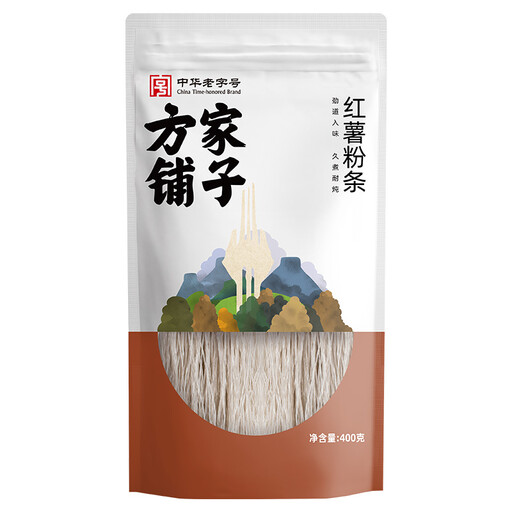
Why It Stands Out: This product from Fang Jia Pu Zi is a classic example of traditional Chinese-style sweet potato noodles. Made from 100% sweet potato starch, it delivers the authentic, resilient texture that is essential for a wide range of dishes. Its ability to absorb flavour makes it a true pantry staple.
Pros:
Who is it for? This is an excellent all-rounder for home cooks who want a reliable and authentic Chinese sweet potato noodle for various culinary applications.
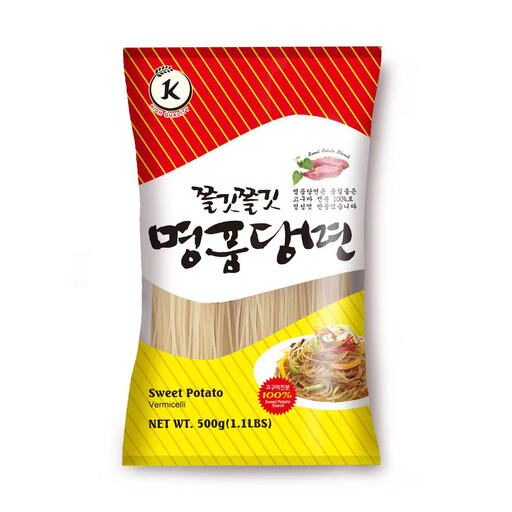
Why It Stands Out: Specifically marketed as Korean-style dangmyeon, these noodles are crafted to provide the ideal elasticity and chewiness for Japchae. The clean ingredient list—just sweet potato starch—and the fact that it's fat-free and sugar-free appeal to health-conscious cooks.
Pros:
Who is it for? Anyone specifically looking to make authentic Japchae or other Korean noodle dishes will find this product delivers the right texture and performance.
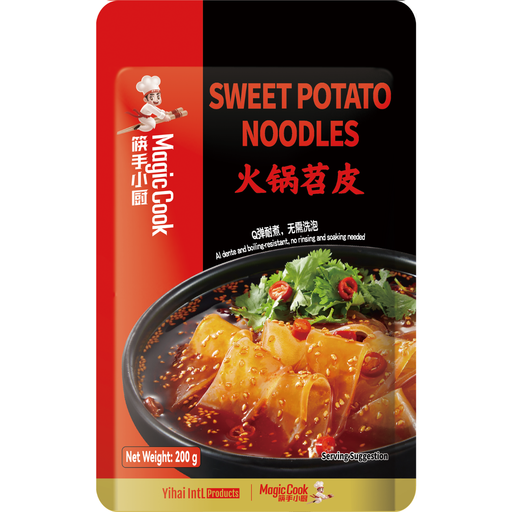
Why It Stands Out: Coming from the renowned hot pot brand Haidilao, these wide noodles are designed for convenience and performance in a simmering broth. They require no pre-soaking, so you can add them directly to your hot pot, where they cook quickly while absorbing all the rich flavours.
Pros:
Who is it for? This is the ideal choice for hot pot lovers who prioritise convenience without compromising on the satisfying, chewy texture expected from a quality noodle.
Sweet potato is an incredibly versatile ingredient, used in everything from noodles to snacks. If you're interested in exploring other products or different types of Asian noodles, our broader selection has something for every taste and recipe.
Discover more in our complete sweet potato product range.
Q: Are sweet potato vermicelli and glass noodles the same thing? A: The terms are often used interchangeably, but "glass noodles" is a broader category that can be made from various starches like mung bean, potato or tapioca. Sweet potato vermicelli is a specific type of glass noodle made from sweet potato starch, known for its distinctly chewy and elastic texture compared to other varieties.
Q: How do you cook sweet potato noodles so they don't stick together? A: The key is to rinse them under cold running water immediately after boiling and draining. This shocks the noodles, halts the cooking process and washes away excess starch, which is the primary cause of stickiness. A light toss with a touch of sesame oil can also help keep them separated, especially if you're preparing them for Japchae or a noodle salad.
Q: Are sweet potato noodles a healthy choice? A: Sweet potato noodles are valued for what they are made of and what they are free from. They are typically made from just sweet potato starch and water, making them a simple, minimally processed food. They are naturally gluten-free, and many brands are also fat-free and low in sodium, making them a suitable carbohydrate base for many dietary preferences.