
24/7 Customer Support

Free returns

Same-day & Next-day Delivery

Quality Guaranteed

Unlock Your Welcome Offers: FREE Delivery | Up to 80% OFF | Free 30-day JoyPlus trial
Download the APP
As a Joybuy Product Recommendation Officer, my role is to help you navigate the often-confusing world of shopping. When it comes to stocking your pantry with authentic Asian cooking ingredients, the term "sweet rice wine" can be a particular source of trouble. You might be following a recipe for a perfect teriyaki glaze, a comforting Chinese dessert or a spicy Korean stew, only to find yourself staring at a shelf of similar-looking bottles.
Choosing the wrong one isn't just a minor mistake; it can completely alter the flavour and texture of your dish. Before you make a purchase, let's look at the common pitfalls that lead to disappointment and wasted money.
To ensure you get the right product for your culinary needs, focus on these two core parameters.
The ingredients reveal the product's true nature. A high-quality hon mirin will have a simple list, typically starting with glutinous rice, rice koji (a fermentation culture) and water. It has a complex, naturally sweet flavour from the fermentation process.
In contrast, a mirin seasoning will often list glucose syrup, fructose or corn syrup as a primary ingredient, along with vinegar and salt. These are designed to be convenient, non-alcoholic alternatives that provide a similar glossy finish and sweetness, making them a practical choice for quick weekday meals.
Similarly, check if the product is intended for cooking or direct consumption.
The alcohol content is a crucial differentiator.
To make your choice easier, we've matched some popular options to different types of home cooks.
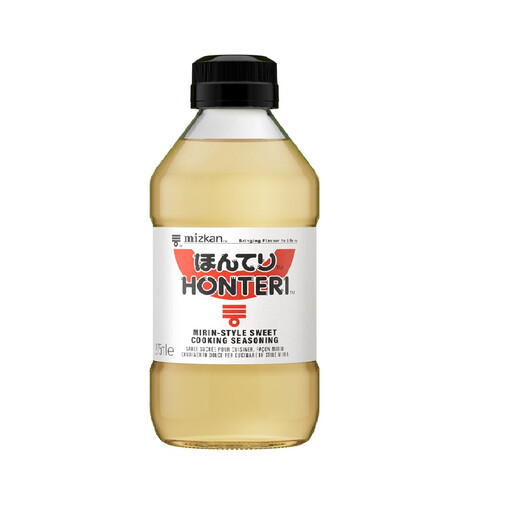
Why This Fits Their Persona: This is for the busy home cook who wants to create a delicious Japanese-style meal without fuss. It's perfect for making a quick, glossy glaze for chicken teriyaki or salmon after a long day at work.
It is clearly labelled a "Mirin-Style Sweet Cooking Seasoning," so you know you are getting a convenient, low-alcohol alternative, not a traditionally brewed mirin.
Adds a brilliant shine and balanced sweetness to dishes. Made in the UK and contains no alcohol, making it a versatile pantry staple.
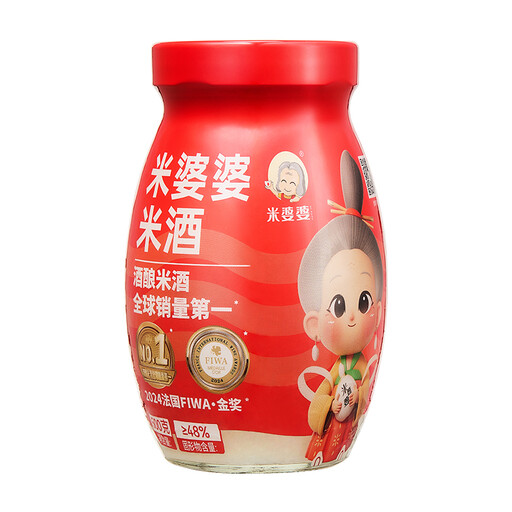
Why This Fits Their Persona: This is for someone specifically looking to make or enjoy traditional Chinese desserts like *jiuniang yuanzi* (sweet fermented rice with glutinous rice balls). They want the authentic texture and flavour of whole fermented rice grains.
This product avoids the "cooking vs. dessert" mix-up. It is clearly a ready-to-eat dessert product, not a liquid cooking seasoning, preventing its misuse in recipes calling for mirin.
Naturally fermented using traditional techniques for an authentic sweet and fragrant taste. It can be served directly from the jar, offering maximum convenience.
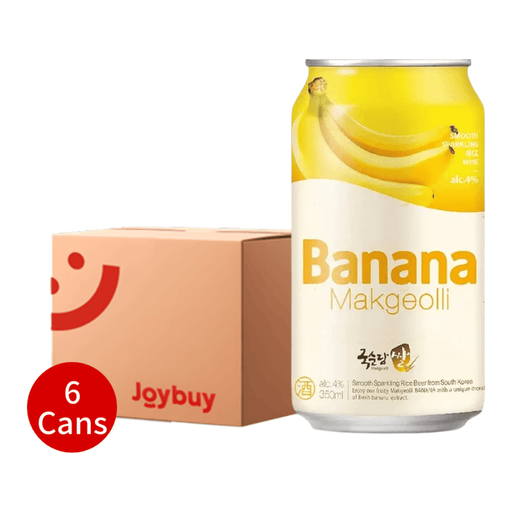
Why This Fits Their Persona: This is for the social and curious individual looking to try a popular Korean beverage. It's a ready-to-drink, lightly sparkling **makgeolli** that's perfect for sharing with friends alongside spicy Korean fried chicken or savoury pancakes.
This product is clearly a beverage, sold in cans and marketed for drinking. This prevents any confusion with cooking wines like mirin, ensuring it's used as intended.
A modern, accessible take on a traditional Korean rice wine with a popular banana flavour. The convenient can format makes it ideal for picnics and social gatherings.
We have compiled a complete, real-time list of products that fully satisfy these strict selection criteria and UK safety regulations.
1. What is the difference between hon mirin and mirin seasoning? The primary difference lies in the ingredients and alcohol content. Hon mirin is a true Japanese cooking wine, naturally brewed from glutinous rice and rice koji, and contains around 14% alcohol. Mirin seasoning is a low-alcohol (under 1%) or alcohol-free alternative that uses syrups, salt and other flavourings to mimic the taste and glazing properties of real mirin.
2. Can I use sweet rice wine instead of glutinous rice vinegar? No, they serve opposite functions in cooking. Sweet rice wine (like mirin) adds sweetness, depth and umami. Glutinous rice vinegar, on the other hand, is acidic and adds a mild, tangy flavour to dishes, dressings and dipping sauces. They are not interchangeable.
3. How should I store my sweet rice wine after opening? For almost all types of sweet rice wine, including mirin, mirin seasonings and jiuniang, it is recommended to store them in the refrigerator after opening. This helps to preserve their flavour and quality and prevents spoilage. Always check the storage instructions on the product label.