Small-batch lunchbox bakers
If you usually make one tart or a modest batch, you need room to combine the pastry ingredients without giving up more storage space than you can spare.


Choose a food processor with pulse control and a suitable blade so you can stop when the butter-and-flour mixture resembles breadcrumbs, as Good Food’s shortcrust method calls for. A compact model may suit an occasional small tart; if you regularly double recipes or make several lunchbox portions, compare the exact model’s stated pastry or dough limit as well as its storage requirements.
If you usually make one tart or a modest batch, you need room to combine the pastry ingredients without giving up more storage space than you can spare.
If pastry texture is your priority, look for a usable pulse setting and a suitable supplied blade. Good Food’s shortcrust method calls for pulsing the mixture to a breadcrumb texture.
If you make several tarts, double recipes or also prepare family meals, a model-specific pastry or dough limit will help you judge whether your usual batch fits.
Start with control for the pastry method, then match the processor’s working capacity and storage footprint to the batches you actually make.
| Concern | What to check | Who this matters to |
|---|---|---|
| Pastry control | Check for pulse control and a suitable blade supplied with the exact model. Good Food advises pulsing shortcrust ingredients until they resemble fine breadcrumbs. | If I want to stop before the butter-and-flour mixture is overworked, I need short, controllable bursts. Around 42% of consumers put pastry control first. |
| Small batches and storage | Measure your storage space, then check the model’s dimensions, bowl size and stated dough limit. | For an occasional lunchbox tart, I want a machine I can put away easily without choosing a bowl too small for my recipe. Small-batch practicality comes first for around 33% of consumers. |
| Repeated-batch capacity | Compare your usual recipe weight with the exact model’s stated pastry or dough maximum; bowl volume is a separate specification. | When I make several tarts or double a recipe, I need to know the pastry quantity the processor can handle. Around 25% of consumers prioritise repeated-batch capacity. |
Wattage does not tell you when a shortcrust mixture has reached the breadcrumb stage. Continuing to process it can take you past the point called for in Good Food’s method.
Check for a usable pulse setting and an appropriate supplied blade, then stop processing at the stage specified by your recipe.
Bowl volume and maximum pastry or dough content describe different things. Magimix and Bosch Home publish model-specific quantities that can be checked separately from bowl size.
Compare the exact model’s stated pastry or dough maximum with your recipe weight before planning a double batch.
Capacity you seldom use still needs somewhere to go between bakes, especially if your processor will be kept off the worktop.
Measure the cupboard or worktop space available and check the dimensions of the model you are considering.
Storage needs depend on the filling. A tart containing ingredients that require chilling needs a different lunchbox plan from one whose recipe permits room-temperature storage.
Follow the filling’s label or recipe instructions and plan suitable temperature control during transport where chilling is required.
Magimix UK publishes shortcrust-pastry capacities for specific food processors, making recipe weight a useful starting point for comparing its models.
Kenwood offers compact food processors alongside larger ranges for more extensive food preparation.
Bosch Home publishes a dough-content limit for its MultiTalent 3 MCM3PM38SG, which helps distinguish working capacity from bowl volume.
The KitchenAid 5KFP0921 is a mid-size option for pastry preparation alongside other food-preparation tasks.
This food processor offers pulse control for sweet tart pastry preparation and a 3 L bowl to consider if you also make larger batches. Check its model-specific dough limit before relying on it for doubled recipes.
 No image available
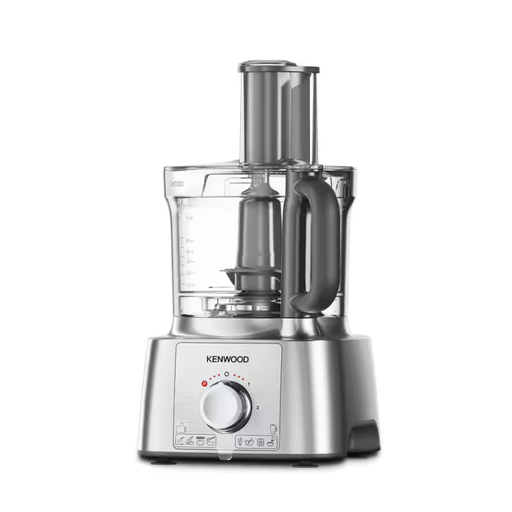
Its pulse function suits a pastry method that calls for short bursts; check the FDP65.180SI manual for the maximum pastry or dough quantity before making repeated or doubled batches.
No, not for an occasional small batch: choose a processor with pulse control and a suitable blade, then check that its stated pastry or dough limit covers your recipe. If you regularly make several tarts, compare model-specific limits rather than choosing by bowl litres alone.
Use short pulses and stop when the butter-and-flour mixture resembles fine breadcrumbs, following Good Food’s shortcrust method. Add liquid according to your recipe and stop once the dough comes together rather than continuing to run the machine.
Check the filling’s label or recipe instructions: ingredients that require chilling need suitable storage and transport, while requirements can differ for other tarts. For England, Northern Ireland and Wales, GOV.UK advises keeping foods that need refrigeration at 0–5°C and placing cooled cooked food in the fridge within one to two hours; check applicable local guidance in Scotland.
Check the guarantee, manual, spare-part availability and support for the exact processor model. Read the applicable terms for exclusions or registration requirements before buying rather than assuming that every model in a brand’s range has the same cover.