
24/7 Customer Support

Free returns

Same-day & Next-day Delivery

Quality Guaranteed

Unlock Your Welcome Offers: FREE Delivery | Up to 80% OFF | Free 30-day JoyPlus trial
Download the APP
Buying sweetcorn sounds straightforward, but the format you choose affects flavour, preparation time, storage and value. A small tin may suit one lunch, while a vacuum-packed sweetcorn cob or bulk bag may work better for a family barbecue or regular breakfasts.
Marketing can also make similar products appear interchangeable. Before adding items to your basket, check what you are actually buying and how it fits your routine.
Some products are fully cooked and can be eaten after opening or briefly heated. Others, particularly certain varieties of sweet glutinous corn, require steaming, boiling, grilling or microwaving. The packaging may look similar, so always check the preparation instructions.
For busy professionals, parents and students, ready-to-eat sweetcorn or cooked sweetcorn can save time. If you enjoy preparing food at weekends, cooking-required cobs may offer more flexibility.
A tin includes water, while a cob includes the inedible core and the husk may form part of the stated weight. Compare the net quantity, drained weight where provided and number of portions rather than relying only on the front-of-pack price.
A sweetcorn multipack may reduce the need for repeat orders, but only if your household will use it before the storage period becomes an issue.
Plain sweetcorn may contain only corn, water and salt, but corn snacks are a separate category. For example, puffed snacks and toffee popcorn can include oil, sugar, flavourings, milk, wheat or other ingredients.
Read the full ingredient list if you are buying for children, vegetarians, vegans or anyone managing an allergy. Product formulations can change, so check the packaging before eating.
Look for clear wording such as:
Vacuum-packed sweetcorn often comes as individual cobs or portions. Check whether the packaging should be removed before heating and whether the product can be microwaved in its inner pouch.
Ambient tinned sweetcorn and some sealed pouches can be stored in a cool, dry cupboard before opening. Once opened, transfer leftovers to a suitable container, refrigerate and follow the stated consumption period.
Frozen products must normally be kept at -18°C or below and should not be refrozen after thawing. This makes frozen sweetcorn useful for batch cooking, but less suitable for packed lunches without access to refrigeration.
For everyday cooking, plain sweetcorn kernels are usually more adaptable than seasoned products. Check:
Sweetcorn for salads and side dishes is often sold in tins or pouches. Sweet glutinous corn has a softer, chewier texture and may be more filling, but it can require longer heating. Corn snacks, including toffee popcorn, should be considered treats rather than substitutes for plain vegetable products.
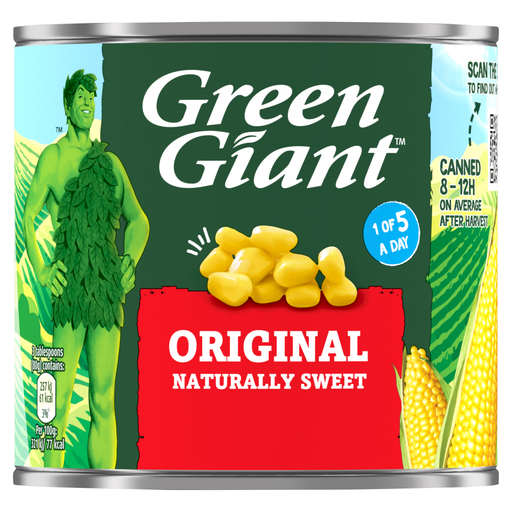
Why This Fits Their Persona: A practical ambient cupboard option for students, smaller households and anyone building a flexible store-cupboard selection.
The product lists sweetcorn and water as ingredients, with clear instructions to refrigerate leftovers and use them within two days.
340g ambient tin; ready to eat after draining; suitable for salads, soups and side dishes.
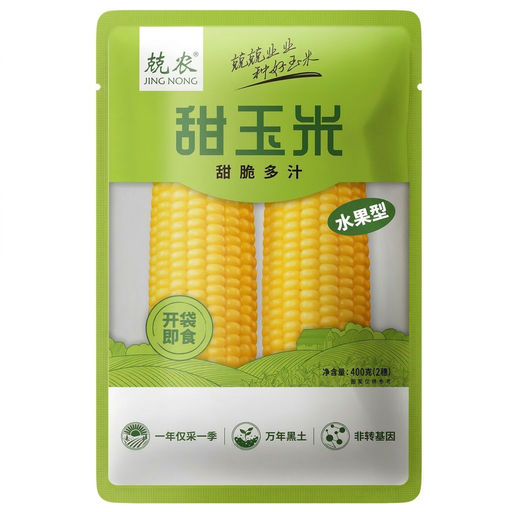
Why This Fits Their Persona: Suitable for shoppers who prefer whole sweetcorn cobs for breakfast, barbecues, snacks or serving alongside a meal.
It is identified as fully cooked and vacuum-packed, rather than requiring preparation from raw corn.
Two 200g cobs; can be boiled, steamed or microwaved; no refrigeration required before opening.
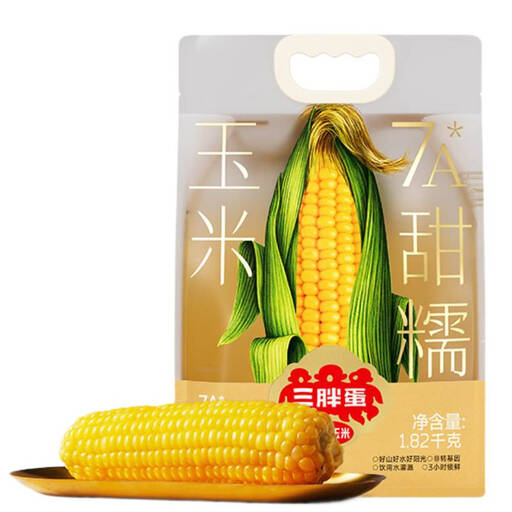
Why This Fits Their Persona: A larger option for families, regular corn eaters and households planning breakfasts, meal sides or shared gatherings.
The listing clearly states that cooking is required, with boiling and steaming times provided instead of implying instant serving.
1.82kg bulk format; suitable for boiling, steaming, grilling or soups; ingredients list corn.
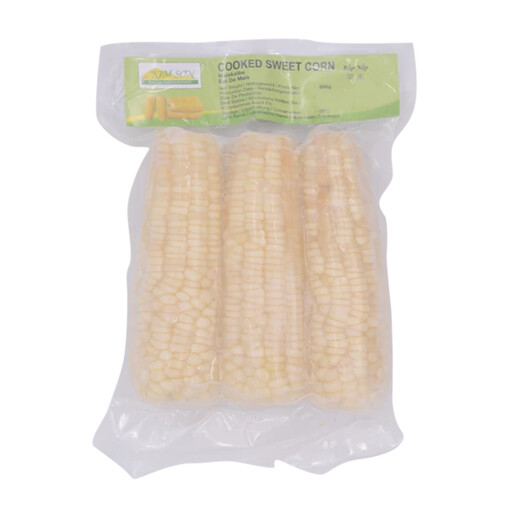
Why This Fits Their Persona: Useful for vegan households and cooks who want measured portions for soups, fried rice, salads and stir-fries.
The listing identifies it as frozen cooked sweetcorn with 100% sweetcorn ingredients and gives clear freezer storage guidance.
500g format; suitable for vegans; keep frozen at -18°C or below and do not refreeze after thawing.
We have compiled a complete, real-time list of products that fully satisfy these strict selection criteria and UK safety regulations.
Yes, many tinned sweetcorn products are ready to eat after draining. Check the label, then refrigerate unused contents in a suitable container and follow the stated use-by period.
Follow the product instructions because packaging differs. Common methods include boiling, steaming or microwaving. Some products require the outer packaging to be removed, while others specify keeping an inner pouch during heating.