
24/7 Customer Support

Free returns

Same-day & Next-day Delivery

Quality Guaranteed

Unlock Your Welcome Offers: FREE Delivery | Up to 80% OFF | Free 30-day JoyPlus trial
Download the APP
Sweetcorn is a useful cupboard, freezer and fridge staple for UK households. It can add colour to salads, soups, stir-fries, breakfasts and side dishes, while whole cobs and glutinous corn can work as a more substantial snack.
However, choosing the right sweetcorn is not simply a matter of picking the largest packet. The format, preparation method, storage requirements and drained weight can make a noticeable difference to value and convenience.
Some vacuum-packed sweetcorn products are ready to eat, while others must be steamed, boiled, microwaved or grilled. A product described as “fresh” or “vacuum-packed” is not automatically ready to serve.
For example, several glutinous corn products require cooking for around 10–20 minutes. By contrast, canned sweetcorn and certain ready-to-eat packs can be drained and served immediately. Always check the preparation instructions before buying, particularly if you need a quick office lunch or children’s snack.
Canned sweetcorn contains water, so the headline net weight is not the same as the amount of kernels you will eat. D’Aucy Sweetcorn 326g, for example, lists a drained weight of 260g. When comparing prices, check the drained weight for canned products and the edible number of cobs or individual portions for vacuum-packed corn.
A 400g pack containing two cobs may suit a family meal, but a 198g can may be more practical when you only need corn for a salad or soup.
Black sweetcorn, colourful glutinous corn and bicolour varieties may look distinctive, but colour alone does not tell you whether the texture will suit your meal. Waxy or glutinous corn is generally selected for a softer, chewier bite, whereas standard sweetcorn kernels are often used for salads and quick cooking.
Also check whether the ingredient list contains only corn or includes water and salt. “No added salt or sugar” products may be preferable for shoppers comparing labels, but all nutrition and ingredient information should be checked on the packaging before purchase.
For family meals, larger frozen bags or multi-pack vacuum portions can reduce repeated shopping. For single users, smaller cans or 220g ready-to-eat packs may help reduce leftovers.
Glutinous corn, also called sticky corn or waxy corn, has a chewy texture and can be more filling as a breakfast or snack option. Standard sweetcorn is usually easier to mix into pasta, rice, salads and soups.
Look for clear instructions covering:
For canned products, do not use tins that are bulging, leaking or severely damaged. For vacuum-packed corn, follow the stated heating instructions rather than assuming that sealed packaging can be microwaved intact.
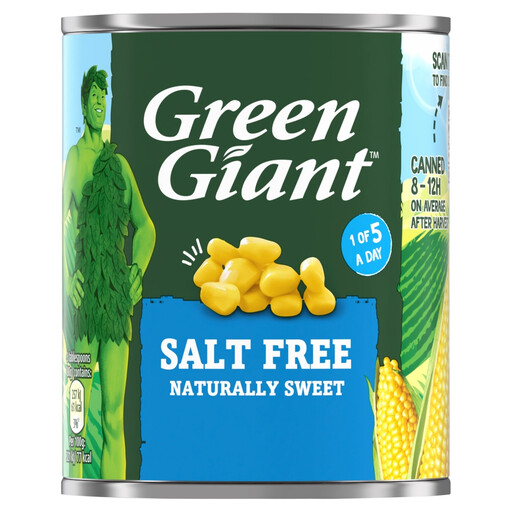
Why This Fits Their Persona: A compact ambient can is convenient for students, smaller households and first-time shoppers who want sweetcorn for one or two meals without committing to a large pack.
The label identifies the product as ready to eat and states no added salt or sugar. Its smaller format also limits unused leftovers compared with a large tin.
Ambient storage before opening; suitable for salads, soups or side dishes; ingredients listed as sweet corn and water.
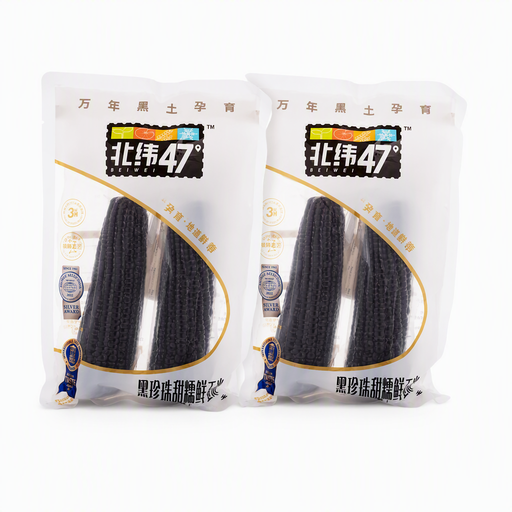
Why This Fits Their Persona: This option suits shoppers seeking a distinctive whole-cob experience, chewy glutinous texture and individually vacuum-packed portions for breakfasts or shared meals.
The listing clearly states that cooking is required and provides steaming, boiling and microwaving directions, avoiding confusion about preparation.
Two 400g packs; individually vacuum packaged; suitable for steaming, boiling, microwaving or grilling.
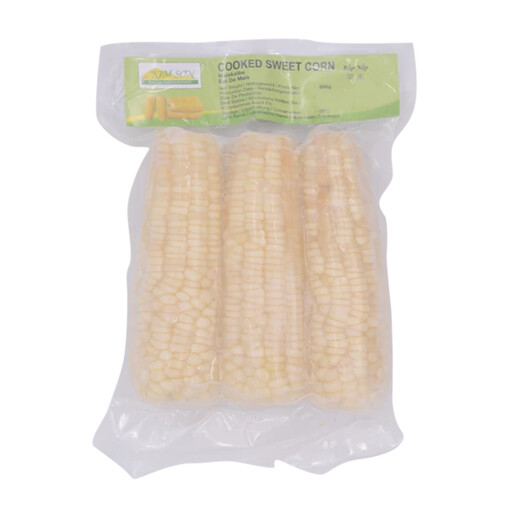
Why This Fits Their Persona: A 500g cooked pack works for busy families, vegans and vegetarians who regularly add corn to stir-fries, soups, salads and meal preparation.
It is identified as cooked and frozen, so shoppers can plan around freezer storage rather than assuming it is a shelf-stable product.
500g format; frozen storage at -18°C or below; listed as suitable for vegans and made with sweet corn.
We have compiled a complete, real-time list of products that fully satisfy these strict selection criteria and UK safety regulations.
Usually, yes. Drain the liquid first and follow the label instructions. After opening, transfer leftovers to a suitable container, refrigerate and use within the period stated on the packaging.
Frozen sweetcorn may be blanched or cooked before freezing, but it should still be prepared according to the pack directions. Keep it frozen at -18°C or below and do not refreeze once thawed.
Follow the specific product instructions. Common methods include steaming for 15–20 minutes, boiling for 10–15 minutes or microwaving after opening the inner pack as directed. Never assume that sealed vacuum packaging is microwave-safe.
The most suitable sweetcorn depends on how quickly you need to serve it, how much storage space you have and whether you prefer crisp kernels, soft glutinous texture, whole cobs or baby corn. Comparing these practical details before ordering helps you choose a format that fits your meals rather than paying for features you will not use.