
24/7 Customer Support

Free returns

Same-day & Next-day Delivery

Quality Guaranteed

Unlock Your Welcome Offers: FREE Delivery | Up to 80% OFF | Free 30-day JoyPlus trial
Download the APP
Buying sweets and chewing gum online can seem straightforward, but attractive packaging and flavour-led descriptions do not always tell you what matters. A pouch may be smaller than expected, “sugar-free” gum may still cause digestive discomfort if eaten excessively, and a chewy sweet may contain gelatine or soya that does not suit everyone.
This guide explains the practical checks UK shoppers should make before choosing fruit sweets, chewy sweets, Japanese sweets, mint chewing gum or bulk chewing gum. It also highlights suitable options for sharing, travel, work and everyday breath freshening.
Sugar-free chewing gum contains sweeteners rather than sugar. Many products use polyols such as sorbitol, xylitol, mannitol or maltitol. These can make a product suitable for shoppers reducing sugar intake, but packaging may also warn that excessive consumption can produce laxative effects.
Check the full ingredients list and nutrition panel rather than relying only on the front of the pack. Sugar-free products can still contain allergens, including soya, and some contain aspartame, which is a source of phenylalanine.
A bottle, pouch or multipack can offer better convenience, but the number of pieces and net weight vary considerably. For example, a 46-piece gum bottle is designed for repeated use, while a 50g Japanese sweets pack is more suitable for a smaller personal treat.
Before comparing prices, look at:
This prevents a smaller pack from appearing cheaper simply because its shelf price is lower.
Fruit sweets and chewy sweets may contain gelatine, including pork or beef gelatine, as well as soya or possible traces of milk. Products with fruit flavour are not automatically vegetarian, vegan or allergen-free.
Always check the current packaging, particularly when buying for children, guests or anyone with food allergies. Formulations can change, and the label on the product should take priority over online information.
Choose the format according to how you plan to eat it:
Softness also matters. Some chewy sweets are designed to be soft immediately, while others become easier to chew after warming slightly in the mouth. Keep products away from heat and direct sunlight to reduce sticking or texture changes.
Look for clearly declared ingredients and allergen information. Relevant checks include:
For young children, follow the age guidance on the pack. Small sweets and gum may present a choking risk, and chewing gum should not be given to children who cannot chew it safely.
Most confectionery treats are ambient products, but they still need sensible storage. Keep opened packs in a cool, dry place, away from sunlight, moisture and heat. Resealable bottles and tubes are useful for maintaining texture and making it easier to control portions.
Check the best-before information on arrival, especially when ordering several packs or buying bulk chewing gum. A large quantity only represents value if it can be consumed while the flavour and texture remain acceptable.
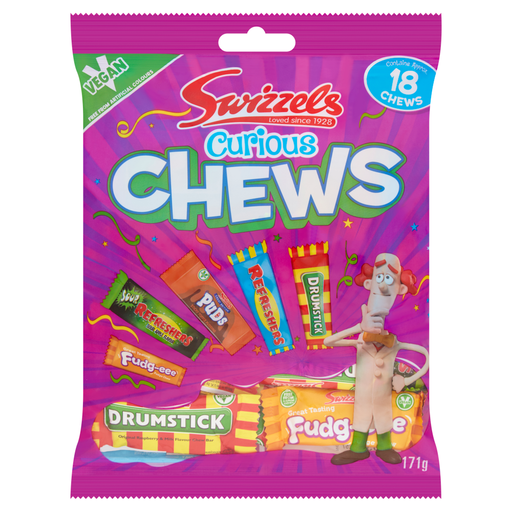
Why This Fits Their Persona: A 171g assorted pouch offers several fruit flavours, including lemon, strawberry and blackcurrant, making it suitable for sharing or an occasional family treat.
The stated net weight makes it easier to compare with smaller confectionery packs. The ingredient list also identifies gelatine and possible milk traces before purchase.
171g pouch; assorted soft and chewy texture; made in the United Kingdom.
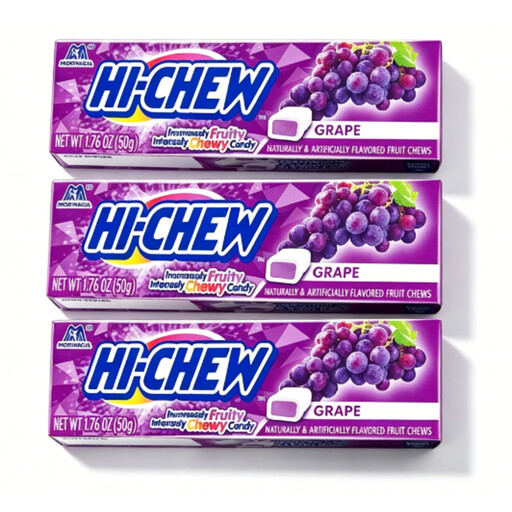
Why This Fits Their Persona: Fans of Japanese sweets get three 50g packs with a soft, chewy texture and grape flavour, suitable for portioning between occasions.
The three-pack format provides a clear quantity comparison, while the product information flags soya and gelatine for dietary checking.
Three individually packaged 50g units; grape juice concentrate listed; product of Japan.
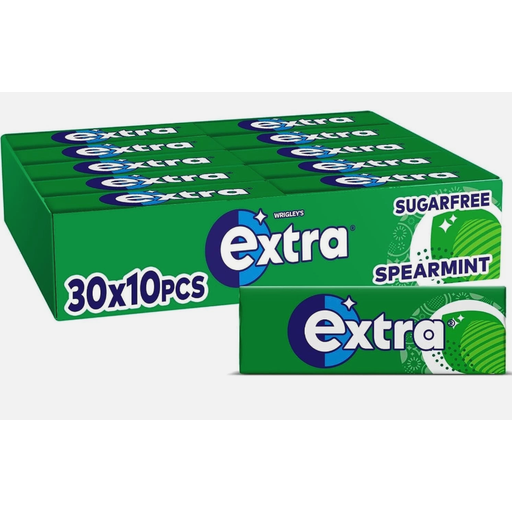
Why This Fits Their Persona: The 30-pack format supplies 300 pieces for households, offices or regular post-meal use without repeatedly reordering small packs.
The piece count is explicit, helping shoppers compare bulk chewing gum by quantity. The label also states that it contains sweeteners and a source of phenylalanine.
300 pieces in 30 packs; sugar-free spearmint flavour; suitable for vegetarians according to the supplied product information.
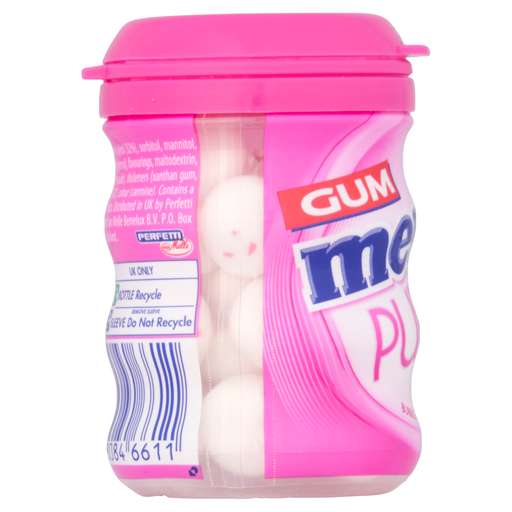
Why This Fits Their Persona: A compact 70g bottle is convenient for a handbag, car, desk or commute, while the bubble-style flavour offers an alternative to standard mint chewing gum.
The product format and 70g net quantity are stated clearly. Buyers can also see the sweetener warning, soya allergen and phenylalanine information before ordering.
70g bottle; sugar-free formula; liquid-filled centre and Bubblefresh flavour.
We have compiled a complete, real-time list of products that fully satisfy these strict selection criteria and UK safety regulations.
It can be a convenient option for many adults, but follow the pack instructions and avoid excessive consumption. Check the sweeteners, allergen information and any warning about polyols or phenylalanine. Sugar-free does not mean calorie-free or suitable for every dietary requirement.
Keep them sealed in a cool, dry place away from sunlight and heat. Close bottles and resealable tubes after use. Warm or humid conditions can affect the texture of chewy sweets and cause gum or sweets to stick together.
Compare cost per piece and net weight, not just the overall price. A 300-piece chewing gum multipack may suit regular users, while a 46-piece bottle may be more practical for occasional use. For sweets, a larger pouch usually works well for sharing, but smaller individually packaged options can make portioning easier.