
24/7 Customer Support

Free returns

Same-day & Next-day Delivery

Quality Guaranteed

Unlock Your Welcome Offers: FREE Delivery | Up to 80% OFF | Free 30-day JoyPlus trial
Download the APP
Buying sweets and confectionery online should be straightforward, but colourful packaging and phrases such as “natural”, “fruit-flavoured” or “suitable for sharing” can hide important differences. A small bag may be poor value for a party, while a large assortment may contain allergens or colours that are unsuitable for your intended audience.
This guide explains what to check before buying gummy sweets, fizzy sweets, chewy sweets, assorted sweets and other treats for lunchboxes, sweet jars, parties or gifts.
A large bag is not automatically the right choice. A 125g sharing bag may suit a film night, while a 900g or 1kg bag is more practical for party sweets, office jars or repeated family use. Compare the net weight, number of pieces and whether the sweets are individually wrapped.
For example, a 1kg fizzy mix offers variety for group occasions, but a 65g gummy bag is easier to portion and store. Buying bulk sweets without a clear use case can lead to opened packaging, loss of texture and unnecessary waste.
Terms such as “vegan”, “vegetarian” and “fruit-flavoured” describe specific product attributes, not a guarantee that every shopper can consume the product. Gummy sweets and chewy sweets often contain gelatine, while vegan sweets may use pectin or other gelling agents.
Always check the current packaging for allergens in bold, including milk, wheat, soya, nuts and sulphites. Cross-contact statements such as “may contain” also matter. Product information can change, so the pack should take priority over older online descriptions.
Small sweets, hard-boiled lollipops and gum-filled treats can present a choking risk for young children. Many products are marked as unsuitable for children under 36 months, while some gummy products recommend supervision or a higher minimum age.
Some confectionery containing colours such as E104, E110, E129 or E122 carries the UK-required warning that the colour may have an adverse effect on activity and attention in children. This does not mean the product is prohibited, but it is relevant when choosing children’s sweets or party bag fillers.
Choose the format around the occasion:
Texture can also affect storage. Cotton candy may collapse in humid conditions, while gummies can stick together if exposed to heat. Store confectionery in a cool, dry place away from direct sunlight, and follow the packaging instructions.
For personal treats or a lunchbox, smaller packs and individually portioned products can make storage easier. For family sharing, assorted sweets provide more flavour variety, while sharing bags are suitable for placing in a bowl.
For parties, consider how the sweets will be distributed. Individually wrapped lollipops and small fruit packs are convenient for goody bags. A large mixed bag is more suitable for a pick-and-mix table, sweet jar or buffet, but should be served with clean utensils.
Confectionery is generally intended as an occasional treat. Check the per 100g and, where provided, per serving nutrition panel. Sugar levels vary between products, but many sweets are high in carbohydrate and sugars.
Do not assume that “made with fruit juice” means the product has the same nutritional profile as fresh fruit. It may still contain glucose syrup, sugar or other sweeteners. Similarly, “vegan sweets” refers to the absence of animal-derived ingredients in the stated recipe; it does not mean sugar-free or low-calorie.
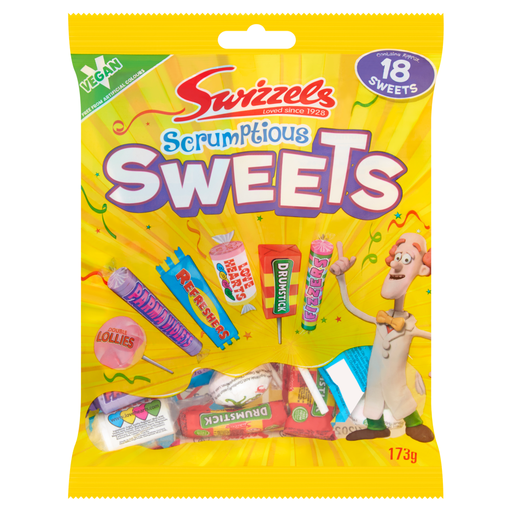
Why This Fits Their Persona: A mid-sized assortment gives individual shoppers and small households several familiar formats without committing to a bulk sweets bag.
The 173g net quantity is clearly stated, making it easier to compare with smaller treat bags and larger sharing packs.
Includes a mixture of fizzy, chewy and hard confectionery; made in the UK and individually wrapped pieces are included.
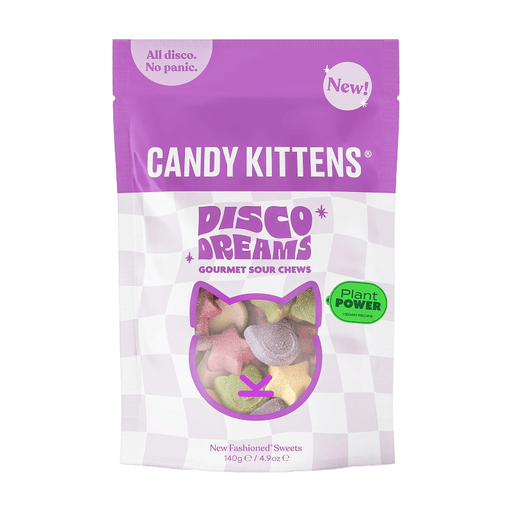
Why This Fits Their Persona: A plant-based option for shoppers prioritising a vegan recipe and distinct sour fruit flavours.
The ingredient list identifies pectin and potato protein rather than gelatine; check the pack for possible milk, nut, peanut and sesame traces.
Five fruit flavours; plant-based recipe; 140g sharing format.
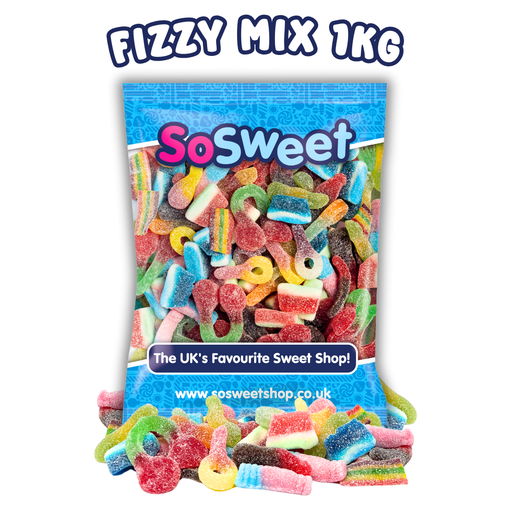
Why This Fits Their Persona: Designed for party tables, office jars, family film nights and larger pick-and-mix servings.
The 1kg quantity is stated upfront, while the wheat, gluten and possible milk, soya and mustard traces are listed for checking before serving.
Includes fizzy cherries, watermelon slices, sour worms and rainbow-style pieces; suitable for group sharing.
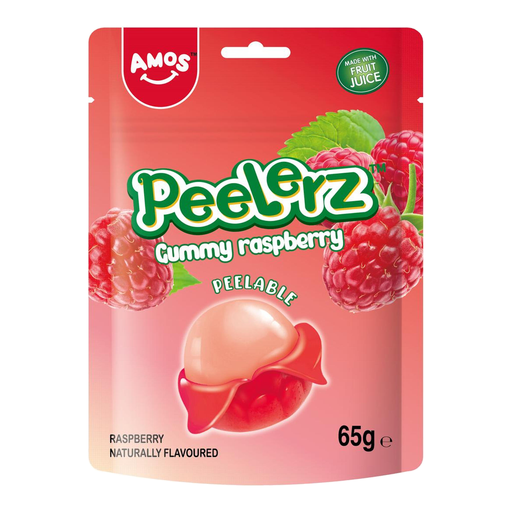
Why This Fits Their Persona: A small bag for shoppers who want a playful fruit-flavoured sweet with two textures rather than a conventional gummy.
The interactive peeling design is a clearly described format, while the ingredients identify beef gelatine and the nutrition panel lists 78g sugars per 100g.
65g peg bag; raspberry flavour; peelable outer layer and softer centre.
We have compiled a complete, real-time list of products that fully satisfy these strict selection criteria and UK safety regulations.
Individually wrapped sweets, small fruit packs and clearly labelled gummy sweets are practical choices. Check the minimum age, choking warnings, allergens and colour warnings before buying. Hard sweets and gum-filled lollipops need particular care and supervision.
Keep unopened confectionery in a cool, dry place away from direct sunlight and heat. Reseal opened gummy sweets in an airtight container if the packaging permits. Cotton candy should remain sealed and is best consumed shortly after opening because moisture affects its texture.
No. Vegan sweets avoid animal-derived ingredients in the recipe, but they may still contain or be made in an environment handling milk, nuts, peanuts, sesame or other allergens. Read the full ingredient and allergen statement on the packaging before purchase.