
24/7 Customer Support

Free returns

Same-day & Next-day Delivery

Quality Guaranteed

Unlock Your Welcome Offers: FREE Delivery | Up to 80% OFF | Free 30-day JoyPlus trial
Download the APP
Upgrading your car's lighting from standard halogen to a T10 W5W amber LED bulb seems like a simple task. The promise of a brighter, more modern look and a longer lifespan is appealing. However, many UK drivers find the process frustrating, often ending up with bulbs that flicker, trigger dashboard warnings or fail within months. As the Joybuy Product Recommendation Officer, my role is to help you navigate the market and identify the key features that separate a reliable bulb from a disappointing purchase.
Before you add any bulbs to your basket, let's look at the common traps that catch out even savvy DIY enthusiasts.
w5w error free, yet drivers of modern vehicles, especially European makes, still see that dreaded bulb-out warning on the dashboard. This happens because the car's computer expects the higher electrical resistance of a halogen bulb, and many cheap LEDs don't correctly mimic this.amber side marker bulbs, only to find that one is a slightly different shade of amber or noticeably dimmer than the others. This lack of quality control is a hallmark of poorly manufactured LED chipsets.To ensure you get a reliable and effective upgrade, focus on these three non-negotiable specifications. Understanding them will help you make an informed choice for your vehicle.
The CANBUS (Controller Area Network Bus) is your car's internal computer network. When you replace a standard bulb, the system can detect the lower power draw of an LED and mistakenly report it as a fault. A genuinely compatible 501 canbus led bulb has a built-in load resistor or an intelligent IC driver. This component mimics the power consumption of a halogen bulb, satisfying the CANBUS system. Look for products that mention having a built-in intelligent IC driver or specify compatibility with a high percentage of modern vehicles, as this indicates a more robust design.
The T10 fitting is one of the most common in vehicles, but it goes by several names. You will see it listed as W5W, 501, 194 and 168. These codes all refer to the same wedge-style base. These bulbs are versatile and often used for various applications, from car interior lights and number plate illumination to side markers and parking lights. Always double-check your vehicle's owner's manual or inspect the existing bulb to confirm the fitment code before purchasing.
The heart of any LED bulb is its chipset. The type and number of Surface Mounted Diodes (SMDs) determine its brightness and longevity. Bulbs using chipsets like 3014 SMD are known for their efficiency and light output. Furthermore, look for bulbs with a 360-degree lighting angle. This design ensures light is distributed evenly, preventing the dim or "spotty" appearance of lower-quality alternatives. Finally, consider the construction. A bulb with an aluminium body provides far superior heat dissipation compared to a simple plastic one, which is critical for ensuring a long service life. A standard 12v t10 led is suitable for most cars, but some options offer a wider 12-24V range for added stability.
Instead of a generic list, we've matched specific bulbs to different types of UK drivers based on their likely priorities.
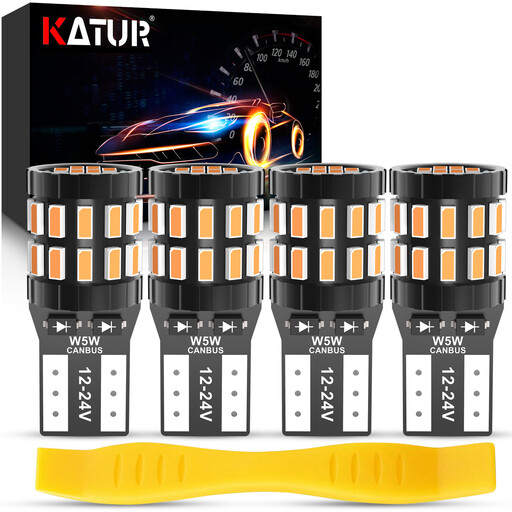
Why This Fits Their Persona: This user wants a noticeable and hassle-free upgrade. They value high brightness and a simple plug-and-play installation for a weekend project.
The use of 30 high-power 3014 SMD chipsets per bulb ensures consistent, powerful illumination, directly countering the inconsistent brightness pitfall.
Features a wide 12-24V operating voltage for enhanced stability and a 360-degree viewing angle that eliminates dark spots.
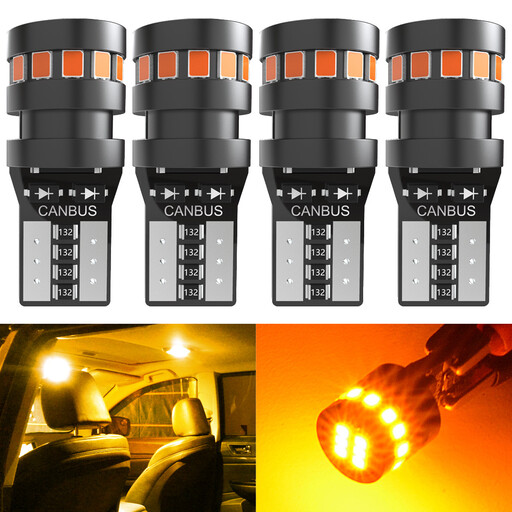
Why This Fits Their Persona: This driver likely owns a newer car with a sensitive computer system. Their main priority is avoiding dashboard error messages without compromising on brightness or longevity.
Its full aluminium body design provides superior heat dissipation, directly addressing the premature failure trap. The "Nearly 99% Canbus Error free" claim is a realistic take on the CANBUS challenge.
Built with an intelligent IC driver to optimise performance and prevent short circuits, making it a robust choice for sensitive vehicle electronics.
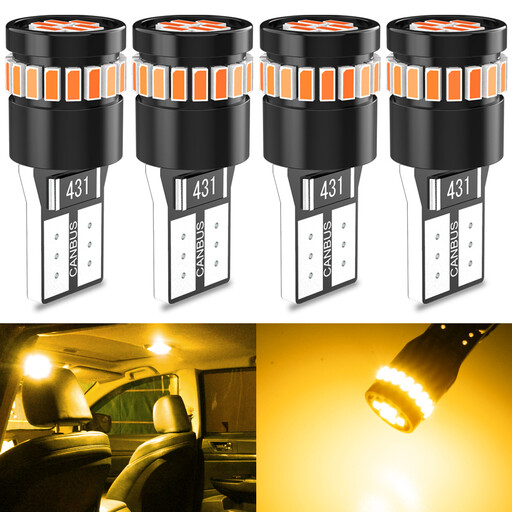
Why This Fits Their Persona: This user seeks a reliable, cost-effective upgrade. They want a bulb that performs well, fits perfectly, and offers a good balance between brightness and price.
Its 1:1 mini design is sized to match the original halogen bulb, ensuring a perfect fit and avoiding installation headaches. The 24-chipset design provides bright, even light without being overly expensive.
Offers a true plug-and-play experience with a strong focus on CANBUS compatibility, delivering excellent value for a noticeable lighting improvement.
We have compiled a complete, real-time list of products that fully satisfy these strict selection criteria and UK safety regulations.
The T10/W5W/501 fitment is extremely common in UK vehicles for side marker lights, number plates and interior courtesy lights. However, car manufacturers can use different bulbs even within the same model year. The most reliable way to ensure compatibility is to check your car's owner's manual or remove the existing bulb to read the code printed on its base before you order.
This usually happens in cars with particularly sensitive CANBUS systems, such as those from Audi, BMW and Volkswagen. While high-quality w5w error free bulbs with intelligent drivers work for the vast majority of vehicles, these sensitive systems may require an even more specific resistance. Choosing a bulb that explicitly mentions a high compatibility rate and features a quality IC driver greatly reduces this risk.
Many brands claim lifespans of 50,000 hours or more, but real-world performance depends heavily on heat management. An LED bulb's enemy is heat. Models constructed with aluminium bodies or other heat-dissipating materials will significantly outlast all-plastic versions. A well-made T10 W5W amber LED bulb should realistically provide many years of reliable service, far exceeding the one or two years you might get from a standard halogen bulb.