
24/7 Customer Support

Free returns

Same-day & Next-day Delivery

Quality Guaranteed

Unlock Your Welcome Offers: FREE Delivery | Up to 80% OFF | Free 30-day JoyPlus trial
Download the APP
Buying table tennis balls in bulk looks straightforward until inconsistent bounce, cracked seams and misleading star ratings begin disrupting practice sessions. For UK clubs, schools and sports facilities, the wrong choice can create unnecessary replacement costs and interrupt coaching schedules.
Before ordering, watch for three common traps:
Star ratings are a useful starting point, but they are not a complete buying guide.
For league matches or formal events, always check the rules of the governing body or competition organiser. An ITTF certification statement is relevant to competition selection, while training grade is more important for clubs buying large quantities for drills.
Many current table tennis balls use ABS polymer, a plastic material selected for impact resistance and consistent shape. ABS seamed ping pong balls can be practical for repeated club use, but seam quality and overall roundness still matter.
A ball with a visibly uneven seam may produce an unpredictable flight or rebound. For training, this can be frustrating when coaches are feeding balls at speed. For matches, even small inconsistencies can affect timing and spin control.
Look for clear information about:
No material removes the need for sensible storage. Keep balls away from direct sunlight, high temperatures, sharp objects and unnecessary compression.
The appropriate quantity depends on the session format. A small box is practical for home play or match preparation, while a table tennis balls pack of 100 is more suitable for academies, schools and multi-ball coaching.
High-volume users should also consider collection time. A table tennis ball collector with an adjustable standing handle can reduce repeated bending during drills and make it easier to clear the floor between exercises. This is particularly useful when a coach is feeding dozens of balls continuously.
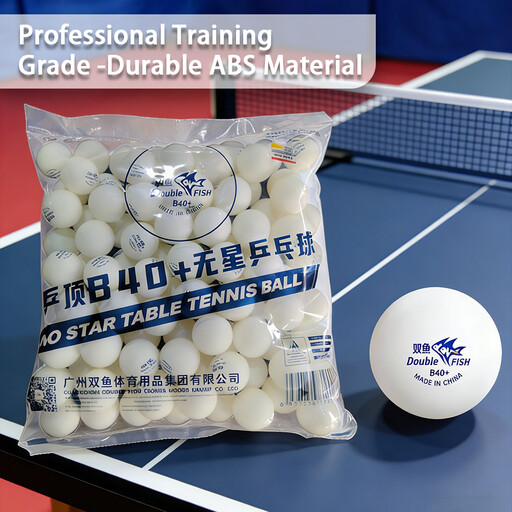
Why This Fits Their Persona: A bulk format suits beginners, school clubs and recreational groups that need plenty of balls for basic serving, footwork and rally exercises.
Its no-star training grade is clearly positioned for practice, helping buyers avoid paying competition-ball prices for drills.
New ABS material, seamed construction and a pack of 100 balls for repeated coaching use.
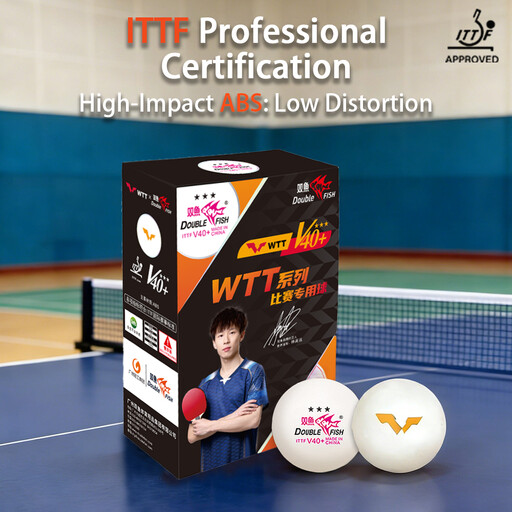
Why This Fits Their Persona: Suitable for competitive players and clubs that prioritise a stated ITTF and WTT certification alongside a smaller match-oriented pack.
The listing identifies the ball as 3-star and certified; still confirm the current pack quantity and approval details before ordering.
High-impact ABS material, seamed construction and stated ITTF and WTT certification.
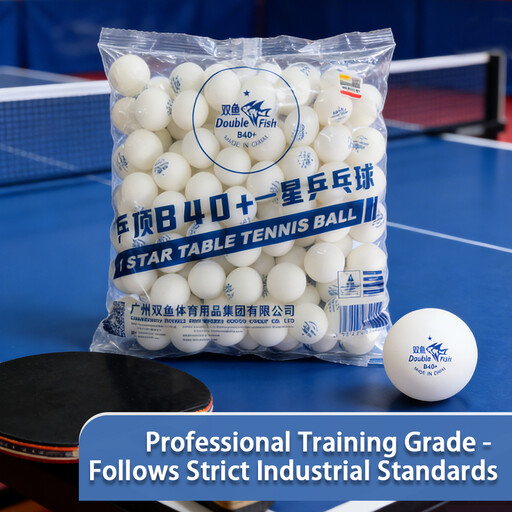
Why This Fits Their Persona: A practical option for coaches, academies and facilities running frequent multi-ball sessions with repeated smashes and fast collection cycles.
The one-star professional training description sets a clearer expectation than a generic “match” label.
New ABS polymer, pack of 100 and stated resistance to cold, heat and air shipping.
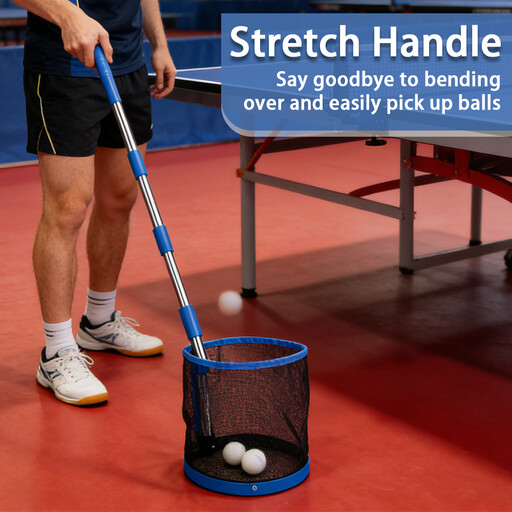
Why This Fits Their Persona: Designed for coaches and venue managers who need to clear large numbers of balls without repeatedly bending during busy sessions.
Its standing telescopic design avoids the hidden inconvenience of handheld collection, while the tight mesh helps prevent balls slipping through.
Adjustable stainless steel handle, non-slip grip and large-capacity high-strength mesh pocket.
Wipe the surface with a soft, dry cloth after use and store balls in a cool, dry place. Avoid leaving them in a hot car, near radiators or under heavy equipment. Replace balls showing cracks, dents or significant seam damage, as these defects can affect rebound and flight.
For clubs, storing training balls separately from match balls makes stock control easier. Label containers by grade and inspect bulk deliveries before distributing them across tables.
We have compiled a complete, real-time list of products that fully satisfy these strict selection criteria and UK safety regulations.
Yes, they can be used for training, particularly when players want a match-like feel. However, clubs may prefer no-star or one-star training balls for high-volume drills because they are supplied in larger quantities and can be more economical to replace.
There is no fixed lifespan. Use intensity, table surface, storage conditions and impact with surrounding equipment all affect service life. Inspect balls regularly and remove any that become cracked, dented or visibly misshapen.
A collector is useful when coaching multi-ball exercises or running sessions across several tables. A standing model with an adjustable handle can speed up retrieval and reduce the need to bend repeatedly, helping keep practice moving.