
24/7 Customer Support

Free returns

Same-day & Next-day Delivery

Quality Guaranteed

Unlock Your Welcome Offers: FREE Delivery | Up to 80% OFF | Free 30-day JoyPlus trial
Download the APP
As a Joybuy Product Recommendation Officer, I often see people fall into the same traps when buying table tennis equipment. The market is filled with gear that looks the part but fails to deliver, leading to frustration and wasted money. Whether you're a family looking for some garden fun or an aspiring club player, choosing the right equipment is crucial for enjoying the game.
Before you add anything to your basket, let's look at the common pitfalls that catch out UK buyers and how you can sidestep them to find gear that truly matches your needs.
To make a smart purchase, focus on the functional specifications, not just the marketing. Here are the core parameters to check.
A racket's performance comes from the synergy between its blade and rubber.
Table tennis balls are not all created equal. The rating system is a reliable indicator of quality.
Based on these practical criteria, here are some equipment choices matched to different types of players.
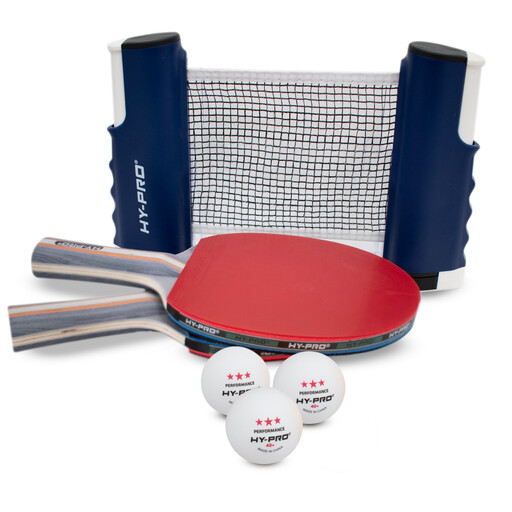
Why This Fits Their Persona: Perfect for spontaneous fun, this portable ping pong set turns almost any dining or picnic table into a playing surface. It's ideal for holidays, garden parties or simply keeping the family entertained at home without needing a full-size table.
It sidesteps the "complete set" illusion by being exactly what it claims to be: a convenient, portable solution for casual play. It doesn't promise professional performance, focusing instead on ease of setup and all-in-one value.
Includes everything needed to play immediately: two bats, balls and a net. The entire table tennis set packs away into a compact carry case for easy transport and storage.
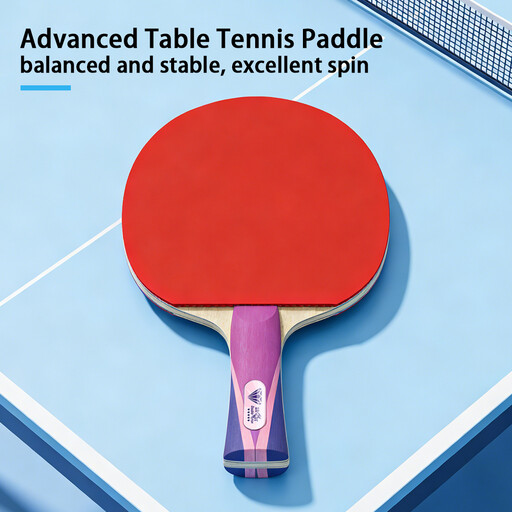
Why This Fits Their Persona: For the player who has mastered the basics and is now joining a club or looking to develop advanced techniques. This racket is built to help generate powerful spin on loop drives and offers the balance needed for all-around competitive play.
It avoids the "professional" label trap by providing clear technical specifications. The description details its 7-ply natural wood core and all-around high-tension rubber, tangible features that justify its performance claims for advancing players.
Offers advanced spin control and a balanced feel. The ergonomic handle is designed for comfort during long practice sessions, helping players focus on technique without distraction.
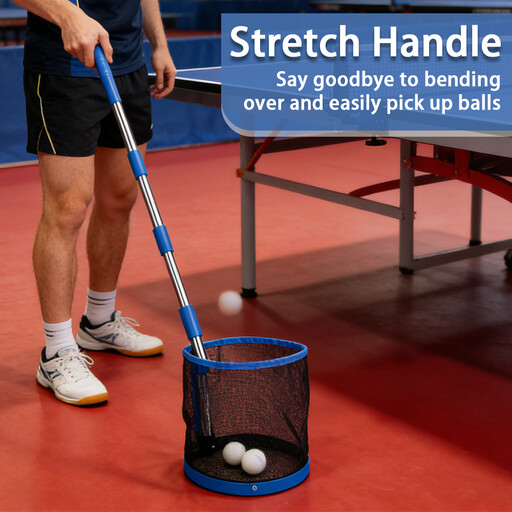
Why This Fits Their Persona: For clubs, coaches or any player who engages in high-volume multi-ball training, this tool is essential. It dramatically speeds up the process of clearing the floor, maximising practice time and reducing the physical strain of constantly bending over.
This table tennis ball collector is a purpose-built solution to a real problem, not a gimmick. It directly addresses the inefficiency of manual ball collection, a major pain point in any serious training environment.
The telescopic stainless steel handle adjusts for user height, preventing back strain. Its large-capacity mesh pocket holds over a hundred balls, ensuring training sessions flow with minimal interruption.
We have compiled a complete, real-time list of products that fully satisfy these strict selection criteria and UK safety regulations.
1. How long does a table tennis racket last? The lifespan depends on its quality and your frequency of play. For a casual player, a good quality bat can last for several years. For serious and competitive players, the rubber is the most important factor. To maintain optimal grip for spin, many players replace their rubbers every 6 to 12 months. The blade itself, if cared for and protected from impacts, can last for many years.
2. What is the difference between a shakehand and penhold racket? The difference is entirely in the grip style. A shakehand racket is held with the handle in your palm, much like shaking hands, which is the most common style in the UK. A penhold paddle has a shorter handle and is gripped between the thumb and forefinger, similar to holding a pen. This style allows for more wrist flexibility and is popular in many Asian countries. The choice is a matter of personal comfort and playing style.
3. Are more expensive ping pong balls really worth it? For competitive play or serious training, absolutely. 3-star table tennis balls are manufactured to precise standards for roundness, hardness and weight. This results in a very consistent bounce and flight path, which is crucial for developing reliable technique. For casual games with family and friends, less expensive 1-star or training-grade balls are perfectly suitable and offer great value.