
24/7 Customer Support

Free returns

Same-day & Next-day Delivery

Quality Guaranteed

Unlock Your Welcome Offers: FREE Delivery | Up to 80% OFF | Free 30-day JoyPlus trial
Download the APP
Buying table tennis equipment can seem straightforward until you compare ball ratings, materials, collection tools and intended use. A low-cost pack may be suitable for occasional family games but frustrating for coaching, while competition-style balls may be unnecessary for young beginners.
The main challenge is separating useful specifications from vague marketing language. Before ordering, check the ball standard, construction, quantity and whether the accessories match your playing environment. This guide explains the practical details UK players, parents, schools and clubs should consider.
White ping pong balls can look almost identical online, yet their playing characteristics may differ. Product pages may use phrases such as “professional feel” or “high performance” without clearly stating the ball rating.
For structured training or organised matches, look for clear information such as 40+, ABS, 3-star rating, and, where relevant, ITTF or WTT certification. For casual play, a basic training ball can be more economical.
A 3-star label is useful, but it should not be treated as the only selection factor. Check whether the listing identifies a recognised certification and whether the ball is made from modern plastic such as ABS. If certification is important for a club or event, retain the product information and confirm the requirements of the relevant league or organiser.
Coaches often focus on buying enough table tennis balls but overlook what happens after a multi-ball session. Picking up dozens of balls by hand takes time and can interrupt training. A ping pong ball collector or standing table tennis ball picker with a telescopic handle can make drills easier to reset.
Also consider storage. Balls exposed to direct sunlight, heat or sharp objects may deform, even when the original purchase was suitable for training.
Modern competition balls are generally marked 40+, referring to the current larger ball format used in organised table tennis. ABS construction is commonly selected for its resistance to everyday impact and its ability to retain a consistent shape during repeated practice.
For children or recreational users, visual designs can make sessions more engaging, but the product description should still explain whether the balls are intended for training, coordination activities or match play.
The star system provides a quick guide to intended use:
A club may need both training balls for drills and certified match balls for fixtures. Buying one type for every activity can increase costs without improving every session.
For a ball picker, inspect the handle material, adjustment range, grip and mesh construction. A stainless steel telescopic handle can be useful in busy venues because it folds for storage and allows players to collect balls without repeatedly bending down.
A tight mesh pocket helps prevent balls from escaping. Larger capacity is valuable for coaching centres and clubs, while a compact collector may be sufficient for a home table. Check the safety instructions, particularly around telescopic mechanisms, and inspect the mesh regularly for damage.
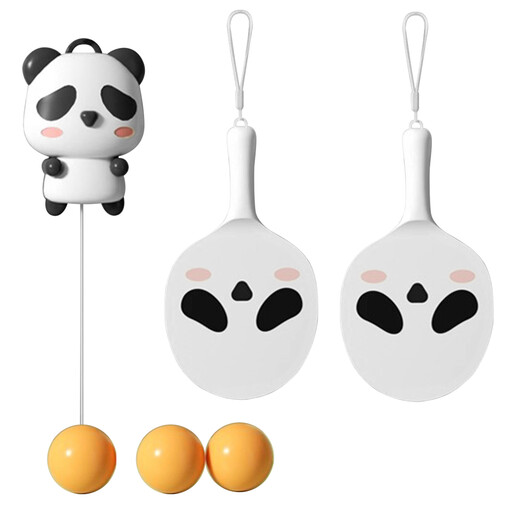
Why This Fits Their Persona: A practical choice for parents introducing children to table tennis at home, particularly where visual design and coordination activities are priorities.
The listing identifies these as training balls for children, helping buyers avoid treating a decorative or recreational ball as a competition ball.
Child-focused panda pattern and a stated coordination-exercise use case.
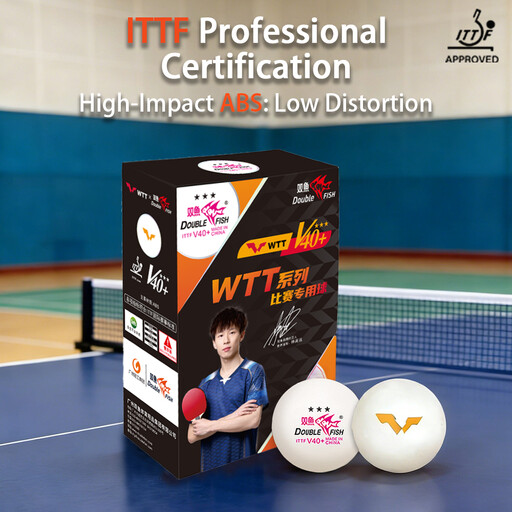
Why This Fits Their Persona: Suited to serious players, clubs and competitors who want clearly stated match-oriented specifications rather than a general-purpose training pack.
The listing states V40+, ABS construction and ITTF Professional and WTT certification, giving buyers specific details to verify for their intended event.
High-impact ABS material and a six-ball display box; the listing specifies roundness and bounce requirements.
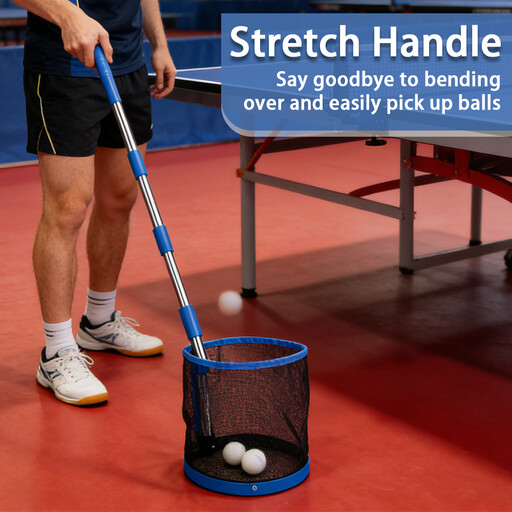
Why This Fits Their Persona: Designed for coaches, table tennis equipment for clubs, schools and training centres where repeated ball collection is part of every session.
Its telescopic handle and large-capacity tight mesh address the common problems of bending repeatedly and losing balls through a loose collector.
Stainless steel retractable handle, non-slip grip and mesh capacity stated as over one hundred ping pong balls.
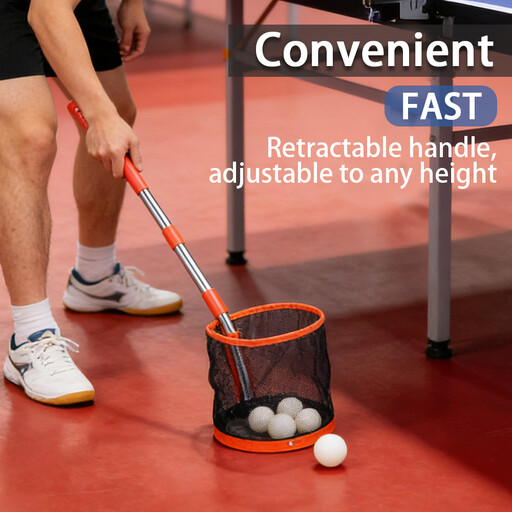
Why This Fits Their Persona: A sensible option for shared halls and home spaces where equipment needs to be collected, moved and stored between sessions.
The folding telescopic design reduces storage demands, while the high-density mesh is designed to prevent balls slipping out during collection.
One-second folding design, adjustable handle height and rust-resistant stainless steel construction.
Before purchasing table tennis equipment, confirm:
For casual home play, a small pack may be sufficient. Coaches using multi-ball drills usually need a larger supply because balls are intentionally fed and collected repeatedly. A ball picker can reduce interruptions and make a larger training-ball supply easier to manage.
Not usually. They are more relevant to clubs, leagues and players who want practice conditions aligned with organised competition. For family games or beginners, training balls can provide a more economical option.
Keep them in a cool, dry place away from direct sunlight, high temperatures, open flames and sharp objects. Avoid crushing them under heavy equipment. Separating match balls from general training balls can also help you reserve certified stock for fixtures and important practice sessions.