
24/7 Customer Support

Free returns

Same-day & Next-day Delivery

Quality Guaranteed

Unlock Your Welcome Offers: FREE Delivery | Up to 80% OFF | Free 30-day JoyPlus trial
Download the APP
A table top mini fridge can be a game-changer, whether you are a university student needing to keep milk fresh in your student room, an office worker wanting chilled drinks at your desk, or a homeowner looking for overflow storage. However, the market is filled with models that promise much but deliver little. Choosing the wrong one can lead to noisy distractions, surprisingly high electricity bills and a short lifespan.
As the Joybuy Product Recommendation Officer, my role is to help you see past the marketing jargon. This guide focuses on the practical realities of owning a compact fridge in the UK, highlighting common pitfalls and the key features that truly matter.
Before you add any model to your basket, be aware of these frequent issues that can turn a convenient appliance into a daily frustration.
To make a sound choice, focus on objective specifications rather than vague marketing claims. Here are the three most important factors to check.
Instead of providing a generic list, we have matched specific models to the people they are most suited for, helping you find a fridge that fits your lifestyle.
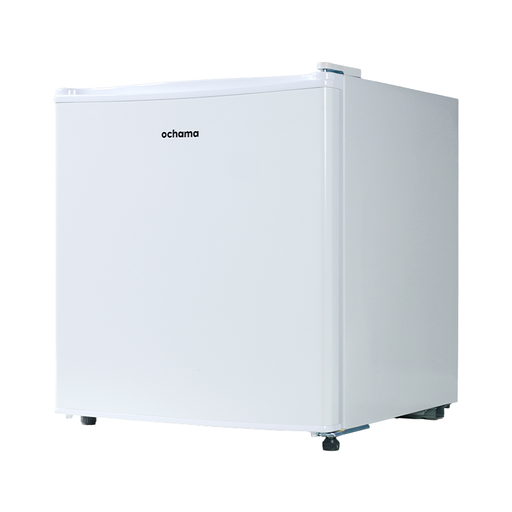
Why This Fits Their Persona: This fridge is ideal for student rooms or shared flats where space and budget are tight. Its very small footprint (less than 0.21m?) and low running costs are perfectly suited to student life, providing essential storage for drinks, fruit and snacks without breaking the bank.
It directly counters the noise and energy pitfalls with a stated running noise of ≤41dB and daily power consumption of just 0.35 kWh, ensuring it will not be a distraction during late-night study sessions or a drain on a student budget.
Features a 7-speed temperature knob for precise control between 2-8℃. The interior includes an adjustable glass shelf and door racks for organised storage.

Why This Fits Their Persona: For those who have a dedicated home office, this CHiQ mini fridge offers both function and form. The premium Dark Inox finish looks smart and professional, while the 46-litre capacity is perfect for storing a day's worth of drinks, lunch and snacks, keeping you focused and hydrated without trips to the kitchen.
This model specifies a quiet 41 dB operation, avoiding the noise trap. Its reversible door directly addresses the placement issue, allowing you to adapt it to any office layout, whether it's on a worktop or as an under desk fridge.
The fully reversible door offers unmatched placement flexibility. It also includes a removable wire shelf to help organise contents efficiently.
We have compiled a complete, real-time list of products that fully satisfy these strict selection criteria and UK safety regulations.
Here are answers to a few common questions UK buyers have about table top mini fridges.
The running cost depends on the model's energy consumption and your electricity tariff. For example, a fridge using 0.35 kWh per day (127.75 kWh per year) at an electricity rate of 25p per kWh would cost approximately ?32 per year to run. Always check the kWh/annum figure on the energy label for the most accurate estimate.
Yes, absolutely. This is critical for the appliance's performance and longevity. Most manufacturers, like CHiQ, recommend leaving at least 5cm of clearance at the rear and sides to allow heat to dissipate from the compressor. Failing to do so can lead to overheating and component failure.
After delivery, you must let the fridge stand upright in its final position for at least 4 hours before plugging it in. This allows the compressor oils and refrigerant gases, which can be disturbed during transport, to settle. Plugging it in too soon can cause permanent damage to the cooling system.