Detailed route-and-plan reviewers
If you compare room photographs, route diagrams and booking notes side by side, give display space and readability more weight than minimum carrying weight. Check how your own files look when enlarged.


Choose a larger screen if you regularly examine detailed room photographs and route plans; an approximately 11-inch tablet may be easier to carry between hotel areas. Check the accessibility controls, your review apps and any annotation accessories on the exact model. A tablet can organise evidence, but it cannot establish whether a route meets a particular guest’s needs.
If you compare room photographs, route diagrams and booking notes side by side, give display space and readability more weight than minimum carrying weight. Check how your own files look when enlarged.
If you rely on spoken feedback, magnification or alternative ways to navigate, test those controls in the mapping, PDF and booking apps you will use. Google documents these options for Android, but their behaviour can vary by device and app.
If you move between reception, corridors and rooms while recording findings, consider how comfortably you can hold the tablet, enter notes and access the files you need away from a desk.
Start with the task that would be hardest to compromise: reading route evidence, using accessible controls, documenting findings or carrying the tablet around the property. Then test that task on the exact device and apps.
| Concern | What to check | Who this matters to |
|---|---|---|
| Reading plans and photographs | Open your usual route plans, PDFs and photographs at a usable zoom level. Check display size and reflections in the lighting where you will work. | If I need to compare fine details across plans and room photographs, I want enough space to read without constant panning. Around 34% of consumers put visual review first. |
| Accessible controls | Try the required screen reader, magnification and text or contrast settings in your actual review apps; menus and behaviour can vary by device. | When standard touch navigation or text is difficult for me to use, the controls must work throughout my review. Accessible interaction comes first for around 33% of consumers. |
| Recording findings | Confirm compatible pen or keyboard options and try annotating and sharing a sample file. Check what the exact bundle contains. | If I must mark a plan and attach notes to room photographs, I need a workable way to record those observations. Around 20% of consumers prioritise documentation. |
| Carrying and connection | Check the exact variant’s weight and how you will reach approved files when hotel Wi-Fi is unavailable; cellular access requires a suitable variant and service. | Moving through corridors and rooms makes a tablet harder to use if I cannot carry it comfortably or retrieve my files. Portability and connection take priority for around 13% of consumers. |
More screen space cannot replace usable navigation or an accessible app. Google notes that Android accessibility features and menus can vary by device.
Open a route PDF, enlarge and navigate it with the controls you need, then try annotating and sharing a photograph on the intended tablet.
Apple specifies 616 g for the 13-inch iPad Air Wi-Fi model and 464 g for the 11-inch iPad Air Wi-Fi model. That difference matters more if you inspect routes while standing than if you review files at a desk.
Handle the model with the case or carrying setup you intend to use before deciding whether the extra display area suits your workflow.
Pen and keyboard compatibility is model-specific, and Wi-Fi and cellular versions are different choices. A product-family description does not establish what comes with a particular variant.
Confirm the exact model and bundle, including the input accessories, charging equipment and connection you need.
A separate pen or keyboard adds equipment to carry; independent mobile access also requires a suitable cellular variant and data service.
Photographs and plans can help document a route, but they do not establish whether the physical space works for an individual guest. In Great Britain, the Equality Act 2010 duty to make reasonable adjustments concerns the circumstances of the actual service and disadvantage.
Check the route and room in person where possible, and clarify the intended guest’s requirements and the hotel’s arrangements rather than relying on a room label or plan alone.
Consider the specific iPad models if you prefer iPadOS for viewing and marking up route material.
The Galaxy Tab S10 FE+ is a large-format Android option for reviewing plans and photographs.
The Tab P12 with Matte Display is worth examining if reflections interfere with reading route notes.
These tablets offer different screen sizes and input setups for reviewing hotel route material. Compare the exact variant and accessories against the way you will read, annotate and carry your files.
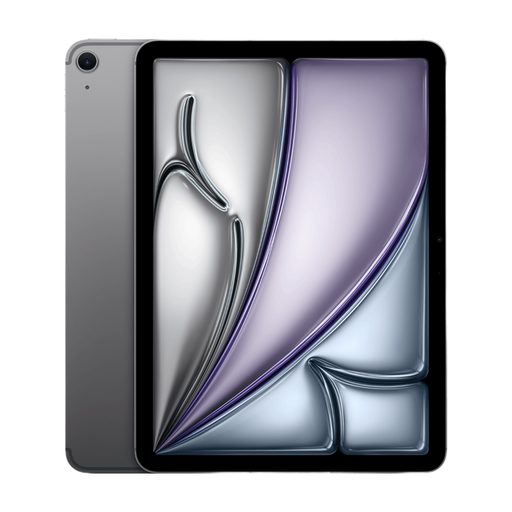 No image available
Consider this large-format iPad if you frequently inspect plans and room photographs. The product title identifies a 13-inch M4 model with Wi-Fi and 256GB storage; check the exact display specification before buying, as the listing also describes it as 14-inch. Confirm the accessibility workflow and any pen you need.
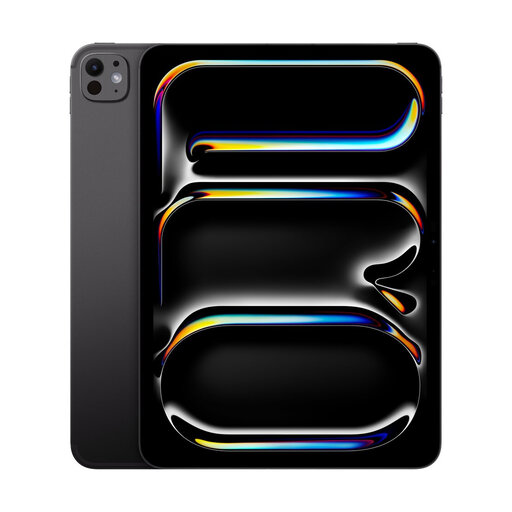 No image available
This 13-inch option suits a workflow centred on viewing larger route documents. The named variant has an M5 chip, Wi-Fi, 256GB storage and Standard Glass. Try your plans in the intended lighting and confirm the accessibility controls and annotation accessories you require.
 No image available
Consider this model if you want a larger display and an included pen for marking up review material. Its product name specifies a 12.7-inch 2K display, 256GB storage, Android 15, 4G LTE support and an included stylus. Test the required accessibility controls and apps, and check how comfortably you can carry it.
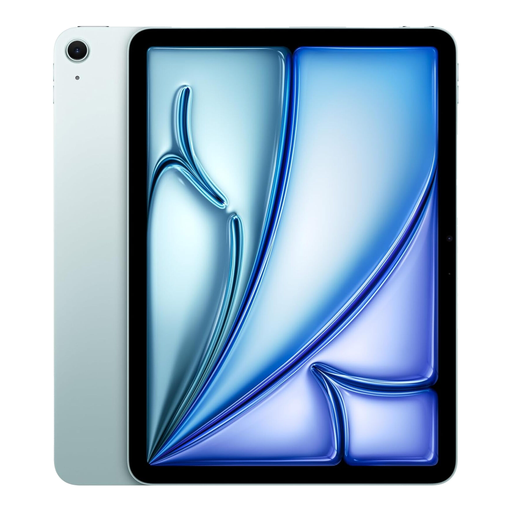 No image available
The 11-inch format is worth considering if you move around the hotel more often than you compare plans side by side. This named M3 variant has 256GB storage; check its weight and connectivity variant, and open your usual enlarged documents before choosing the smaller screen.
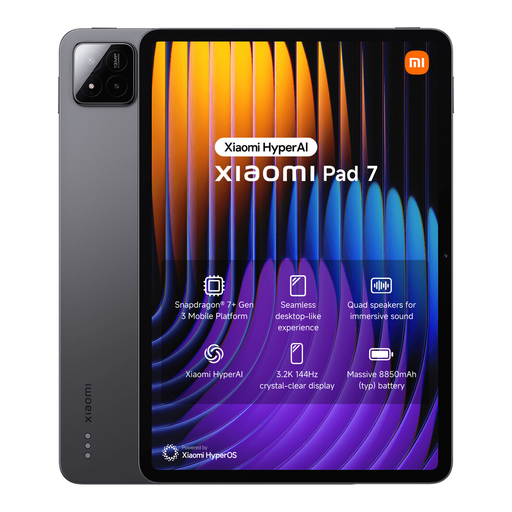 No image available
This tablet is an option if pen input is central to recording route observations. Its product name identifies 8GB RAM, 128GB storage and an included Focus Pen. Check the display against your usual plans, test the accessibility workflow and confirm the charging equipment you will use.
No. It can help record and share what you find, but suitability depends on the actual route, room and guest. In Great Britain, the Equality Act 2010 reasonable-adjustments duty concerns substantial disadvantage in the circumstances of the service; using a tablet does not itself determine whether that duty has been met.
Check the physical route and room against the intended guest’s requirements, including entrances, doors, thresholds, circulation space, lifts, bathroom arrangements, controls and alarms where relevant. Clarify the hotel’s arrangements rather than relying only on photographs, a digital plan or an accessible-room label.
Check the selected tablet and apps together before relying on them. Google documents Android features such as TalkBack, magnification and display or text controls, but available menus and app behaviour can vary by device and Android version.
A Wi-Fi model may suffice if you have approved connectivity or can download the material you need in advance. If independent access while moving around the property is essential, check that the exact tablet is a cellular-capable variant and arrange an appropriate data service.
The Equality and Human Rights Commission’s 2026 Code of Practice for services, public functions and associations came into force on 5 August 2026, when the 2011 code was revoked. It provides guidance for relevant services in Great Britain; applying the legal duties to a particular hotel still requires consideration of that property and its circumstances.