For occasional campsite map checks under shelter, start with a portable tablet that can display the map you need after you have downloaded it. If you expect to read maps in bright daylight or use the tablet around rain and dust, check the exact model’s display and protection specifications; repeated exposed use may warrant a rugged field tablet, provided its carrying burden suits you.
Who needs which tablet?
Occasional campsite map checker
If you mostly read a site map under cover and make occasional notes, focus on a screen you can read comfortably and a tablet you are happy to carry. Prepare the map before travelling rather than relying on a campsite connection.
Outdoor map user
If you expect to consult maps in daylight or around damp ground and changeable weather, check the exact model’s outdoor display specification and the conditions behind any dust or water-resistance rating.
Frequent site or field worker
If the tablet will be handled outdoors repeatedly, a rugged field model may suit the work. Check which protective case or other configuration its durability claims require, and consider the burden of carrying it around the site.
What matters when choosing?
For a campsite station map, decide whether your primary need is outdoor viewing and protection, access to a prepared map without a connection, or easy carrying.
| Concern |
What to check |
Who this matters to |
| Outdoor viewing and protection |
Check the exact model’s daylight display specification and what any dust or water rating covers. |
If I need to read labels outside and may encounter damp conditions, I want to know how the tablet and its accessories are protected. Roughly 42% of consumers put outdoor viewing and protection first. |
| Map access away from Wi-Fi |
Confirm that your mapping service can download the required area to the device, then open that map before departure. |
If the campsite connection fails, I still need the map I came to consult. Around 33% of consumers prioritise having the map ready without a live connection. |
| Easy carrying |
Compare screen size and device weight, and check whether the pen or protective case you need is included. |
For occasional checks around the site, I want enough room to read the map without carrying an unnecessarily cumbersome device. About 25% of consumers make portability their primary concern. |
Mistakes to avoid
-
Assuming the map will work without a connection
Owning a tablet does not put the required map on it. If campsite Wi-Fi or mobile coverage is unavailable, a map that needs a live connection may be inaccessible.
Check that your mapping service allows the area you need to be downloaded, open it before leaving, and consider a printed backup for navigation-critical information. Ordnance Survey offers guidance on downloading maps to a device.
-
Treating a case as a tablet water-resistance rating
A case and a model-specific ingress rating describe different things. Samsung UK states that the Galaxy Tab S10 FE’s IP68 claim is based on specified freshwater laboratory conditions; Lenovo describes the ThinkTab X11’s MIL-STD-810H certification as applying with its protective case.
Check the documentation for the exact tablet, pen and case configuration. Keep ports dry before charging, even if the tablet has a stated protection rating.
-
Choosing a rugged field tablet for occasional sheltered checks
Lenovo positions the ThinkTab X11 for repeated field work. Its protective configuration addresses a different pattern of use from reading a campsite map mainly under cover.
Match the protection you choose to how often the tablet will actually be exposed, and consider what you will carry between locations.
-
Using an unsuitable extension lead outdoors
Charging equipment used around campsite moisture needs to be suitable for that setting.
Electrical Safety First advises using outdoor-suitable extension leads and connectors with weather-resistant moulded connections. Keep charging connections protected from moisture.
Relevant brands to consider
Samsung
The Galaxy Tab S10 FE range is worth examining if you want a consumer Android tablet with a stated outdoor display mode and a model-specific protection rating.
- Samsung UK specifies a 10.9-inch display and up to 800 nits in High Brightness Mode for the Galaxy Tab S10 FE.
- Samsung’s IP68 claim for the tablet and supplied S Pen refers to laboratory exposure to up to 1.5 metres of freshwater for up to 30 minutes. Check the exact model and package; that claim does not cover every outdoor condition.
Apple
The iPad (A16) is a mainstream option to examine for map reading and annotation mainly under shelter, particularly if you already use Apple devices.
- Apple UK specifies an 11-inch display, 500-nit brightness, Apple Pencil support and a weight of 477 g for the Wi-Fi iPad (A16).
- Those specifications do not establish a rain-use rating. Apple Support advises keeping moisture out of product openings.
Lenovo
The ThinkTab X11 is a specialist field-tablet route to examine when map and site-information checks happen repeatedly outdoors.
- Lenovo UK describes the ThinkTab X11 as IP68-rated and designed for field conditions.
- Lenovo states that its MIL-STD-810H certification applies with a protective case. Check the configuration you would use rather than applying the claim to an unprotected tablet.
Joybuy tablets for map checks
These general-purpose tablets are options to examine for viewing a prepared campsite map. Check your mapping app and the exact model’s outdoor-use documentation before relying on either away from shelter.
 No image available
TABWEE T20 10.1-inch tablet with keyboard, mouse and stylus
Consider this model if you want to view a campsite map on a 10.1-inch tablet and may use a stylus for notes. Its listed configuration includes 256 GB of storage, a keyboard and a mouse. Check your mapping app’s offline downloads and whether the display and protection suit where you will use it.
View on Joybuy
 No image available
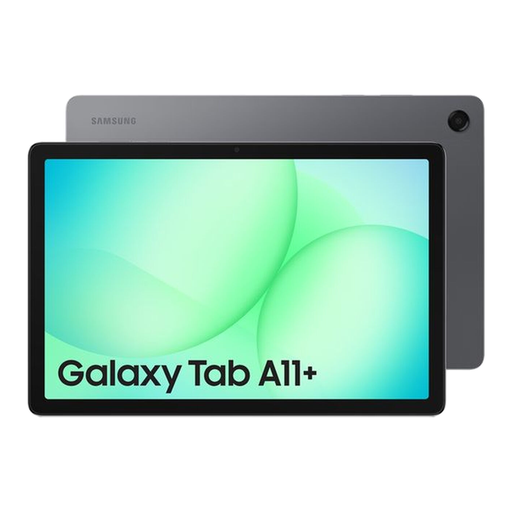
Samsung Galaxy Tab A11+ 8GB 256GB WiFi Gray
Consider this Wi-Fi model for campsite map checks when you can prepare the map before travelling. The listed variant has 8GB memory and 256GB storage. Confirm offline downloads in your chosen mapping app, and check the exact model’s display and protection documentation if you expect daylight or damp conditions.
View on Joybuy
Common questions
Is a Wi-Fi-only tablet enough for a campsite map?
A Wi-Fi-only tablet can be enough if your mapping service lets you download the required map and you test it before travelling. If you also need live information away from Wi-Fi, check coverage and the cellular arrangement you would use; a live connection does not replace a prepared map.
Can I use an IP68 tablet in campsite rain?
An IP68 rating does not cover every rainy campsite situation or every accessory. Samsung UK bases its Galaxy Tab S10 FE claim on laboratory exposure to up to 1.5 metres of freshwater for up to 30 minutes. Check the exact model’s conditions and keep charging ports dry.
What should I check before charging a tablet outdoors?
Keep the charging connection protected from moisture and use equipment suitable for outdoor conditions. Electrical Safety First advises that outdoor extension leads and connectors should be weather-resistant and have moulded connections.
How should I dispose of an old tablet?
Use an appropriate electrical-recycling route rather than putting a tablet in general household waste. GOV.UK identifies the UK Waste Electrical and Electronic Equipment Regulations 2013 as the relevant framework, while Oxfordshire County Council advises that battery-powered electrical items must not go in general waste. Follow your local council’s collection or recycling instructions.


