Choose the routing setup before the tablet: if a coach driver will follow a diversion, use commercial-vehicle navigation configured for that coach, rather than relying on a car route. A connected tablet can help someone check live changes, while downloaded maps offer a limited fallback when offline. Plan the route in advance, heed signed restrictions and never hold and use the tablet while driving.
Who needs which setup?
Coach drivers checking diversions
A driver needs routing that accounts for the coach’s dimensions and road restrictions, not simply the quickest car route. The Traffic Commissioners for Great Britain advise using navigation intended for commercial vehicles.
Passengers and dispatch staff
Someone who is not driving can use a connected map screen to check changes and discuss alternatives with the driver. If the connection drops, a downloaded map may still provide a route reference, but Google Maps says offline driving has no traffic information or alternative routes.
Crews using a tablet around vehicles
For shared or outdoor use, compare the exact model’s screen, glove operation and stated protection alongside navigation-app compatibility. Samsung lists these field-oriented features for its Galaxy Tab Active5 Pro; they should not be assumed for other models.
What matters when choosing?
Start with who will use the tablet and whether it must guide the coach. Then check connectivity, in-cab placement and the conditions in which the device will be handled.
| Concern |
What to check |
Who this matters to |
| Coach-appropriate routing |
Check for a bus, coach or commercial-vehicle profile and enter the coach’s actual dimensions and applicable restrictions. Continue to check road signs. |
If I am assessing a diversion for the driver, I need to know whether the coach can use the proposed roads, not just whether a car can. Around 36% of consumers put coach-appropriate routing first. |
| Live information and offline fallback |
Check mobile-data capability in the exact tablet variant and whether the intended map app lets you download the required area. Google Maps provides no traffic information or alternative routes while driving offline. |
A passenger or dispatcher following a changing diversion may need current information even away from Wi-Fi, with a downloaded map ready for a signal gap. For around 29% of consumers, that continuity is the primary concern. |
| Low-distraction in-cab use |
If the driver will view the tablet, check secure, unobstructed mounting and set up the route before moving. GOV.UK states that holding and using a tablet while driving is illegal. |
When I am driving, I need guidance I can view without holding the device or losing sight of the road. Keeping in-cab use lawful and manageable comes first for around 21% of consumers. |
| Field durability and readability |
Compare the exact model’s stated protection, screen brightness, glove-touch behaviour and mounting options for the intended conditions. |
For a crew sharing a tablet around vehicles or outdoors, rain, dust or gloves can change what is practical to use. Around 14% of consumers make field durability and readability their main concern. |
Mistakes to avoid
-
Following a car route in a coach
A car route may overlook restrictions relevant to a large vehicle. The Traffic Commissioners for Great Britain warn against using car-oriented satnav as the basis for commercial-vehicle routing.
Choose a service with a configurable coach or commercial-vehicle profile, enter the actual vehicle details and retain advance route planning.
-
Expecting live rerouting from a Wi-Fi-only tablet
Downloaded maps can provide guidance within the saved area, but Google Maps says traffic information and alternative routes are unavailable while driving offline.
If live checks are essential away from Wi-Fi, choose a suitable cellular variant or arrange a reliable data connection; download relevant map areas before departure as a fallback.
Using mobile data away from Wi-Fi also requires a suitable data plan or tethering arrangement.
-
Assuming a mount permits unrestricted tablet use
GOV.UK states that a driver must not hold and use a tablet while driving. A mounted screen can still obstruct the road view or distract from control of the vehicle.
Set the route before moving, position any mount without blocking visibility and leave detailed diversion searches to a passenger or dispatcher where possible.
-
Assuming every work tablet is rugged
Protection ratings, glove touch and display brightness belong to specific models and configurations, not to an entire brand or product category.
Check the exact tablet’s stated ratings and operating conditions, along with its power and vehicle-mount compatibility.
Relevant brands to consider
Samsung
The Galaxy Tab Active line is relevant where a tablet will be handled repeatedly around coaches or outdoors.
- Samsung lists IP68 protection, MIL-STD-810H compliance, glove-responsive touch, dual GPS, eSIM support and a 10.1-inch display rated up to 600 nits for the Galaxy Tab Active5 Pro.
- Check the exact UK variant, mount, data arrangement and intended coach-navigation app; those model-specific claims do not establish suitability for every installation.
Apple
The 11-inch iPad (A16) is a mainstream screen option for passenger, dispatcher or parked-use route checking.
- Apple lists an 11-inch display rated at 500 nits and Wi-Fi 6 across models; 5G and Gigabit LTE apply to Wi-Fi + Cellular models.
- Choose the Wi-Fi + Cellular variant if the tablet needs its own mobile-data connection, and check the intended app and mounting arrangement separately.
Lenovo
The listed Tab M11 configuration is relevant as a Wi-Fi route-reference screen when maps or documents can be prepared before travel.
- Lenovo’s UK listing specifies an 11-inch 1920 × 1200 anti-glare display rated at 400 nits, 128GB storage and Wi-Fi connectivity for that configuration.
- Do not assume that this configuration has its own mobile-data connection or that the intended commercial-navigation app will meet the coach’s routing needs.
Joybuy tablet options
These tablets offer different screen sizes and list mobile-data connectivity for checking route information. Before using any of them for coach guidance, check the exact variant, network compatibility, secure mounting and whether your intended navigation service supports the coach’s dimensions and restrictions.
 No image available
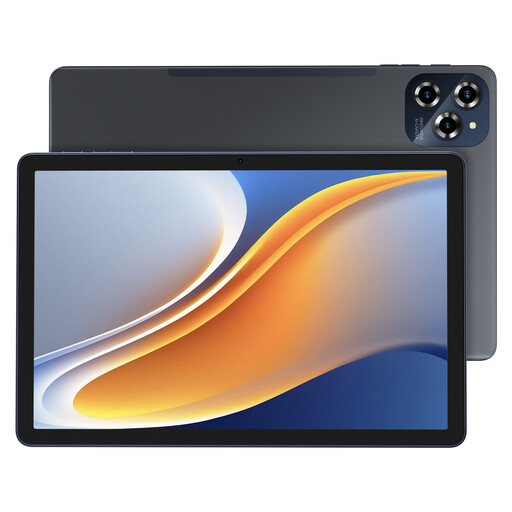
TABWEE W90 11-inch 4G tablet, 256GB
Consider this model for connected route checking where an 11-inch screen suits the available space.
The listing names dual-SIM 4G LTE and 256GB storage. Check network compatibility, the supplied configuration, a suitable mount and the intended coach-navigation app before purchase.
View on Joybuy
 No image available
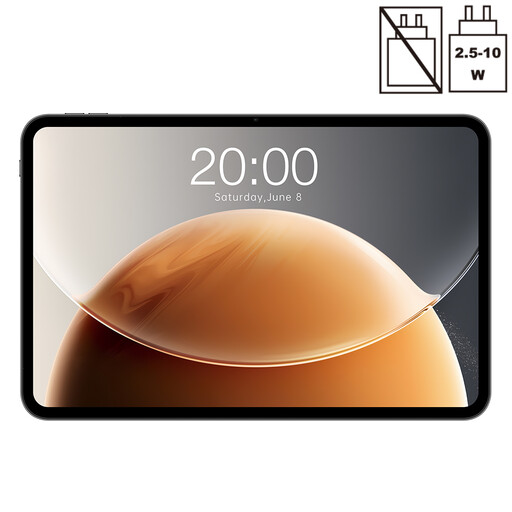
Teclast T65 13.4-inch 4G tablet, 128GB
A larger screen may suit a passenger or dispatcher reviewing a diversion, provided there is room to use it safely.
The product title lists a 13.4-inch 120Hz display, dual-SIM 4G and GPS. Check the exact mobile-data configuration, vehicle-mount fit and coach-navigation app before relying on it for a journey.
View on Joybuy
 No image available
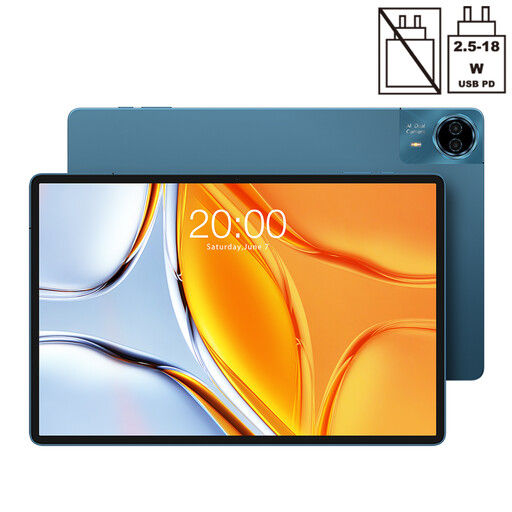
TECLAST T70 14-inch 4G LTE tablet, 256GB
This 14-inch option is worth considering for viewing route information while parked or by someone other than the driver; allow for its size when choosing where it will be used.
The title lists a 1920 × 1200 display, dual-SIM 4G LTE, GPS and 256GB storage. Confirm the supplied Android version, network compatibility, mounting arrangement and intended navigation app.
View on Joybuy
 No image available
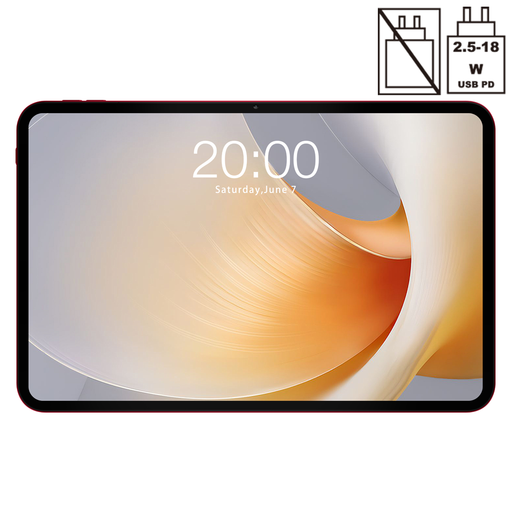
TECLAST T65 Plus 13.4-inch 4G LTE tablet, 256GB
The listed screen size may suit someone checking a map and route notes away from the driving task.
The title lists a 13.4-inch 120Hz display, dual-SIM 4G LTE, GPS and 256GB storage. Confirm whether the supplied model is T65 Plus or T65, then check app compatibility, network support and mount fit.
View on Joybuy
 No image available
TECLAST ArtPad Pro 12.7-inch 4G LTE tablet, 256GB with stylus
This model offers a larger route-reference screen for a passenger or dispatcher who also wants the listed stylus bundle.
The title lists a 12.7-inch 2K display, dual-SIM 4G LTE, GPS and 256GB storage, with a stylus included. Check the data connection, intended coach-navigation app and a safe way to position or carry the tablet.
View on Joybuy
Common questions
Can a coach driver hold a tablet to check a diversion?
No. GOV.UK states that holding and using a tablet while driving is illegal, including when stopped at traffic lights or queuing. Set up the route before moving; any hands-free device must not obstruct the road view, and the driver must remain in control.
Is a car-navigation app enough for a coach diversion?
Do not use a car route as the primary basis for guiding a coach through a diversion. The Traffic Commissioners for Great Britain advise commercial-vehicle navigation; configure it for the actual coach, plan ahead and follow signed restrictions.
Will a Wi-Fi-only tablet help if the connection drops?
Yes, for map areas downloaded before departure. Google Maps says offline driving cannot provide traffic information or alternative routes, so arrange a data connection if live changes are essential.
Does commercial navigation make every diversion safe for a coach?
No. TomTom says its navigation cannot guarantee complete accuracy and that drivers must heed signs concerning vehicle dimensions and weight. Use the configured route as an aid, not a replacement for checking restrictions and exercising judgement.


