PDF and map readers
If you mainly check day plans, maps, tickets and booking confirmations, focus on a screen you can read and zoom comfortably while holding the tablet.


For reading and marking up an itinerary in a coach seat, start with a tablet you can comfortably hold; an approximately 11-inch model is a practical starting point. A larger screen gives maps and documents more room, while a keyboard-equipped tablet makes more sense if you also need to revise detailed plans. Check offline access, the exact accessory bundle and the weight of the configuration you intend to carry.
If you mainly check day plans, maps, tickets and booking confirmations, focus on a screen you can read and zoom comfortably while holding the tablet.
If you highlight changes or write on route plans during the journey, check pen compatibility and the exact accessories supplied with the tablet.
If your itinerary work includes spreadsheets or long messages, a keyboard and touchpad may matter as much as the screen used to read the plans.
Decide whether you will mainly read, annotate or revise the itinerary, then check how you will reach your files when coach Wi-Fi is unavailable.
| Concern | What to check | Who this matters to |
|---|---|---|
| Reading and annotation | Compare screen size and handheld weight; check pen compatibility and whether a pen is included. | If I need to read dense day plans and mark changes as we travel, I want enough document space without making the tablet awkward to hold. Around 40% of consumers put reading and annotation first. |
| Access away from Wi-Fi | Check whether files work offline; if live access is essential, check the exact cellular variant and likely coverage along the route. | When plans or booking details may change during the journey, I need a way to reach them without depending on coach Wi-Fi. For around 30% of consumers, dependable access is the primary concern. |
| Handheld use or detailed editing | Compare the carried weight, including a case, with the keyboard and stand arrangement needed for longer revisions. | I need to decide whether I will mostly hold the tablet to check plans or set it down to make substantial edits. That handling and workflow decision comes first for around 30% of consumers. |
Wi-Fi and cellular versions are distinct configurations. Ofcom's coverage checker can help you assess mobile service in places along your route, but it cannot promise uninterrupted access throughout a journey.
Download essential plans, maps and confirmations before departure. If you need live access, check the exact tablet variant and relevant coverage.
Using a cellular connection may also require a separate mobile-data plan.
The supplied accessories differ by configuration: Microsoft describes its Surface keyboard and Slim Pen as optional, while Samsung says the Galaxy Tab S10 FE purchase package does not include a travel adapter.
Check the in-box list for the exact tablet and make sure you have the input and charging accessories your journey requires.
Microsoft says actual Surface battery life varies with use, network conditions, signal strength and settings. A published figure therefore cannot tell you exactly how long your itinerary workflow will run.
Charge before departure and check your downloaded documents and charging arrangements before relying on the tablet for a full travel day.
A larger tablet can give maps more room but may be less comfortable to hold in a coach seat. Apple lists its 11-inch Wi-Fi iPad Air at 464 g and its 13-inch Wi-Fi model at 616 g, before a case or keyboard.
Compare the weight of the complete setup you would carry, especially if you expect to use it in your hands rather than on a tray.
The iPad Air range offers 11-inch and 13-inch options for choosing between a lighter handheld format and more document space.
Galaxy Tab S10 FE is a 10.9-inch Android option for reading and annotating itinerary documents, with separate Wi-Fi and 5G variants.
Surface Pro suits an itinerary workflow that involves substantial typing as well as reading, using a kickstand and optional keyboard.
The 12.1-inch Tab Plus Gen 2 configuration is relevant when viewing maps and document layouts takes priority over a smaller screen.
These tablets cover compact itinerary checking, larger-screen viewing and configurations with writing or typing accessories. Compare the exact variant with the way you expect to use your plans on the coach.
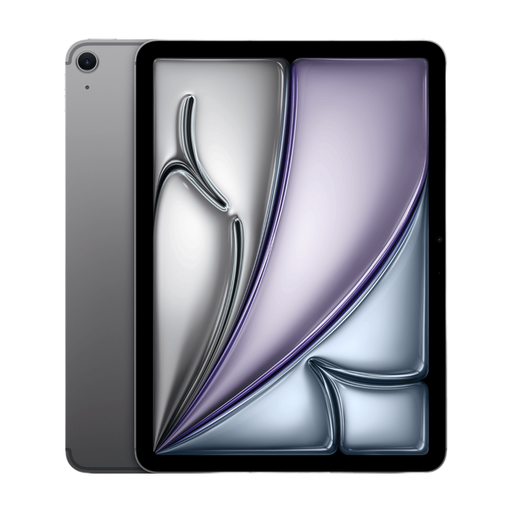 No image available
An 11-inch option for holding the tablet while reading itinerary pages. This configuration has Wi-Fi connectivity and 128GB storage; download essential files before travelling if you cannot depend on a connection.
For handwritten markup, check compatible Apple Pencil accessories separately.
 No image available
Consider the larger screen if viewing maps and marking itinerary pages matters more than holding a compact tablet. The product name specifies a 12.7-inch 2K display, 256GB storage, dual-SIM 4G LTE and an included stylus.
Check the tablet's weight for handheld use. Mobile access also depends on a suitable data connection and coverage; keep essential files offline.
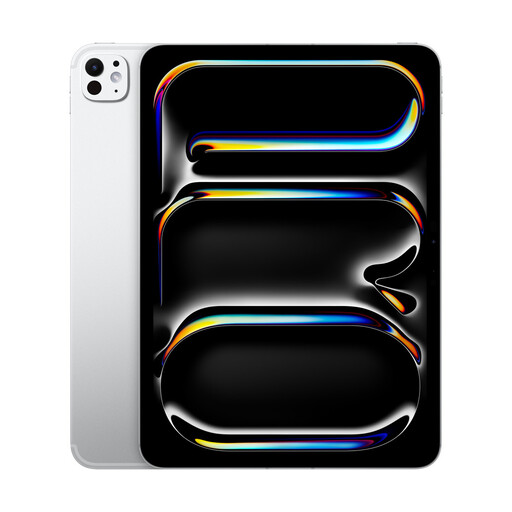 No image available
The 11-inch format offers room to review itinerary pages without moving to a larger tablet. This is a Wi-Fi configuration with 256GB storage; keep copies of essential travel documents offline.
If annotation is part of your workflow, check the compatible Apple Pencil and the carried weight of your complete setup.
 No image available
This is a tablet to consider if you want to type itinerary changes as well as read them. Its product name lists a 10.1-inch display, 256GB storage and keyboard, mouse and stylus accessories; confirm the delivered bundle before choosing it.
Check whether the 1280 × 800 display suits your documents, and confirm the software version if an itinerary app requires one. Do not treat Wi-Fi terminology as confirmation of cellular access.
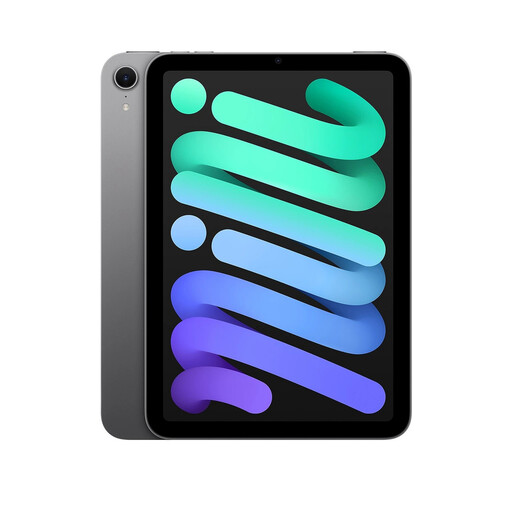 No image available
A compact option for checking itinerary details while holding the tablet. It has 512GB storage; consider whether a smaller viewing area will mean more zooming when you read maps or dense plans.
Check the exact connectivity configuration if you need live access during the journey. Apple Pencil Pro is a separate accessory for handwritten notes.
Wi-Fi can be enough if you download plans, maps and confirmations before departure, or have another connection you can use when needed. If live updates are essential, check the tablet's exact cellular configuration and use Ofcom's coverage checker to assess the places on your route; coverage may still vary during travel.
Choose based on whether you will hold the tablet or need more room for maps and documents. An approximately 11-inch model is easier to consider for handheld reading, while a larger screen offers more workspace; Apple lists its 11-inch Wi-Fi iPad Air at 464 g and its 13-inch Wi-Fi model at 616 g, before accessories.
Check the exact configuration rather than assuming all three are supplied. Apple lists compatible Pencil models for iPad Air; Microsoft describes the Surface keyboard and Slim Pen as optional. Samsung lists an S Pen and data cable for the Galaxy Tab S10 FE purchase package but says it does not include a travel adapter.
Use a screen lock, keep the operating system and apps updated, and avoid leaving booking details visible when others can see the tablet. The UK National Cyber Security Centre's device-security guidance covers secure use of connected devices, including tablets.