Debaters moving between venues
If you read evidence between classes, competitions or journeys, decide how you will reach shared files when Wi-Fi is unavailable and which documents to save beforehand.


Choose the tablet around how you will access debate sources when venue Wi-Fi is unreliable: a Wi-Fi model suits material downloaded in advance, while a cellular model needs a suitable mobile data plan. For drafting and annotation away from a socket, check the exact pen, keyboard and charging setup as well as the tablet; a battery-capacity figure alone cannot tell you how long a session will last.
If you read evidence between classes, competitions or journeys, decide how you will reach shared files when Wi-Fi is unavailable and which documents to save beforehand.
If you annotate sources and rearrange speaking points by hand, check pen compatibility, screen space and what comes with the exact tablet bundle.
If you write full cases or rebuttals away from a socket, weigh carrying comfort and a suitable keyboard setup alongside your plan for keeping the tablet charged.
For debate preparation away from mains power, decide whether access to sources, handwritten organisation or sustained drafting will drive your choice.
| Concern | What to check | Who this matters to |
|---|---|---|
| Access to research | Check whether the exact model has cellular connectivity and a suitable data-plan option, or whether you can save the required files for offline use. | If I need to check a source between venues, I cannot depend on finding Wi-Fi; around 42% of consumers would put access to research first. |
| Annotation and notes | Confirm compatibility with the pen you intend to use, whether it is included and whether your note-taking apps work on the chosen tablet. | Marking evidence by hand helps me turn sources into speaking points; roughly 25% of consumers would make annotation their primary need. |
| Extended reading and drafting | Compare display size and weight, check the keyboard and charging setup, and seek runtime information rather than relying on battery capacity alone. | When I have a full case to write before reaching a socket, I need a setup I can carry and use for the session; about 33% of consumers would prioritise extended drafting and reading. |
A Wi-Fi-only tablet cannot use its own mobile data connection when venue Wi-Fi is unavailable. Downloading source packs before leaving is a different workflow from checking new material online.
Decide which documents you can prepare offline. If live access is essential, check the exact cellular variant, coverage and data-plan requirements.
A cellular setup also means arranging and managing a suitable mobile data plan.
Pen support or a keyboard option does not establish what comes with the tablet. Apple lists Apple Pencil and Magic Keyboard as optional for iPad Air, while Samsung lists an S Pen and cable, but no travel adapter, with the Galaxy Tab S10 FE.
Check the contents of the exact configuration against the pen, keyboard and charging equipment your workflow requires.
Lenovo advises that using or charging a tablet above 35°C can permanently damage battery capacity.
Keep the device out of high heat and follow its manufacturer's charging guidance, particularly when preparing material outdoors or travelling.
The iPad Air is an option for readers who want an 11-inch or 13-inch tablet with Apple Pencil support and an optional Magic Keyboard.
The Galaxy Tab S10 FE is an Android option for handwritten notes and a locally stored source library.
The Pad Go 2 offers a 12.1-inch display and a choice of Wi-Fi or 5G variants for different research-access plans.
The MagicPad4 offers a 12.3-inch OLED display for readers considering a larger workspace.
The Yoga Tab is an 11.1-inch Android option for reading and drafting with an optional keyboard pack.
These tablets offer different ways to work with debate material: some emphasise a named keyboard or stylus bundle, while others list mobile connectivity for access away from Wi-Fi. Match the exact configuration to your offline files, drafting tools and charging plan.
 Image unavailable
The named input bundle is worth considering if you expect to type arguments and mark up notes. The title specifies 256GB storage and TF-card support up to 2TB; check how you will access sources away from Wi-Fi and confirm runtime for the length of your sessions.
 Image unavailable
Consider this configuration if you want a larger screen for reading sources and a supplied pen for annotation. The title specifies dual-SIM 4G LTE and 256GB storage; check the mobile arrangement, carrying weight and keyboard option before relying on it between venues.
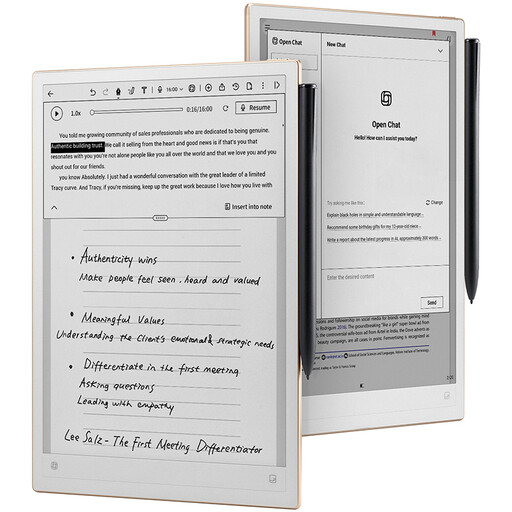 Image unavailable
This E-Ink format is a route to consider if reading saved evidence and writing notes matter more than a general-purpose drafting setup. Check screen lighting where you will read, whether your required documents work as expected and whether any online features need a connection.
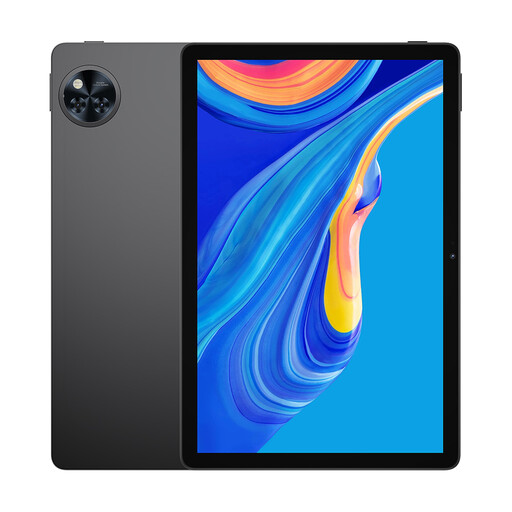 Image unavailable
The named 256GB storage and TF-card expansion up to 2TB are relevant if you plan to keep debate documents locally. Before choosing it for venue-to-venue work, confirm the exact model's mobile connectivity, pen options and runtime against your needs.
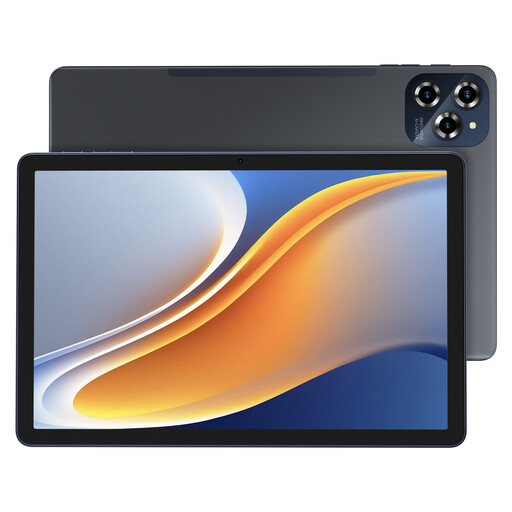 Image unavailable
This configuration is relevant if you need to reach online research away from Wi-Fi as well as save files locally. The title names 4G LTE and TF-card support up to 2TB; confirm the exact Android version, battery specification, runtime and drafting accessories before purchase.
Choose Wi-Fi only if you can download the sources you need or depend on known networks; choose cellular if checking new material away from Wi-Fi is essential. Apple says its Wi-Fi + Cellular iPads can connect through a mobile data plan when Wi-Fi is unavailable, so confirm the plan and coverage as part of that choice.
Check the exact bundle rather than assuming all three are included. Apple lists Apple Pencil and Magic Keyboard as optional for iPad Air; Samsung lists an S Pen and data cable with the Galaxy Tab S10 FE but says a travel adapter is not included.
Avoid using or charging the tablet in high heat. Lenovo advises that temperatures above 35°C during use or charging can permanently damage battery capacity; follow the guidance for your particular device.
Take it to an appropriate electrical-waste recycling collection point rather than putting it in household rubbish, as UK government guidance advises.