Readers of detailed plans and PDFs
You read drawings, scanned pages or image-heavy architecture books and want to inspect labels and layouts without repeatedly zooming and panning.


For image-heavy architecture books and detailed plans, start with a large colour tablet if keeping more of each page visible matters most. A smaller glare-free e-ink device is a different fit for text-led reading and handwritten notes; whichever route you consider, weigh screen size against carrying comfort and check the pen, PDF workflow and rules of your library.
You read drawings, scanned pages or image-heavy architecture books and want to inspect labels and layouts without repeatedly zooming and panning.
You make handwritten notes, mark up PDFs or sketch details as you read. Pen compatibility, what comes in the box and your document app all affect the choice.
You want a device that suits your bag and reading position, with files ready for quiet sessions and alerts kept silent.
For reading architecture books in a library, decide whether page context, handwritten work or carrying comfort is the need you would protect if you had to compromise.
Choose it when: Colour images, plans and page layouts need substantial screen space, with pen support if you annotate.
Trade-off: A larger device takes more room in a bag and may be less comfortable to hold throughout a reading session.
Choose it when: Text-led reading and handwritten document notes matter more than viewing large colour spreads.
Trade-off: The 10.2-inch Kindle Scribe screen leaves less room for a detailed full page than the larger colour tablets discussed here.
| Concern | What to check | Who this matters to |
|---|---|---|
| Page area | Open one of your own plans or scanned books at a comfortable reading distance; check labels and the amount of the page visible without zooming. | If I regularly inspect drawings and captions, I want to keep their layout in view rather than pan around each page. Around 42% of consumers put page context first. |
| Annotation | Confirm the compatible pen and box contents, then check how your chosen app saves and exports PDF mark-up. | When notes and quick sketches are part of my reading, I need them to remain usable after I leave the library. Annotation is the primary need for around 33% of consumers. |
| Carrying and quiet use | Consider weight and bag fit; prepare downloaded files and check the rules for your library and study area. | I carry my reading between sessions and need to settle into a quiet space without disruptive alerts. For around 25% of consumers, portability and considerate use come first. |
More screen area may preserve a drawing's layout, but it also changes how comfortable the device is to carry and hold. Apple lists the 13-inch iPad Air Wi-Fi model at 616 g and the 11-inch Wi-Fi model at 464 g.
Try a representative PDF at your usual reading distance and decide whether you will read with the tablet in your hands or resting on a desk.
Pen support does not mean the pen is in every box, and the mark-up tools you need depend on the document workflow.
Check the exact pen model, bundle contents and PDF app before choosing a tablet for handwritten work.
Apple offers compatible Apple Pencil models separately when buying an iPad Air, so using one adds an accessory to the setup.
A product page can remain visible when its purchase status changes.
Check live availability and the exact storage and connectivity variant immediately before placing an order.
Audible alerts, calls or video can disturb other readers. The University of Reading requires silent mode throughout its library and silence in silent study areas; requirements at other venues may differ.
Silence notifications, use headphones if you need audio and check the rules for the particular library zone you plan to use.
The 13-inch iPad Air is a large colour-screen option for architecture PDFs and handwritten mark-up.
The Galaxy Tab S10 FE+ is a large Android-tablet option for readers considering pen-led notes and local storage expansion.
The Tab Extreme puts a particularly large display on the shortlist when desk-based reading takes priority over compact carrying.
The Kindle Scribe offers a different route for text-led reading, PDF review and handwritten notes.
These choices span tablets for colour pages and an e-ink option for a smaller-format reading setup. Compare each listing with the documents you actually read, particularly if you need handwritten PDF mark-up.
 No image available
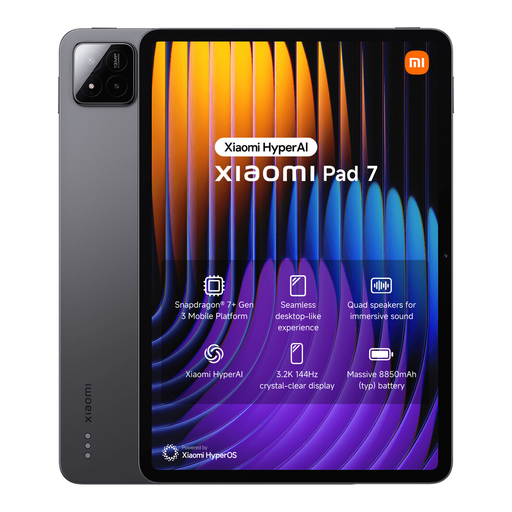
Consider this Wi-Fi tablet if you want to carry architecture books and PDFs between library sessions. Check a detailed page at your normal zoom, and confirm the pen bundle and PDF annotation app if you plan to write on documents.
 No image available
Consider it if handwritten reading notes are important alongside colour-page viewing. The product title says a Focus Pen is included; confirm the box contents and that your PDF app can save and export the annotations you need.
 No image available
The 12.7-inch display gives readers of plans a larger page-viewing option; check whether its physical size suits your bag and desk space. The title specifies T-Pen drawing support, 4096-level pressure sensitivity and an included stylus; confirm the bundle and your PDF app's annotation and export functions.
 No image available
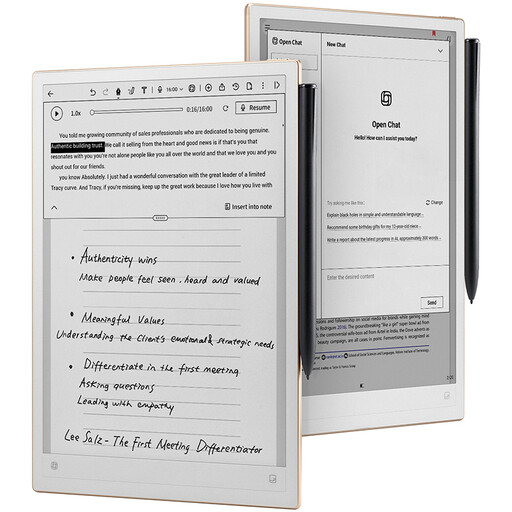
Consider this smaller-format e-ink option when reading and notes matter more than keeping a large drawing on screen. Check your own PDFs for legibility, whether the annotation and export workflow fits, and what the case bundle contains.
 No image available
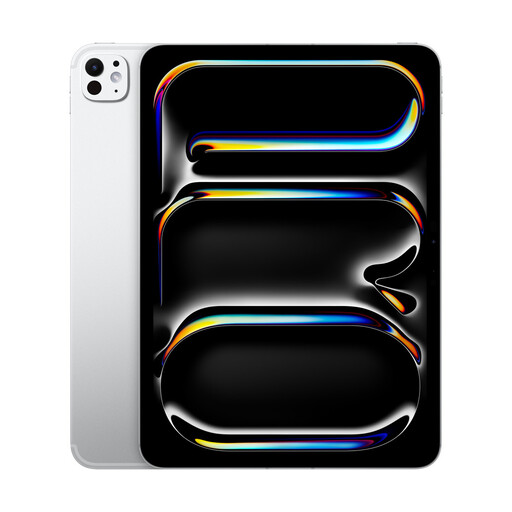
The 13-inch format is worth considering if you want to keep more of an architecture page in view, while the 1 TB variant may suit a sizeable local document collection. Check carrying comfort, the exact pen bundle and your preferred PDF app before relying on it for mark-up.
Start by testing a representative plan on a large colour display if readable labels and page layout are your priority. The 13-inch iPad Air, 13.1-inch Galaxy Tab S10 FE+ and 14.5-inch Lenovo Tab Extreme illustrate progressively larger formats described by their manufacturers, but the right choice also has to fit your bag and preferred reading position.
No: choose a stylus for a specific task such as marking up PDFs, writing notes or sketching details, rather than for reading alone. Check compatibility, what is supplied with the exact device and whether your document app saves and exports work as you need; Apple offers compatible Pencil models separately for the iPad Air, while Amazon lists a Premium Pen with the Kindle Scribe.
Download the books and PDFs you need, silence alerts and use headphones if audio is necessary. Check your own venue's rules: the University of Reading requires silent mode throughout its library and silence in silent study areas, but that policy does not define the rules at every library.