What matters when choosing?
Start with the lab’s required software and access process, then decide how much handwriting, typing and bench handling the device must support.
11-inch iPad with Apple Pencil
Consider it when: Handwriting and document markup are central, and the approved observation workflow runs on iPadOS.
Check: Apple lists compatible Pencil models as selectable additions, so confirm the pen and any keyboard needed for the intended workflow.
Samsung Galaxy Tab S10 FE
Consider it when: An Android pen workflow and Samsung’s stated IP68 rating for the tablet and S Pen are relevant to the working area.
Check: Samsung’s published S Pen water-resistance conditions concern freshwater, not laboratory chemicals or every cleaning procedure.
Microsoft Surface Pro
Consider it when: The lab requires Windows desktop applications or frequently switches between pen input and prolonged typing.
Check: Microsoft describes the keyboard and Surface Slim Pen as optional; confirm the required accessories and managed-account setup.
| Concern |
What to check |
Who this matters to |
| Handwriting and annotation |
Confirm pen compatibility and whether the approved recording app accepts handwriting and marked-up diagrams. |
If I write observations at the bench, I need them to reach the approved record without copying them out later; roughly 33% of consumers would put handwriting first. |
| Shared-record access |
Check individual sign-in, device locking and the lab’s rules for storing and sharing records. |
When a device passes between colleagues, I need to know who can access each record and how handover works; around 27% of consumers would make controlled sharing their primary concern. |
| Bench use and image capture |
Check permitted camera use, cleaning requirements and what any stated resistance rating actually covers. |
I may need photographs of observations while working near liquids or cleaning agents, without assuming a water rating covers those exposures; approximately 20% of consumers would prioritise bench handling and evidence capture. |
| Desktop software and typing |
Test the exact lab applications, browser and authentication method; confirm keyboard requirements. |
If my records rely on Windows software or lengthy data entry, handwriting alone will not complete the task; roughly 20% of consumers would put the desktop and typing workflow first. |
Joybuy tablets for observation work
These tablet options include models listed with a stylus and, in some cases, a keyboard. Check each configuration against the lab’s required applications, shared-access process and equipment rules.
 No image available
TECLAST ArtPad Pro 12.7-inch tablet, 2025 Edition, with stylus, case and keyboard
For handwriting alongside keyboard entry, this configuration lists a stylus, case and keyboard. It has a 12.7-inch 2K display, 256GB storage and Android 15; test the lab’s applications and shared sign-in on that configuration.
View on Joybuy
 No image available
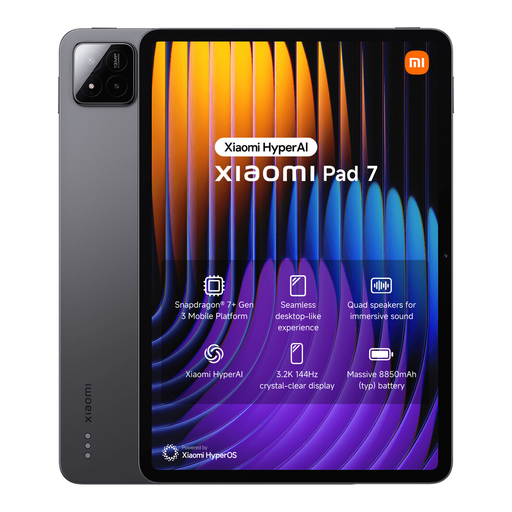
Xiaomi Pad 7, grey, 8GB RAM/128GB, with Focus Pen
The included Focus Pen makes this configuration relevant to handwritten observations. Check that the approved recording app, sign-in method and any required keyboard or case fit the lab’s workflow.
View on Joybuy
 No image available
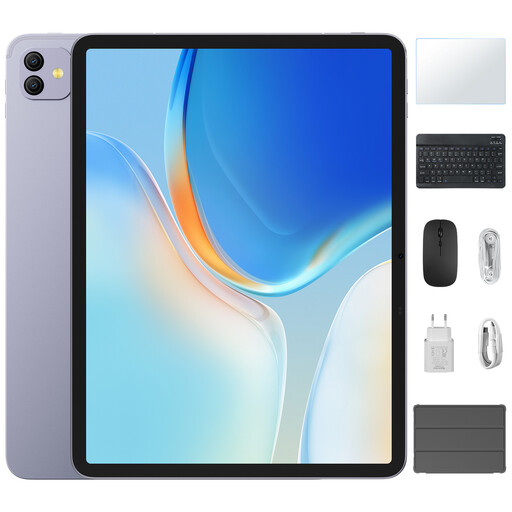
Blackview Link 8 12.7-inch tablet, 18GB (6+12) RAM/256GB, with keyboard and stylus
The listed keyboard and stylus offer ways to enter typed and handwritten observations. The display is specified as 90Hz; confirm the exact operating system, pen configuration and compatibility with the lab’s applications before choosing it.
View on Joybuy
 No image available
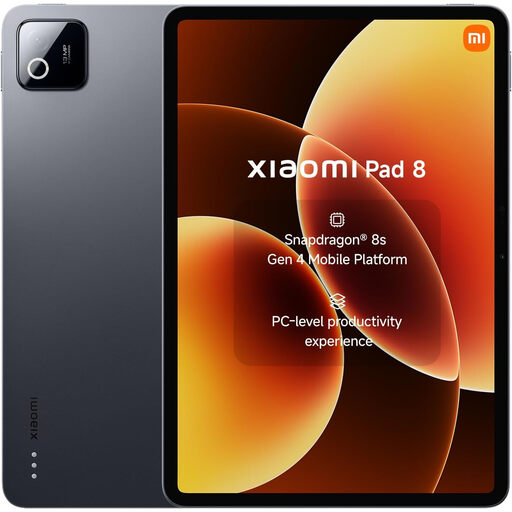
Xiaomi Pad 8, grey, 8G RAM/128GB, Wi-Fi
For observation entry on this tablet, confirm that the lab’s approved app and access process work on the exact configuration. If handwriting is required, check compatible pen support and what the selected bundle includes.
View on Joybuy
Questions about shared lab tablets
Does a shared tablet automatically meet UK GDPR requirements for observation records?
No. Where records contain personal data, the Information Commissioner’s Office says the organisation must apply security measures appropriate to the risk and identify a lawful basis before sharing that data. A particular tablet or screen lock does not establish that the whole workflow meets those requirements.
Should a lab tablet use Wi-Fi or cellular connectivity?
Choose Wi-Fi where the approved workspace network reliably supports the observation application. Consider cellular if authorised work must continue without that network, but confirm that the lab permits mobile-data connections and that the selected tablet has the required configuration.
Is an IP68-rated tablet spill-proof in a laboratory?
No. Samsung describes the Galaxy Tab S10 FE S Pen’s IP68 water-resistance test as freshwater immersion up to 1.5 metres for up to 30 minutes, and says resistance may diminish over time. That does not establish suitability for laboratory chemicals, disinfectants or a particular cleaning procedure.
Will the pen and keyboard be included?
Check the exact configuration rather than assuming they are included. Apple lists Pencil and keyboard options as additions for the iPad, while Microsoft describes the Surface Pro keyboard and Slim Pen as optional; the Joybuy tablet configurations above also differ in what their names list.


