Choose a dedicated e-reader if your language guides are mainly reflowable text and you want a glare-free screen with fewer app distractions. Choose a tablet if you rely on fixed-layout PDFs, maps, web pages or study apps. Before buying either, try a representative guide page and check that the dictionary or app you need works with its format.
Who each device suits
Text-first guide readers
If your phrasebooks or grammar guides are reflowable eBooks, a dedicated reader offers a simpler way to read during repeated coach journeys. Amazon and Rakuten Kobo describe glare-free reading screens in their e-reader ranges.
PDF and map guide users
If your guides contain fixed pages, diagrams, maps or scans, consider a larger colour screen and test whether a full page remains legible without constant zooming.
Interactive language learners
If you move between a guide, translation tools, notes and downloaded material, check that the tablet operating system supports your essential apps and that their content works offline when needed.
What matters when choosing
Dedicated E Ink e-reader
Choose it when: your guides are primarily reflowable text and a glare-free, low-distraction reading device matters most.
Trade-off: a small monochrome screen can make fixed PDF pages and colour maps less practical; Kobo also cautions that dictionary lookup may not work in PDFs.
General-purpose tablet
Choose it when: you need a larger colour view for fixed pages or access to Android or iPadOS study apps.
Trade-off: check screen handling, app compatibility and offline access rather than assuming that a larger display makes every guide comfortable to read.
| Concern | What to check | Who this matters to |
|---|
| Reading comfort |
Compare glare handling and screen size; try a dense page at your usual reading distance. |
If I mainly read text beside a coach window, I want a screen I can keep reading without frequent adjustments. Around 36% of consumers put glare-conscious text reading and charging intervals first. |
| Guide layout and apps |
Identify whether essential guides are reflowable books, PDFs, web pages or apps; open a sample fixed page. |
When my guide contains maps or I switch to study apps, keeping the layout usable matters more to me than a text-only reading setup. For around 29% of consumers, fixed pages or app access are the primary concern. |
| Vocabulary tools |
Test the required dictionary language in the actual guide format, particularly if it is a PDF. |
I need to look up unfamiliar words while reading, without discovering mid-journey that lookup fails in my guide. Around 21% of consumers place vocabulary and document flexibility first. |
| Offline preparation |
Check storage against your own downloads and confirm whether required content works without a connection. |
If I cannot count on connectivity during the journey, I want my guides and study material ready beforehand. Offline storage and connectivity are the main concern for around 14% of consumers. |
Buying pitfalls
-
Choosing an e-reader on PDF support alone
Amazon lists PDF among the file types accepted by Send to Kindle, but accepting a file does not establish that its maps or small print will be comfortable on a 7-inch screen.
Open a representative page before choosing. If reading it requires repeated zooming and panning, consider a larger tablet display.
-
Assuming dictionary lookup works in every book
Rakuten Kobo says lookup may not work in PDFs, library books or some free internet books, even where a dictionary is available on the e-reader.
Check the language dictionary you need and try a sample from the same source and format as your guide.
-
Choosing a tablet configuration before planning offline use
A Wi-Fi tablet does not itself provide mobile data away from Wi-Fi. Handwriting and extensive typing may also call for accessories.
Preload essential guides if Wi-Fi is sufficient; consider cellular connectivity or an accessory only if your actual study routine requires it.
Apple lists Pencil and keyboard options separately from the iPad Air, so check what is included before planning to annotate or type with them.
-
Putting a replaced device in household rubbish
GOV.UK warns that batteries in electrical waste can pose risks, particularly if lithium-ion batteries are damaged or wet.
Use an appropriate electrical-waste or battery-recycling route for a retired tablet or e-reader.
Relevant brands to consider
Amazon Kindle
A dedicated-reader route for text-first guides and supported personal documents.
- Amazon lists a 7-inch glare-free screen and up to 12 weeks of battery life for the Kindle Paperwhite (2024).
- Amazon accepts PDF and EPUB files through Send to Kindle, but test fixed-layout pages at reading size before relying on a small screen.
Rakuten Kobo
Dedicated e-readers for text-focused reading with configurable dictionaries.
- Rakuten Kobo describes its e-readers as glare-free and says users can add or remove dictionaries.
- Kobo says dictionary lookup may not work in PDFs, library books or some free internet books.
Samsung
An Android tablet route for larger guide pages and app-based study.
- Samsung specifies a 10.9-inch display and microSD support up to 2TB for the Galaxy Tab S10 FE.
- Check that your required apps and guide files work offline; Samsung’s display specifications do not establish comfort with your particular pages.
Apple
An iPadOS route for guides, maps and study apps that need a larger display.
- Apple specifies an 11-inch, 2360-by-1640 anti-reflective display for the iPad Air.
- Check the connectivity configuration and whether your annotation workflow requires separately chosen accessories.
Tablets for reading guides
These Joybuy tablets offer larger screens for readers considering fixed-layout guides or app-based study. Compare the exact guide and app requirements with each model before choosing.
 No image available
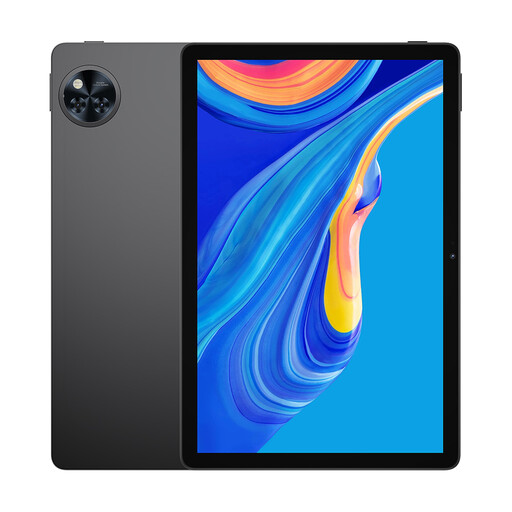
DOOGEE U11 PRO tablet, 30GB RAM, 256GB, black
Consider its 11-inch screen if your guide pages need more space than a small e-reader offers.
The product name also specifies a 90Hz IPS screen and an 8580mAh battery. Try a representative guide page and confirm that your essential files and apps work offline.
View on Joybuy
 No image available
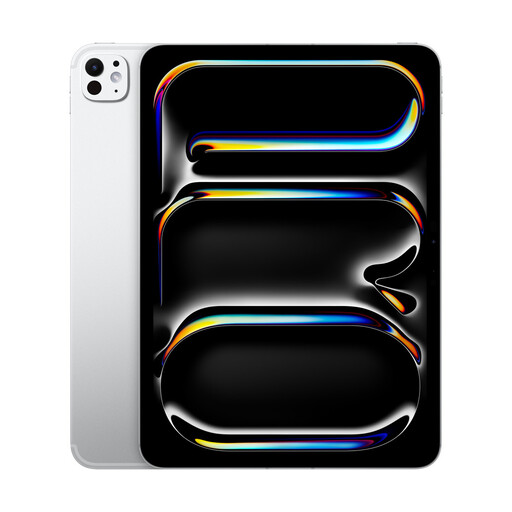
Apple iPad Pro 11-inch (M5), Wi-Fi, 256GB, standard glass, silver
Consider this iPad if your language-guide routine calls for an 11-inch view and iPadOS study apps.
The product name specifies an OLED display and Wi-Fi connectivity. Download essential material before journeys without Wi-Fi, and check your particular guide files and apps.
View on Joybuy
 No image available
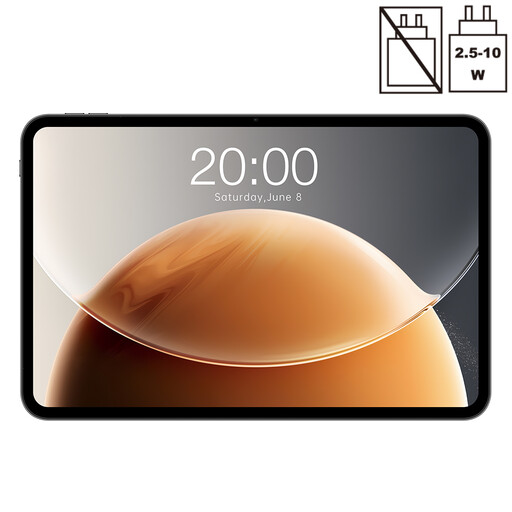
Teclast T65 tablet, 13.4-inch, 128GB, dual-SIM 4G
A 13.4-inch screen may suit guides with large fixed pages, provided the device is comfortable for you to handle on a coach.
The product name specifies a 120Hz display, Android and dual-SIM 4G. Confirm the mobile service compatibility you need and try your guide at its usual reading size.
View on Joybuy
 No image available
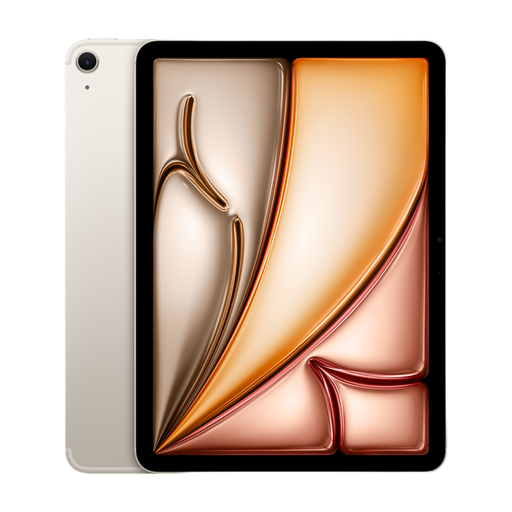
Apple 11-inch iPad Air (2026, M4), Wi-Fi, 128GB, Starlight
Consider this iPad Air if you use iPadOS tools alongside guides with fixed pages or diagrams.
The product name specifies an 11-inch display, Wi-Fi and 128GB storage. Check that your required guides and apps are ready for offline use before travelling.
View on Joybuy
 No image available
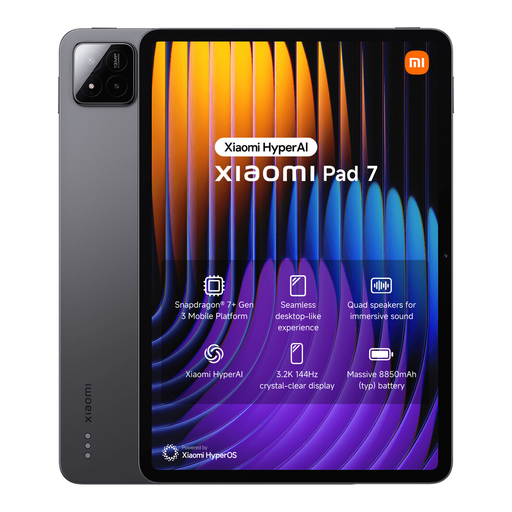
Xiaomi Pad 7, 8GB RAM, 128GB, grey
Consider this tablet if you want a larger view for guide pages and plan to keep study material on the device.
The product name specifies 8GB RAM and 128GB storage. Confirm compatibility with your guide files and apps, and check the exact bundle if the advertised Focus Pen matters to you.
View on Joybuy
Common questions
Can I put my own EPUB or PDF language guide on a Kindle?
Yes, Amazon lists EPUB and PDF among the formats accepted by Send to Kindle. For a fixed-layout PDF, inspect a representative page on the size of reader you intend to use; file acceptance does not guarantee comfortable reading.
Will an e-reader dictionary work in every language guide?
No. Rakuten Kobo says dictionaries can be added to its e-readers, but lookup may not work in PDFs, library books or some free internet books. Test a sample in the format and language you need.
Do I need cellular connectivity to read guides on a coach?
Not if your essential guides and tools work after you download them over Wi-Fi. Consider cellular connectivity if you need mobile data away from Wi-Fi; Apple says its Wi-Fi + Cellular iPads use a mobile data plan for that purpose.
What should I do with an old tablet or e-reader?
Use an appropriate electrical-waste or battery-recycling route rather than putting it in household rubbish. GOV.UK warns that batteries in waste can pose risks, particularly when lithium-ion batteries are damaged or wet.


