Viewers and video callers
If streaming, reading and calls are your main tasks, focus on a readable display, battery endurance and a front camera that suits your calls. A keyboard matters less unless you also type regularly.


An Android tablet or iPad is a sensible choice over a laptop when viewing, reading, calls and touch-first apps take priority, provided your regular apps work on the device. If you type frequently or need particular software, check whether a compatible keyboard and tablet apps meet your needs before choosing a Windows tablet or keeping a laptop; specialist university and professional software falls outside this tablet-first choice.
If streaming, reading and calls are your main tasks, focus on a readable display, battery endurance and a front camera that suits your calls. A keyboard matters less unless you also type regularly.
If you switch between apps or play casual games, check performance as well as the screen. Which? assesses tablet speed and display quality separately, so a large screen alone does not settle this choice.
If longer emails and light documents are part of your routine, the required apps and a keyboard compatible with your exact tablet may determine whether a tablet is practical.
Start with the operating system that runs your regular apps. An Android tablet or iPad suits a touch-first routine when those apps meet your needs; a Windows tablet is worth considering when typed work and required programs call for a more laptop-like setup. A keyboard is a separate, model-specific choice, not another operating system.
Consider it: For touch-first viewing, reading, calls and casual games when your required Android apps are available.
Keep in mind: Hardware and accessory support vary by model; Samsung notes that some keyboard and DeX functions vary with apps, content and settings.
Consider it: When the iPad versions of your regular apps cover your routine and you want to compare Apple’s model-specific accessory options.
Keep in mind: Apple lists keyboard compatibility by iPad model and generation; an accessory that fits one iPad need not fit another.
Consider it: When regular typing or a required program makes a detachable-keyboard Windows device worth examining.
Keep in mind: Microsoft sells Surface Pro keyboards separately, so assess the complete setup and what you will carry.
| Concern | What to check | Who this matters to |
|---|---|---|
| Viewing and calls | Compare display behaviour in the light you use, front-camera suitability and battery results from comparable video and browsing tests. | If I watch video and make calls away from a charger, I want a screen I can see comfortably and enough endurance for my routine. Around 33% of consumers put viewing and calls first. |
| Everyday responsiveness | Look for independent speed tests and confirm that your usual games and services run on the chosen operating system. | When games and everyday apps are part of my routine, I do not want a bigger display at the expense of responsive use; roughly 27% of consumers make this their primary concern. |
| Reading and carrying | Compare the exact model’s dimensions and weight; consider whether you usually read by hand or with the tablet propped up. | I carry my tablet often and read while holding it, so handling matters more to me than extra screen space. About 20% of consumers put reading and portability first. |
| Typing and app support | Confirm your required apps and file formats, then match any keyboard to the tablet’s exact model, size and generation. | If emails and documents regularly take more than a quick reply, I need workable apps and a typing setup that fits my tablet; around 20% of consumers prioritise light work. |
A case made for a different size or generation may not fit, and keyboard designs differ in their trackpad and stand features.
Check the accessory maker’s compatibility list against the tablet’s full model and generation. Confirm the layout and included components before choosing a tablet for regular typing.
A larger diagonal does not establish how readable the screen is in bright light or how responsive the tablet feels. Which? tests display quality, speed and battery endurance as distinct factors.
Compare relevant display and performance tests for the exact models you are considering, alongside their dimensions and weight.
Google says only Play Protect-certified devices are eligible to include Google apps such as the Play Store; apps or features on non-certified devices may not work correctly.
For an unfamiliar Android model, confirm its Play Protect certification and the availability of your essential apps before buying.
A stated maximum applies to its test conditions, which may differ from browsing, calls or games. Which? tests tablet endurance during web use and continuous video playback.
Compare battery results measured under similar conditions and give more weight to the activity you expect to do away from a charger.
These brands illustrate different tablet and accessory routes; compatibility and features still depend on the individual model.
Apple’s iPad range offers iPadOS across several screen sizes for viewing, communication and light work.
Galaxy Tab is an Android route with everyday and larger-screen models, including selected tablets with keyboard options.
Surface Pro is a Windows two-in-one route for people considering a tablet alongside more laptop-like typing and multitasking.
These Android tablets cover portable viewing and everyday tasks, with one keyboard bundle for occasional typing. Compare their stated configurations with your app needs, handling preferences and independent screen and battery evidence before choosing.
 No image available
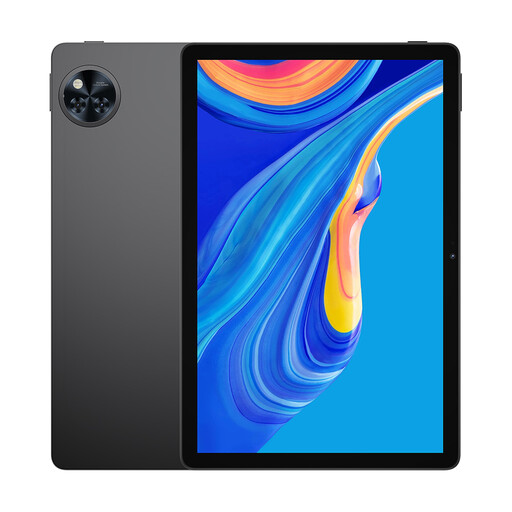
Consider this Android tablet if portable viewing and reading are your priorities. The listed configuration has 8 GB RAM, 128 GB storage and Wi-Fi; compare screen and battery results for your routine, and confirm support for your essential apps.
 No image available
For viewing and everyday browsing, this model lists an 11-inch 90 Hz IPS screen, 256 GB storage and an 8,580 mAh battery capacity. Battery capacity is not a runtime result; compare display and endurance tests, and check Google app support for the exact device.
 No image available
Consider this bundle if occasional emails or documents make a keyboard useful. Its title lists a 10.1-inch display, 256 GB storage, a 5,000 mAh battery and a keyboard, mouse and stylus. Check the keyboard layout and your required apps; confirm the Android version before buying.
 No image available
Consider the larger display if you mainly view content with the tablet supported or want the included stylus. The title lists a 12.7-inch 2K display, 256 GB storage and a 10,000 mAh battery capacity. Check its weight before choosing it for frequent carrying, and compare tested endurance for use away from a charger.
 No image available
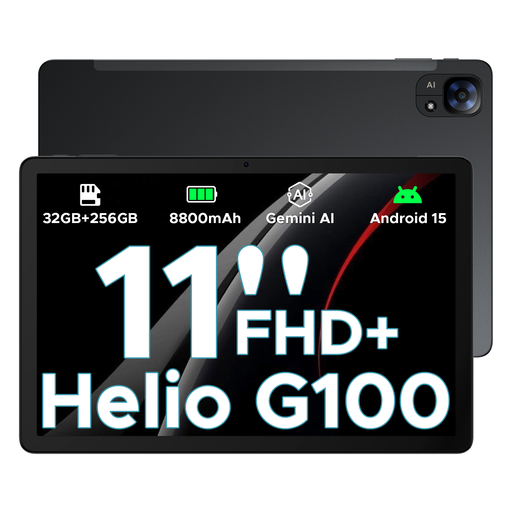
For everyday viewing, the title lists an 11-inch FHD+ 90 Hz screen, Android 15 and an 8,800 mAh battery capacity. If reading detail, carrying comfort or video calls will decide your purchase, check the exact screen resolution, weight and front-camera specification alongside battery test results.
A tablet can be a lighter choice for viewing, reading, calls, casual games and simple documents if the apps and web services you need work well on it. For software-dependent study or professional work, check every required program, file format, peripheral and browser portal rather than assuming a tablet will replace your laptop.
Match the keyboard’s stated compatibility to the tablet’s exact model, generation and screen size. Apple, Samsung and Microsoft publish model-specific accessory information; also check the keyboard layout and whether the trackpad or other features you want are included.
Confirm that the exact device supports your essential apps and is Play Protect certified. Google says only certified devices are eligible to include Google apps such as the Play Store, and that apps or features on non-certified devices may not work correctly.
For a faulty tablet, contact the retailer about a remedy rather than assuming a change-of-mind return policy is your only option; Coventry City Council Trading Standards gives separate guidance on faulty goods. For an old electrical device, GOV.UK’s WEEE take-back guidance describes free recycling arrangements for customers buying new electrical equipment.