For dense, fixed-layout philosophy PDFs, consider a 12.4- to 13-inch tablet if enlarging the text leaves too little of the argument or footnotes visible. A smaller device may suit reflowable essays or easier carrying, but test your own files in the reading app you intend to use: a larger screen cannot make every PDF reflow.
Who is this for?
Large-print PDF readers
If you read dense academic PDFs, you need enlarged text without losing track of quotations, notes and the surrounding argument. Screen area matters most when your documents remain fixed pages rather than reflowing into a readable column.
Readers needing stronger visual adjustments
If larger type alone is not enough, you may also need bolder text, contrast or colour adjustments, zoom or spoken reading. Check those controls in the apps you will actually use, not just on the tablet’s home screen.
Portable essay readers
If you mainly read ebooks, web articles and occasional PDFs, you may prefer a smaller device that is easier to carry. The trade-off is less visible page area when you enlarge a fixed-layout essay.
What matters when choosing?
Start with a representative essay at the text size you need. Then consider how much of its page you can see, which visibility controls work in your reading app and whether you will hold the tablet or set it down.
| Concern |
What to check |
Who this matters to |
| Page context at large text sizes |
Open your own PDFs in portrait and landscape. Check body text, quotations and footnotes at your intended size, and try reflow if the app offers it. |
When I enlarge a fixed-layout essay, I still need to see enough of each passage to follow its argument. Around 50% of consumers would put that page context first. |
| Text visibility |
Try the app’s text and zoom controls alongside available bold-text, contrast, colour and brightness settings in your usual lighting. |
If ordinary enlargement still leaves text difficult to distinguish, I need visibility controls that work for my reading. Roughly 30% of consumers would make those adjustments their primary concern. |
| Portability and reading setup |
Consider the selected device’s weight, how you will support it during a long session and whether the configuration includes the accessories you need. |
For reading in several places, I would rather carry less and accept a smaller view of a PDF page. About 20% of consumers would prioritise portability and setup. |
What should you watch out for?
-
Assuming every PDF will read like an ebook
A fixed-layout essay may still require zooming and panning on a large tablet. Adobe explains that PDF reflow depends on the document’s accessible structure.
Before choosing a device, open representative essays in your intended app and check body text, footnotes, navigation and any annotation tools at your preferred size.
-
Judging readability by screen size alone
Text weight, contrast and lighting can also affect how usable a page feels. Apple documents display and text adjustments for iPad, although very large interface text can make some app controls harder to tap.
Try your preferred settings in the reading app and check the screen under the lighting in which you normally read.
-
Overlooking how you will support the tablet
Holding a large tablet throughout a long essay may not suit your reading position. Apple lists the 13-inch iPad Air Wi-Fi model at 616 g; the weight of any other configuration needs checking separately.
Try a stable stand or supportive case for desk reading, and check what comes with your chosen configuration.
A separate stand or case may be needed for hands-free reading. Samsung says the Galaxy Tab S10+ box does not include a travel adapter.
Which brands are relevant?
Apple
The 13-inch iPad Air is a large-screen option for readers who also want iPad text and display accessibility controls.
- Apple lists a 2732 × 2048 Liquid Retina display with an anti-reflective coating for the 13-inch iPad Air. Its iPad guidance covers larger and bolder text, contrast and colour adjustments, Zoom and VoiceOver.
- Apple lists the 13-inch Wi-Fi model at 616 g. Check your chosen app at your preferred text size: changing interface text does not necessarily reflow a fixed-layout PDF.
Samsung
The Galaxy Tab S10+ is a 12.4-inch Android option for reading and annotation.
- Samsung describes its Dynamic AMOLED 2X display as using anti-reflective technology and says an S Pen is included with the Galaxy Tab S10+.
- Samsung says the box does not include a travel adapter. Check the font and contrast options on the particular tablet and software version you choose, as well as how your PDFs behave in its reading app.
Lenovo
The Tab Plus offers an 11.5-inch Android screen and an integrated kickstand for readers who often set their tablet down.
- Lenovo lists a 2000 × 1200 IPS display and a 175-degree kickstand for the Tab Plus.
- At the same page view and enlargement, its 11.5-inch screen offers less physical space for a fixed-layout PDF than a 12.4- or 13-inch screen. Try your essays before deciding whether that matters to you.
Joybuy products for essay reading
These tablets and reading devices offer different approaches to essays: a compact E Ink device, an 11.2-inch tablet and two iPads with different named screen sizes. For each one, check your own PDFs at the enlargement you need before treating its screen size as a solution.
 No image available
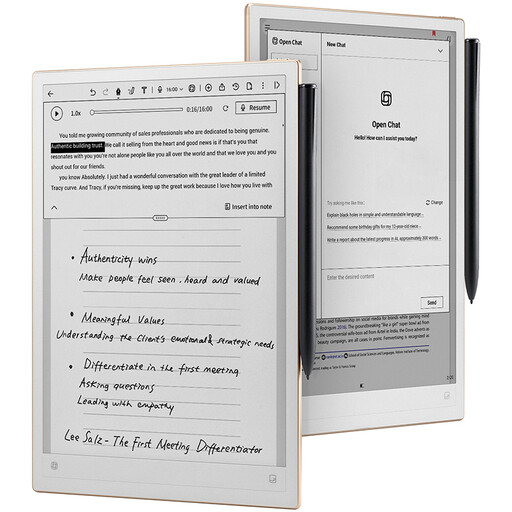
iFLYTEK AINOTE 2 10.65-inch E Ink tablet with protective case
Consider this smaller reading device if you would rather carry less and can accept a more limited view of an enlarged fixed PDF page.
Its product title identifies a 10.65-inch E Ink screen and a protective case. The listing states that it has no reading light, so consider the lighting where you usually read; test PDF enlargement and footnotes in your intended app.
Joybuy
 No image available
Xiaomi Pad 8, 8G RAM, 128GB, Wi-Fi, Grey
This tablet is worth considering if you want to compare a portable reading setup with larger-screen options. Open your own essays in the PDF app you plan to use to judge enlargement, footnotes and navigation before choosing it.
Joybuy
 No image available
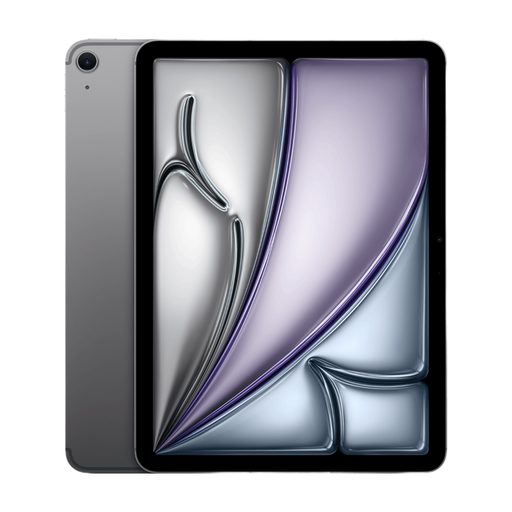
Apple 13-inch iPad Air (2026, M4), Wi-Fi, 256GB, Space Grey
Consider the larger-format iPad Air if keeping more of an enlarged essay page visible is your priority. Apple documents larger text and display adjustments for iPad, but you should still test fixed PDFs in your chosen app.
Check the exact display size before buying: the product information conflicts between 13 and 14 inches. The Apple Pencil is described as sold separately.
Joybuy
 No image available
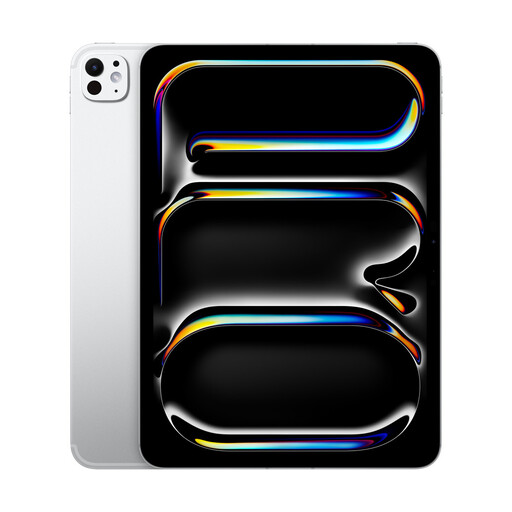
Apple iPad Pro 11-inch (M5), Wi-Fi, 1TB, Standard Glass, Silver
This 11-inch iPad may suit readers who want iPad accessibility controls in a smaller screen format. Apple documents text and contrast adjustments for iPad; check how much of your own essays remains visible at your preferred enlargement.
If you plan to annotate with an Apple Pencil, check the compatible accessory separately.
Joybuy
Questions about large-text reading
Is a 13-inch tablet necessary for philosophy essays?
No: the case for a 13-inch screen is strongest when you enlarge fixed-layout PDFs and need more of the page visible at once. If you mainly read reflowable ebooks or web essays, try a smaller tablet with your own files before deciding how much screen area you need.
Will a tablet’s text-size setting enlarge every PDF?
No. System text settings may change compatible app text without changing a fixed PDF page. Adobe explains that reflow can present a PDF as a single column, but it depends on the document’s structure; test representative essays in your intended app.
Which display settings should I try for long essays?
Try a comfortable text size in the reading app, then check bold text, contrast, brightness and any zoom or spoken-reading controls you need. Apple documents these kinds of iPad accessibility adjustments; check the available controls on the specific device and app you plan to use.
Should I use a stand for desk reading?
A stand or supportive case is worth trying if you do not want to hold a tablet throughout an essay. Lenovo lists a 175-degree kickstand on the Tab Plus; with other devices, check that your chosen support holds the screen at a workable angle.


