Travellers who annotate plans
If you read drawings, sketch changes and take handwritten notes between stops, a manageable tablet and a compatible pen are central to the choice.


Choose an 11-inch pen-capable tablet if you mainly need to carry plans, annotate drawings and take notes on the train. A larger tablet gives drawings more screen space, while a Windows 2-in-1 is worth considering when your work depends on desktop applications. Download essential files before travelling, and check which pen, keyboard and connection options your setup requires.
If you read drawings, sketch changes and take handwritten notes between stops, a manageable tablet and a compatible pen are central to the choice.
If your project depends on Windows applications, several documents open at once or keyboard-and-trackpad work, check the software requirements before choosing a mobile-tablet operating system.
If you need drawings and supplier documents away from a dependable connection, prepare offline copies and decide whether tethering or a cellular tablet fits your workflow.
Start with the software and drawing tasks you need to complete, then decide how much screen space and equipment you can comfortably use in a train seat.
| Concern | What to check | Who this matters to |
|---|---|---|
| Pen and drawing space | Check pen compatibility or inclusion, and whether the display gives your drawings enough room. | If I will mark up plans by hand, I need a pen that works with the tablet and enough space to read the drawing. Around 29% of consumers put annotation and drawing space first. |
| Software and documents | Check your required apps, operating system, offline features and keyboard arrangement. | When my project relies on a desktop application, I cannot choose by screen size alone. For around 29% of consumers, the software workflow is the primary concern. |
| Offline access | Check how your apps store files locally and whether Wi-Fi, tethering or cellular access meets your needs. | I want current drawings available even when I cannot connect, rather than losing working time looking for a signal. Keeping files accessible is the leading need for around 24% of consumers. |
| Carry and seat space | Compare tablet size and weight with the case, pen and keyboard you expect to carry. | If I often work without a table, I need a setup I can hold and put away easily. Around 18% of consumers prioritise a compact carry setup. |
Network Rail says Wi-Fi speeds at its participating managed stations can fluctuate, and its station service is not guaranteed to be available. Station coverage does not extend across an entire train journey.
Download current plans, measurements, supplier documents and your task list before boarding. If you need live access, check your tethering or cellular options for the journeys you take.
Apple lists compatible pencils and the Magic Keyboard separately for iPad Air, and Microsoft lists the Surface Pro keyboard and Slim Pen separately. Samsung lists an S Pen in the Galaxy Tab S10+ box.
Check the contents and compatibility of the exact tablet configuration, including its pen, keyboard and charging equipment.
A larger drawing area may be useful, but it also needs room to hold or support the device. Apple lists its 11-inch iPad Air Wi-Fi model at 464 g and its 13-inch Wi-Fi model at 616 g, before accessories.
Think about whether you normally annotate by hand or work at a table, and assess the complete setup you would carry.
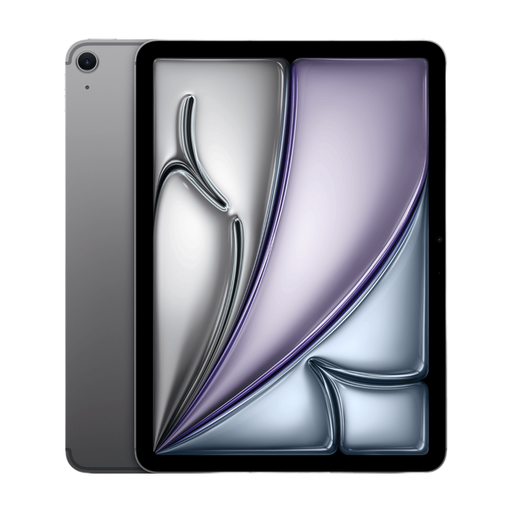
The 11-inch iPad Air (M4) is a pen-capable option for reading and annotating plans in a smaller format.
The Galaxy Tab S10+ offers a 12.4-inch Android display for people who want more room for drawings.
Surface Pro is a Windows 2-in-1 to consider when renovation work requires desktop applications or laptop-style input.
These pen-oriented tablets offer different screen sizes for reviewing and marking up renovation plans while travelling. Check your planning apps and offline file workflow before choosing one.
 No image available
Consider this smaller tablet if you mainly review plans and annotate them on the move. Apple lists the 11-inch Wi-Fi model at 464 g and specifies Apple Pencil support; a compatible pencil is a separate addition. Check that your planning apps let you work with downloaded files during the journey.
 No image available
Consider the larger display if viewing and marking up drawings matters more than a compact setup. The product name specifies a 12.7-inch 2K display, an included stylus, 256GB storage and dual-SIM 4G LTE. Check the fit of your planning apps, the space you need to use the tablet on a train and the service requirements for mobile connectivity.
 No image available
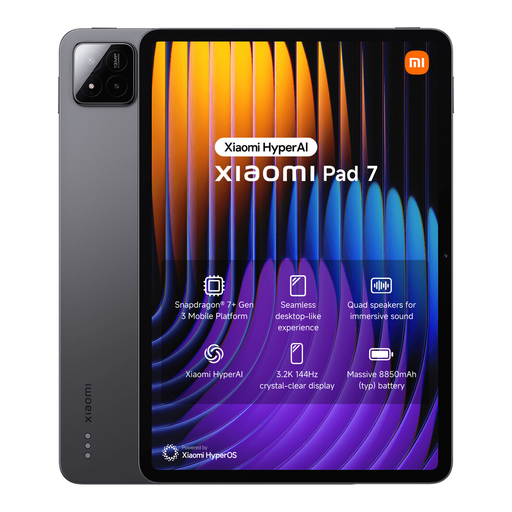
This is an option for handwritten project notes if its pen works with the apps you use. The product name identifies an included Focus Pen and 8GB RAM with 128GB storage. Check pen behaviour in your plan-mark-up apps and whether those apps make your files available offline.
No: Network Rail’s information concerns participating managed stations, not the whole journey. It says speeds can fluctuate and service availability is not guaranteed, so download the plans and reference files you need before boarding.
Use secure account access and avoid sharing sensitive information unnecessarily over public Wi-Fi. Network Rail describes its station Wi-Fi as unsecured, while the National Cyber Security Centre warns that attackers on an insecure network may intercept or modify data. Work from downloaded files where practical.
Not necessarily: a Wi-Fi tablet may suit you if your files work offline or occasional phone tethering meets your needs. If you regularly need live access away from Wi-Fi, check mobile coverage, the appropriate tablet configuration and its data-plan requirements.
Check the pen, keyboard, case and charging equipment you need against the exact configuration. Apple lists iPad Air pencils and Magic Keyboard separately; Microsoft says the Surface Pro keyboard and Slim Pen are separate; Samsung lists an S Pen and USB-C cable, but no travel adapter, with its Galaxy Tab S10+ package.