Map-detail readers
If you regularly inspect atlas pages, diagrams or small map labels, you need to judge whether a page remains readable without constant zooming. A sample page will tell you more about your own books than screen size alone.


If you will mainly hold the tablet on a coach, start with a model around 11 inches and try a sample map page at a comfortable reading distance. A larger screen may suit detailed maps if you can support the tablet safely, but check offline access and annotation accessories before choosing; if reading in motion makes you feel sick, changing tablet size is not the answer.
If you regularly inspect atlas pages, diagrams or small map labels, you need to judge whether a page remains readable without constant zooming. A sample page will tell you more about your own books than screen size alone.
If you expect to hold the tablet rather than rest it on a stable surface, consider its size and weight together. A larger page view is less useful if the device becomes awkward to handle in your seat.
If your books or course files need to work between stops, check whether your reading app permits downloads. That determines whether a Wi-Fi model prepared before departure meets your needs or mobile data matters during the journey.
Decide how you will hold the tablet and test a representative map page first. Then check access to your books away from Wi-Fi and what you need for annotations.
| Concern | What to check | Who this matters to |
|---|---|---|
| Map legibility | Open a page from your book at normal reading distance. Compare display size and resolution without assuming either alone determines readability. | I want to make out small labels and diagrams without repeatedly enlarging the page; around 27% of consumers would put map legibility first. |
| Handling in motion | Compare the exact model's weight and try holding it as you would in your seat. If reading makes you feel sick, stop using the screen. | Holding a tablet for much of the journey needs to feel manageable, and I may need to put it away if motion sickness starts; around 33% of consumers would prioritise travel comfort and tolerance. |
| Access away from Wi-Fi | Confirm that your book app supports your files and permits offline downloads. If considering cellular, check the device and mobile plan against your intended network. | I need course books ready to open even when the coach has no usable Wi-Fi; for around 20% of consumers, dependable access would be the main concern. |
| Annotations and accessories | Check pen compatibility and what the exact bundle includes, particularly the stylus and charging adapter. | Marking maps or writing notes matters more to me than simply turning pages; around 20% of consumers would make the annotation setup their first priority. |
A bigger page view comes with a bigger device. Apple specifies 464 g for its 11-inch iPad Air Wi-Fi model and 616 g for the cited 13-inch Wi-Fi model, a difference worth considering for hand-held reading.
Try a representative map or PDF on each size, then consider whether you can hold or support the larger tablet comfortably in your coach seat.
Screen specifications do not remove the difficulty of reading in a moving vehicle. NHS guidance advises against reading or using an electronic device when you have motion sickness.
If symptoms begin, put the tablet away and look ahead. Consider an audio or other non-screen option for parts of the journey when reading is uncomfortable.
Having stylus support does not establish that a pen is included with the configuration you are buying. Apple lists compatible Apple Pencil models separately for iPad Air; Samsung lists an S Pen with its cited Galaxy Tab S10 FE+ configuration but says a travel adapter is not included.
Check the contents of the exact tablet bundle, along with your book app's annotation features, before planning to write on map pages.
The cited iPad Air range offers 11-inch and 13-inch options, giving readers a choice between a smaller device to hold and more display area for map pages.
The cited Galaxy Tab S10 FE products offer a 10.9-inch Android option for readers considering map viewing and handwritten notes.
Lenovo's cited Tab Plus configuration has an 11.5-inch display and a built-in kickstand, making it worth considering if you can rest the tablet securely rather than hold it throughout the journey.
These tablets cover smaller devices to consider for hand-held reading, as well as a larger option for map pages. Before choosing one, confirm that your geography-book app supports the tablet and allows the offline access you need.
 No image available
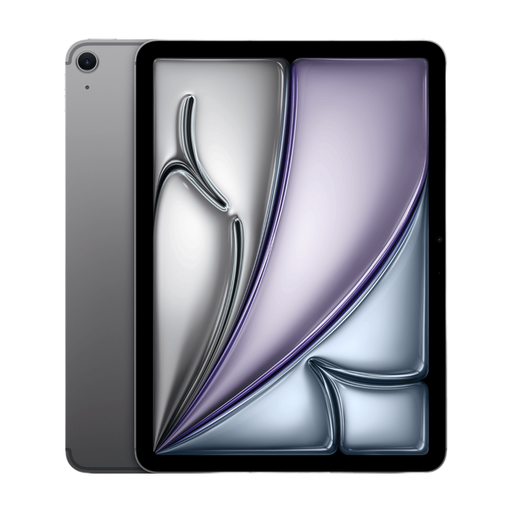
Consider the 11-inch format if you expect to hold the tablet while reading. This is the M4 Wi-Fi configuration with 128GB storage; check that your books can be downloaded for the journey and that your annotation app supports any Apple Pencil you intend to use.
 No image available
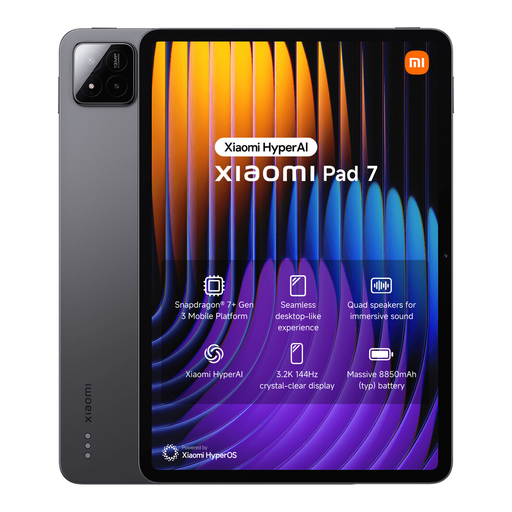
If you want to annotate geography pages, this configuration names a Focus Pen as included. It lists 8GB RAM and 128GB storage; check the bundle contents, book-app compatibility and how the tablet feels to hold before choosing it for coach travel.
 No image available
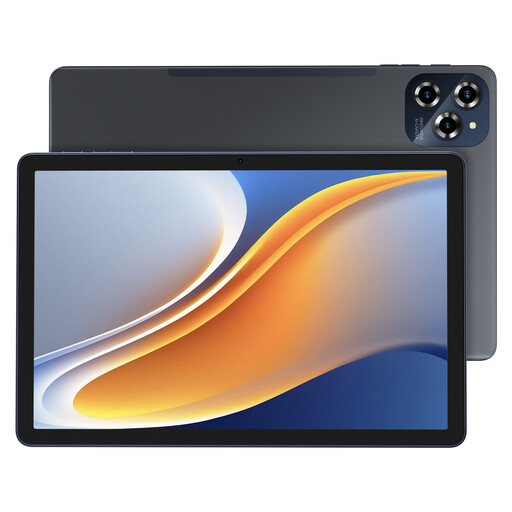
Consider this 11-inch model if mobile data access is important alongside downloaded books. The title lists Android 16, dual 4G SIM support and 256GB storage; confirm UK network-band compatibility with your intended operator, and check the exact battery specification rather than relying on conflicting capacity figures.
 No image available
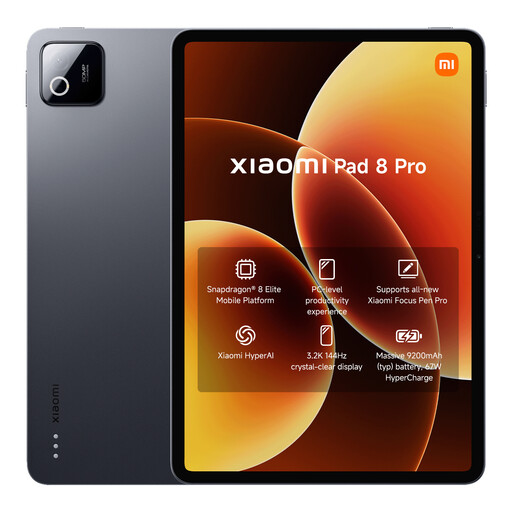
The 512GB configuration may be worth considering if you plan to keep many books or reference files on the device. It lists 12GB RAM; check whether your reading app permits downloads, whether the tablet is comfortable to hold and which pen accessories you would need.
 No image available
Consider the 12.7-inch format if viewing larger map pages matters more than holding the tablet throughout the journey. This version names a 2K display, 256GB storage, an included stylus and dual-SIM 4G LTE; check its handling in a coach seat and confirm network-band compatibility before relying on mobile data.
Choose around 11 inches if you will mainly hold the tablet; consider 13 inches if detailed maps benefit from the extra display area and you can support it safely. Apple specifies 464 g for its cited 11-inch iPad Air Wi-Fi model and 616 g for the 13-inch Wi-Fi model, so try a sample page and consider handling as well as legibility.
A Wi-Fi tablet can be enough if your book app permits downloads and you prepare the required files before leaving. If you need to retrieve material during the journey, consider a cellular-capable model, but check its network compatibility and mobile data arrangement; Apple says its Wi-Fi + Cellular iPads can connect through a mobile data plan when Wi-Fi is unavailable.
A different tablet is not a remedy for motion sickness caused by reading in transit. NHS guidance advises against reading or using electronic devices when you have motion sickness and recommends looking ahead at a fixed point, such as the horizon.
You do not need a stylus just to read pages, but it may matter if your book app supports the handwritten annotations you want to make. Check the app and exact bundle: Apple lists compatible Apple Pencil models separately for iPad Air, while Samsung lists an S Pen with its cited Galaxy Tab S10 FE+ purchase configuration.